

People with disability are dying from cancers we can actually prevent, our study shows
- Written by: Yi Yang, Research Fellow, Social Epidemiology, Melbourne Disability Institute, Melbourne School of Population and Global Health, The University of Melbourne
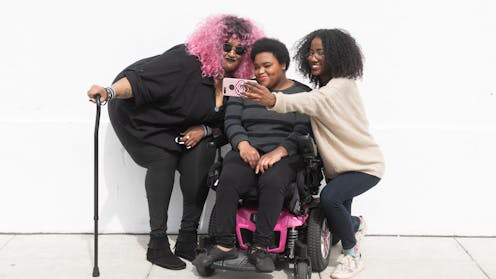
People with disability are missing out on screening programs that could help detect cancer early, and after diagnosis, are less likely to survive, our study shows.
Overall, this means people with disability are more likely to die from cancer than people without disability.
We draw together evidence showing the striking inequity at the heart of current approaches to controlling cancer.
But there are ways to improve access to the types of screening programs and cancer services many people without disability use routinely.
What we did and what we found
We reviewed evidence from 73 studies from around the world. These studies compared cancer outcomes in people with disability to those without.
Let’s start with cancer screening, one way to prevent deaths from cancer. Screening picks up early signs of cancer or can prevent it from developing into a problem if found early enough. Early detection usually means more treatment options and higher chances of a good outcome.
However, our review found people with disability are missing out on these life-saving screening programs all around the world, including for breast, cervical and bowel cancer.
In fact, some studies in our review showed these cancers are more likely to be diagnosed at an advanced stage in people with disability.
Once diagnosed, people with disability are still at a disadvantage. We found lower survival rates than cancer patients without disability.
This could be because of delayed diagnosis and inaccessible treatment, and we’d need further research to be sure. But we do have relevant evidence from some studies.
A UK study of cancer deaths in people with intellectual disability found more than a third had their cancer diagnosed after going to the emergency department. Almost half of the cancers in the study were already at an advanced stage when diagnosed.
Another review of global evidence found cancer patients with disability receive poorer quality cancer care. This included delays in treatment, being undertreated or having excessively invasive treatment. People with disability also had less access to in-hospital services and pain medication.
From diagnosis to treatment, global evidence shows people with disability are being excluded from health services that many people without disability routinely access and benefit from.
The situation is no different in Australia and it is costing lives.
In previous work, we found cancer is a leading cause of earlier deaths among Australians with disability. It’s the cause of about 20% of the extra deaths we see in people with disability compared to people without.
Why is this happening?
We clearly need to do more to improve health care for people with disability. But we also need to take action in other areas to address underlying issues.
People with disability are more likely to be poor and live in disadvantaged circumstances than the rest of the Australian population, which may put them at higher risk of cancer.
Many factors that cause cancer – for example, smoking, unaffordable healthy food, and drinking high levels of alcohol – disproportionately impact disadvantaged groups, including people with disability.
Many people with disability live with additional health conditions, which can lead to a lack of attention to routine issues. This can result in cancer screening and routine care becoming less of a priority.
Buildings where services are provided and medical diagnostic equipment is located are not always accessible for people with disability.
The health system itself can be inaccessible, with little support to help people with disability access services. For instance, navigating cancer care can be overwhelming, especially for people who need support for daily activities, transport or communication.
People with disability, especially with intellectual disability, need extra time and support to give informed consent to screening, treatment or procedures – resources and time particularly overstretched in public health systems.
People with disability can also experience both direct and indirect discrimination in health care, which lead to poorer outcomes. This includes discriminatory attitudes towards people with disability and their carers, and making assumptions about a patient based on their disability.

What can we do about it?
For cancer control to be inclusive and work for people with disability, we need to look at:
prevention – public health interventions, such as quit smoking or healthy lifestyle programs, need to be co-designed with and tailored to people with disability
early detection – national screening programs must develop strategies and take active steps to include people with disability. Clinics need to be physically accessible, information needs to be available in a range of accessible formats, and extra time needs to be allocated to get genuine informed consent
ensuring people with disability have a voice – cancer care needs to be tailored to an individual person, as everyone’s needs are different. We need to support and include people with disability in conversations about their care so they can make informed decisions. This means providing information in ways that work for them, and allowing time to understand and ask questions
training health professionals to understand and respond to the needs of people with disability and make the adjustments required for optimal cancer care, particularly for people with an intellectual disability.
Authors: Yi Yang, Research Fellow, Social Epidemiology, Melbourne Disability Institute, Melbourne School of Population and Global Health, The University of Melbourne


















