

My shins hurt after running. Could it be shin splints?
- Written by: Krissy Kendall, Senior Lecturer in Exercise and Sports Science, Edith Cowan University
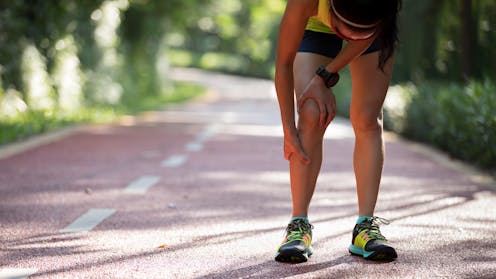
If you’ve started running for the first time, started again after a break, or your workout is more intense, you might have felt it. A dull, nagging ache down your shins after you exercise.
Should you push through? Or could it be the sign of something more serious?
Shin splints are one of the most common and preventable injuries among runners, whether new or seasoned.
The good news is they can usually be treated effectively in a few weeks. But it’s important to recognise when to take a break. Knowing the simple ways to treat and prevent shin splints can prevent a more serious injury, and get you back on track faster.
What are shin splints?
Shin splints, medically known as medial tibial stress syndrome, are a common overuse injury.
They cause pain along the inner border of the tibia (shinbone), usually triggered by repetitive stress on the lower leg. Your leg may also feel tender or swell.
Shin splints are a type of periostitis, which means inflammation of the tissue lining the bone. The pain often fades with rest but quickly returns once activity resumes.
This kind of injury is especially common in sports such as football, rugby, and track and field, affecting between 4% and 35% of athletes, and up to 20% of runners. It can also affect dancers and military recruits.
What puts you at risk?
Shin splints can appear soon after sudden changes to your physical activity or exercise routine.
For example, you may have started exercising more often or for longer, or more intensely (such as running uphill or for longer distances).
A variety of factors can add fuel to the fire. They generally fall into two types:
Aside from sudden spikes in training, activity-related risks include playing sport or running on hard surfaces or exercising in poorly designed shoes. For example, studies of soldiers have shown exercising in unsuitable or worn-out boots increases their risk of overuse injuries in the lower legs, including shin splints.
Diet may make a difference, too. There is evidence not eating enough calcium can make you more susceptible to shin splints. A vitamin D deficiency may also contribute, since it’s vital for calcium absorption.
Biomechanical risks can include a higher body mass index (BMI), having one leg longer than the other, tight calf muscles or flat feet (low or unusually inflexible arches).
If your feet roll in too much when you walk or run – often called flat feet or fallen arches – you’re also more susceptible.
While some studies suggest female athletes may experience shin splints more often than males, we need more research to fully understand why.
In short, shin splints aren’t just a bone issue. They reflect a complex mismatch between how much or hard you train and how your body tries (and sometimes fails) to adapt.
How can I tell if it’s something worse?
Shin splints are typically less severe than a stress fracture. This is a small crack in the bone caused by repeated impact or overuse, and usually requires a longer recovery period.
A stress fracture often causes sharp, localised pain that worsens with activity and may even hurt at rest or when touched.
A simple test can help you decide whether to seek additional advice: if you are unable to hop on one leg about ten times without sharp pain, it’s time to talk to a physio, sports doctor or podiatrist.
They can assess your symptoms and suggest treatment options. Imaging such as an x-ray or MRI may be used to rule out more serious conditions.
Treatment: rest, rehab, and return
The first and most important treatment is rest. Usually, shin splints resolve over three to four weeks. Continuing to train during the healing process will only prolong recovery and increase the risk of more serious injury.
Other effective strategies include:
You’ll want to be pain-free for at least three weeks before gradually resuming your exercise routine.
When returning, go slow and build up the amount and intensity of exercise gradually.
Prevention is the best treatment
Preventing shin splints is all about balance and preparation. Here are some evidence-based tips:
Strengthening your lower leg muscles can prevent further injury.Authors: Krissy Kendall, Senior Lecturer in Exercise and Sports Science, Edith Cowan University
Read more https://theconversation.com/my-shins-hurt-after-running-could-it-be-shin-splints-259370


















