
Modern Australian
The Times

Is Australia becoming a more violent country?

  • Written by Samara McPhedran, Principal Research Fellow, Violence Research and Prevention Program, Griffith University

Almost every day, it seems we read or hear reports another family is grieving the murder of a loved one in a street brawl, another business owner is hospitalised after trying to fend off armed robbers, or shoppers simply going about their business are confronted by knife-wielding thugs.

The way media and politicians talk, it seems as if we are in the middle of an unprecedented violent crime crisis.

But are we?

The short answer is: no.

Comparing today with the past

Although the numbers fluctuate from year to year, Australia is less violent today than in previous years.

It is difficult to make direct comparisons over decades, because the way crimes are defined and recorded changes (especially for assault).

Weapons and violence are rarely out of the media cycle in Australia, leading many to fear this country is becoming less safe for everyday people. Is that really the case, though? This is the first story in a four-part series. For crimes like domestic violence, the statistics are extremely hard to compare over time but even so, prevalence appears to have declined (although only about half of all women who experience physical and/or sexual violence from their partners seek advice or support). However, if we consider homicide and robbery (which have been categorised much the same way over time), the numbers have been falling for decades. Yes, knives and bladed weapons have been in the news recently, but this does not mean they are being used more often. Reliable, long-term statistics are not always available but the ones we have show the use of weapons has declined over time. Interestingly, this seems to have nothing to do with the weapons themselves. For instance, armed robbery and unarmed robbery both rise and fall in about the same way, at about the same time. Homicide follows a similar pattern. Not all crimes are reported to police but self-reported statistics show the same trends. Relative to ten years ago, Australians now are less likely to say they have experienced physical or threatened face-to-face assault in the previous 12 months. Places with greater socioeconomic disadvantage typically experience more violence. In Queensland, for instance, Mt Isa has higher violent crime rates than affluent areas of Brisbane. Despite differences between places, there is generally less violence than there used to be. Why is violence declining? Nobody knows quite why violence is decreasing. This is not just happening in Australia but across many developed nations. Suggestions include better social welfare, strong economies, improved education, low unemployment, women’s rights and stable governance. Also, new avenues have opened up that carry less risk than violent crime – such as cyberfraud instead of robbing a bank. There is no clear, compelling explanation. Yet when we consider Australia’s responses when violence does occur, measures such as bans (for example, on machetes), more police powers and more (or longer) prison sentences have become the fallback. Evidence shows these types of reactions achieve little, but in an environment of endless “crisis” it is almost impossible to make good decisions. This is made even harder in circumstances where victims and activists push politicians to implement “feel-good” policies, regardless of how ultimately fruitless those will be. Who are the people being violent? One thing remains the same: violent crime is primarily committed by younger men (who are also likely to be victims). Ethnicity and migration are also recurrent themes. Just as young Italians with switchblades were the focus of moral panic in the 1950s and 60s, migrants from places such as Africa and the Middle East are now held up as a danger. Ethnicity/migration history data is not always recorded in crime statistics, but the information we do have suggests a more complex picture. Factors such as exposure to warfare and civil strife can certainly play a role in people’s use of violence. However, unemployment, poverty, poor education and involvement with drugs and/or gangs tend to play a much larger part. Reactions versus reality If society is less violent, why are public reactions to violence seemingly becoming more intense? Incidents that would have received little attention a decade ago now dominate public debate and single incidents – no matter how rare or isolated – are enough to provoke sweeping legislative and policy changes. Violence is political currency. The more the spectre of violence is emphasised and exaggerated, the more power people are willing to give to authorities to do something to fix it. This is also about psychology: the better things get, the more sensitive people tend to be to whatever ills remain and resilience can crumble when something bad does happen. Pandering to this by rushing to make people feel safer – while politically irresistible – has unintended consequences. When another incident occurs, as it always does, people feel even more vulnerable because they were led to believe the problem had been “fixed”. This creates a never-ending cycle of superficial responses while underlying issues are ignored. We cannot legislate or politicise our way out of violence. The best responses are ones that identify and address actual root causes and look at the circumstances that surround violence – rather than fixating on the violence itself. This means moving away from emotional reactions and taking a clear look at why violence occurs in the first place. Until this happens, any further reductions in violence are more likely to be good luck than good management.

Authors: Samara McPhedran, Principal Research Fellow, Violence Research and Prevention Program, Griffith University

Read more https://theconversation.com/is-australia-becoming-a-more-violent-country-260102

Sunshine Coast Baby Classes Prove Big Hit Among First-Time Mums

There's a movement gaining traction on the Sunshine Coast, providing a village of support, socialisation and relief for first-time mothers and babie...

Father's Day Gift Ideas for Men Who Are Hard to Buy For

Some dads are easy to buy for. Others do not want anything, already have everything, or give you the classic "don't worry about me" answer every yea...

Top 5 Mistakes That Wear Out Your Brakes Faster

Brakes don't need frequent replacements like oil changes do.   But a lot of the wear happens quietly, over months, because of habits most drivers...

Plantation Shutters vs Curtains: Which Is Better for Your New Home?

Moving into a new home is an exciting opportunity to personalise your space and make it your own. While many homeowners focus on furniture, flooring...

Celebration of Life vs Traditional Funeral: What's the Difference?

When saying goodbye to someone you love, there is no single way to honour their life. Every family has different traditions, beliefs, and preference...

Building Approval for Roofing Projects: What Homeowners Need to Know

Roofing projects are an important part of maintaining and protecting your home. Whether you're repairing storm damage, replacing an ageing roof, or ...

Chatswood Tutoring And Its Role In Academic Achievement

Academic success often requires more than classroom attendance alone. Students face increasing expectations as they progress through school, particu...

Why Laser Hair Removal Treatments Continue Growing In Popularity

Managing unwanted hair can become time-consuming and frustrating for many people, especially when shaving, waxing, and other temporary methods requi...

Choosing the Right Devices for a Flexible Workplace

For IT leaders managing large fleets, the device layer is where workforce productivity and security policy meet. The shift towards flexible and hybrid...

How Business Advisory Services Help Companies Achieve Sustainable Growth

Every business owner aims to build a profitable and sustainable organisation. While dedication, innovation, and hard work are important, achieving l...

Why Body Contouring Has Become A Popular Cosmetic Treatment

Many people maintain healthy lifestyles through regular exercise and balanced eating habits but still struggle with stubborn areas of fat that are d...

How to Choose the Right POS Hardware for Your Business in Australia

A lot of Australian business owners spend weeks researching POS software but buy hardware almost as an afterthought. That's a mistake. The wrong har...

Why Material Handling Hose Is Critical for Industrial Efficiency

A high-performance material handling hose is an essential component in industries that transport abrasive, dry, or bulk materials on a daily basis...

How to Choose the Right Lawyer in Melbourne for Your Situation

Choosing legal support can feel difficult, especially when the stakes are personal or business-related. The right lawyer in Melbourne should underst...

Hoteliers Look to Clever Value Adds to Increase Revenue

The Australian hospitality industry is still in recovery mode after a notoriously rough patch in recent years. While there has been a post-COVID tra...
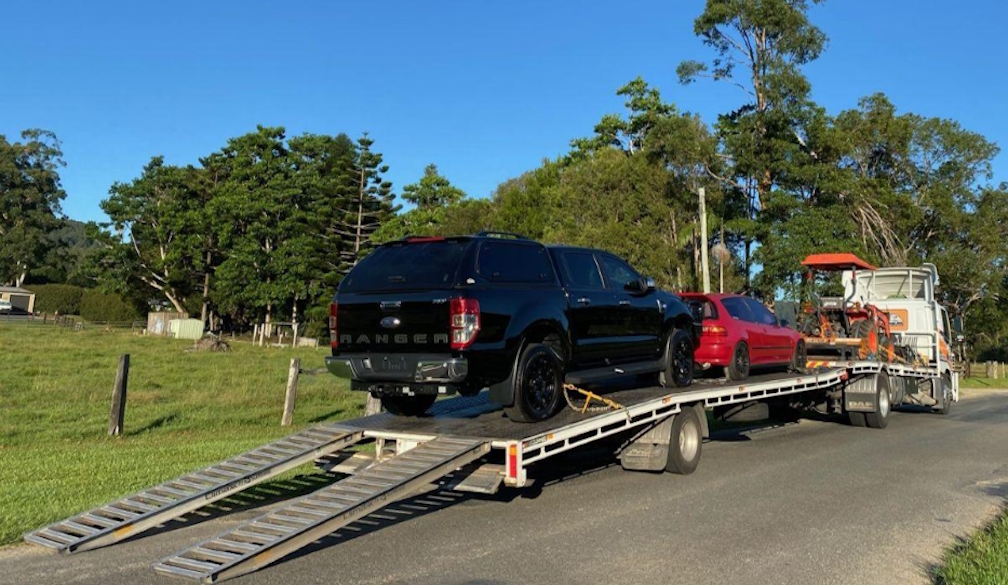
Moving to Queensland? Here’s How to Prep Your Car for the Big Move North

There’s no sign of the northern migration slowing down, with thousands of southerners fleeing from chaotic lifestyles and cooler climates for a brig...
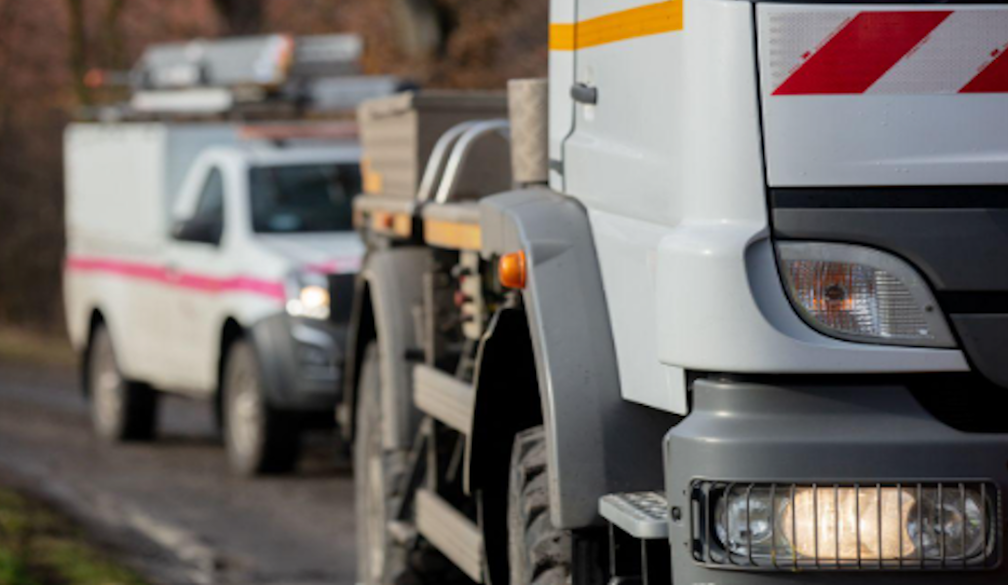
Diesel Shortage to Impact Trades and Contractors

Strait of Hormuz blockage affecting all major parts of trades and construction Trades and construction across residential, commercial and industria...

Why Holiday Home Owners Turn to Rental Management Agents

The Allure — and the Reality — of Renting Out Your Property Owning a holiday home is a dream for many Australians. Whether it's a beachside sha...

