

We’re not minimising the cost of the net zero transition. These reforms will help
- Written by: Catherine de Fontenay, Honorary Fellow, Department of Economics, The University of Melbourne
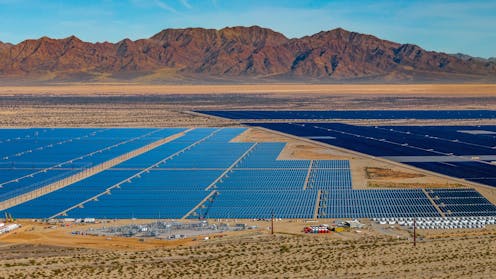
Getting our response to climate change right will be crucial to getting Australia back on the path to productivity growth.
With the right policy settings, we can limit the costs of decarbonising and speed up approvals to unlock the opportunities of cheaper, more abundant clean energy. We can also improve housing to be more resilient to the effects of climate change.
Achieving deeper cuts to emissions as we address the more difficult decarbonisation challenges in the economy will inevitably bring costs. So too will responding to the impacts of climate change.
The government can minimise these costs through carefully designed policies. This is a key theme of the Productivity Commission’s interim report on Investing in cheaper, cleaner energy and net zero transformation. This is the second of five reports due out ahead of Treasurer Jim Chalmers’ reform roundtable later this month.
To achieve net zero along with good productivity outcomes, Australia needs consistent and comprehensive incentives to reduce emissions.
Governments need to address the gaps and overlaps in incentives for emissions reduction. And incentives need to back the lowest-cost solutions, regardless of technology.
The top priorities
Several priorities stand out. First, the electricity sector needs enduring, broad-based market settings that drive emissions reductions beyond 2030. The currentreview into the National Electricity Market is a chance to design settings that ensure long-term certainty for investors in renewable energy and firming.
Second, the Safeguard Mechanism, which aims to reduce emissions from Australia’s biggest greenhouse-gas polluters, should be broadened to cover more industrial facilities. This was recommended in the Productivity Commission’s 2023 Advancing Prosperity report.
Third, we need a new policy that gives heavy vehicle users an incentive to cut emissions. These policies should be technology-neutral. This would allow users to choose the cheapest way to reduce their emissions as different technologies develop.
Faster approvals would make energy cheaper
The slow pace of energy infrastructure development is a major barrier to achieving net zero at the lowest cost.
To meet renewable energy targets and ensure a reliable supply of energy, Australia needs to install a large amount of clean energy infrastructure. But currently it can take many years to get approvals to build projects such as wind farms.
Delays in approvals and regulatory processes increase costs for developers, deter investment, and slow the transition to cleaner energy. Faster assessment approvals would not only reduce emissions but also make energy more affordable and support productivity growth.
Governments can accelerate infrastructure development without compromising environmental outcomes.
Overhaul environmental laws
Our national environmental laws, which are slowing down vital approvals without effectively protecting the environment, are long overdue for reform. These reforms should include:
- introducing national environmental standards
- making environmental offsets more efficient
- clearer requirements for engagement with local communities.
These changes would streamline processes while better protecting the environment. Many of these reforms were proposed in Graeme Samuel’s 2020 review of the Environment Protection and Biodiversity Conservation Act, and they remain crucial.
In addition, the law should be amended to allow decision-makers under the Environment Protection Act to consider whether an energy project is a priority for Australia’s clean energy transition.
We also need to ensure assessment of high-priority energy projects is adequately resourced. A specialist “strike team” within the Department of Climate Change, Energy, the Environment and Water, with strong clean energy expertise, should be dedicated to these projects.
Our Productivity Commission report recommends appointing an independent coordinator-general to break through roadblocks and keep approvals on track.
Rethinking housing in an era of climate change
Australia must also prepare for the impacts of climate change that are already unavoidable. Climate-related risks are significant and growing. Boosting resilience to these dangers can reduce the human impacts and financial costs of disaster recovery.
Homeowners need better information about the climate resilience of a house. A publicly accessible database of climate hazards would help, as would a star rating system based on how vulnerable homes are to climate risks. Homeowners also need clear guidance on how to improve the climate resilience of their home.
All levels of government have a stake in this. They should work together to agree on quantifiable goals for improving housing resilience over the coming decades, and targeted policies to achieve those goals.
Australia’s net zero and climate resilience challenges require thoughtful and coordinated action.
By designing efficient policies, speeding up infrastructure development and supporting private investment in resilience, governments can reduce unnecessary costs, maximise productivity growth and improve the wellbeing of all Australians.
This article was coauthored with Productivity Commissioners Martin Stokie and Barry Sterland.
Authors: Catherine de Fontenay, Honorary Fellow, Department of Economics, The University of Melbourne


















