From sea ice to ocean currents, Antarctica is now undergoing abrupt changes – and we’ll all feel them
- Written by Nerilie Abram, Chief Scientist, Australian Antarctic Division and Professor of Climate Science, Australian National University
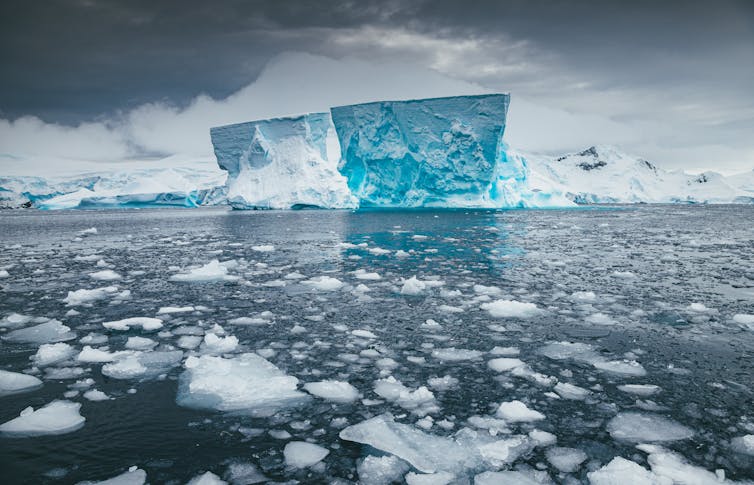
Antarctica has long been seen as a remote, unchanging environment. Not any more.
The ice-covered continent and the surrounding Southern Ocean are undergoing abrupt and alarming changes. Sea ice is shrinking rapidly, the floating glaciers known as ice shelves are melting faster, the ice sheets carpeting the continent are approaching tipping points and vital ocean currents show signs of slowing down.
Published today in Nature, our new research shows these abrupt changes are already underway – and likely to significantly intensify in the future.
Several authors of this article have witnessed these startling changes during fieldwork on the ice. These changes spell bad news for wildlife, both iconic and lesser known. But the changes will reach much further. What’s happening in Antarctica right now will affect the world for generations to come, from rising sea levels to extreme changes in the climate system.
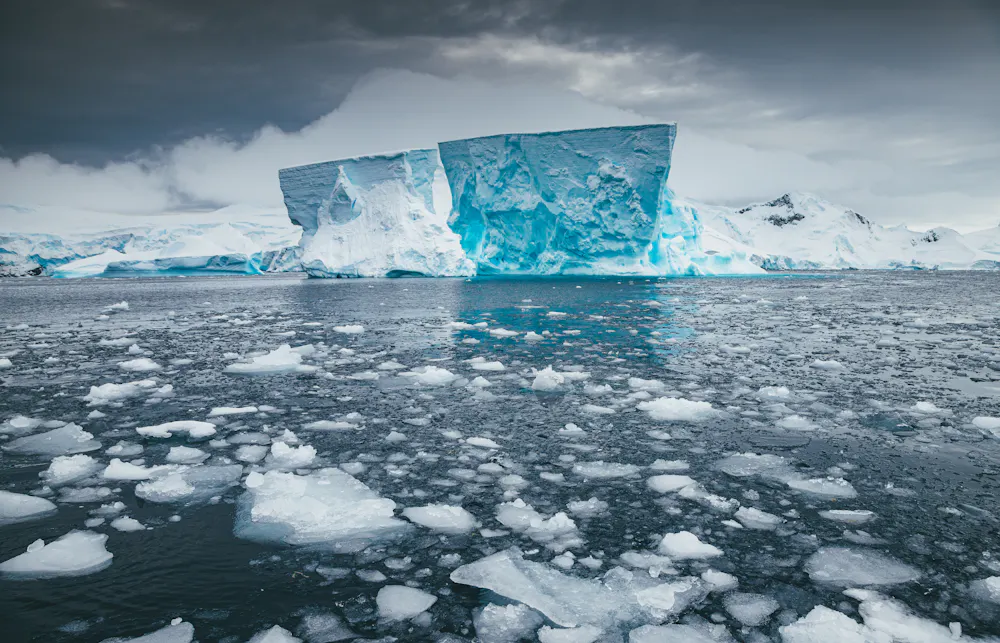
What is an abrupt change?
Scientists define an abrupt change as a climatic or environmental shift taking place much faster than expected.
What makes abrupt changes so concerning is they can amplify themselves. For example, melting sea ice allows oceans to warm more rapidly, which melts more sea ice. Once triggered, they can be difficult or even impossible to reverse on timescales meaningful to humans.
While it’s common to assume incremental warming will translate to gradual change, we’re seeing something very different in Antarctica. Over past decades, the Antarctic environment had a much more muted response overall to human-caused climate warming compared to the Arctic. But about a decade ago, abrupt changes began to occur.
Shrinking sea ice brings cascading change
Antarctica’s natural systems are tightly interwoven. When one system is thrown out of balance, it can trigger cascading effects in others.
Sea ice around Antarctica has been declining dramatically since 2014. The expanse of sea ice is now shrinking at double the rate of Arctic sea ice. We found these unfolding changes are unprecedented – far outside the natural variability of past centuries.
The implications are far reaching. Sea ice has a reflective, high-albedo surface which reflects heat back to space. When there’s less sea ice, more heat is absorbed by darker oceans. Emperor penguins and other species reliant on sea ice for habitat and breeding face real threats. Less sea ice also means Antarctica’s ice shelves are more exposed to waves.

Vital ocean currents are slowing
The melting of ice is actually slowing down the deep ocean circulation around Antarctica. This system of deep currents, known as the Antarctic Overturning Circulation, plays a critical role in regulating Earth’s climate by absorbing carbon dioxide and distributing heat.
In the northern hemisphere, the Atlantic Meridional Overturning Circulation is facing a slowdown.
We’re now observing a similar risk in Southern Ocean currents. Changes to the Antarctic Overturning Circulation may unfold at twice the rate of the more famous North Atlantic counterpart.
A slowdown could reduce how much oxygen and carbon dioxide the ocean absorbs and leave vital nutrients at the seafloor. Less oxygen and fewer nutrients would have major consequences for marine ecosystems and climate regulation.
Melting giants
The West Antarctic Ice Sheet as well as some regions of East Antarctica are now losing ice and contributing to sea level rise. Ice loss has increased sixfold since the 1990s.
The West Antarctic Ice Sheet alone has enough ice to raise global sea levels by more than five metres – and scientists warn we could be nearing the point where this ice sheet could collapse even without substantial further warming, though this might take centuries to millennia.
These enormous ice sheets represent the risk of a global tipping point. They contribute the greatest uncertainty to projections of future sea level rise because we don’t know just how quickly they could collapse.
Worldwide, at least 750 million people live in low-lying areas near the sea. Rising sea levels threaten coastal infrastructure and communities globally.
Wildlife and ecosystems under threat
Antarctica’s biological systems are also undergoing sudden shifts. Ecosystems both under the sea and on land are being reshaped by warming temperatures, unreliable ice conditions and human activity bringing pollution and the arrival of invasive species.
It’s essential to protect these ecosystems through the Antarctic Treaty, including creating protected areas of land and sea and restricting some human activities. But these conservation measures won’t be enough to ensure emperor penguins and leopard seals survive. That will require decisive global action to reduce greenhouse gas emissions.
Which future?
Antarctica is often seen as a symbol of isolation and permanence. But the continent is now changing with disturbing speed – much faster than scientists anticipated.
These abrupt changes stem largely from the extra heat trapped by decades of unchecked greenhouse gas emissions. The only way to avoid further abrupt changes is to slash emissions rapidly enough to hold warming as close to 1.5°C as possible.
Even if we achieve this, much change has already been set in motion. Governments, businesses and coastal communities must prepare for a future of abrupt change. What happens in Antarctica won’t stay there.
The stakes could not be higher. The choices made now will determine whether we face a future of worsening impacts and irreversible change or one of managed resilience to the changes already locked in.
Authors: Nerilie Abram, Chief Scientist, Australian Antarctic Division and Professor of Climate Science, Australian National University