
Google AI


Modern Australian

Sharks now roam the open ocean. But for 200 million years, they only lived near the sea floor

  • Written by: Joel Gayford, PhD Candidate, Department of Marine Biology, James Cook University
Sharks now roam the open ocean. But for 200 million years, they only lived near the sea floor

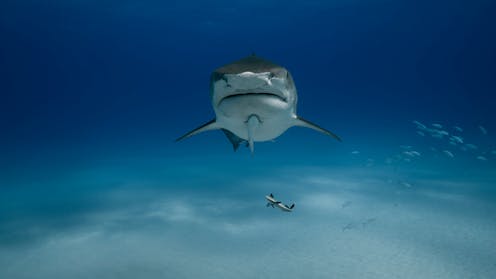
When you picture a shark, you probably think of a large, powerful predator cruising the open ocean.

Species such as the great white shark, tiger shark and bull shark dominate popular media, with stories of rare and isolated cases of attacks on humans (such as the tragic death of surfer Mercury Psillakis last Saturday on Sydney’s northern beaches) instilling a widespread fear of sharks in the public, and influencing government policy. For example, the expanding use of shark nets and other “control equipment” across Australia.

While these three species are certainly charismatic predators, they represent less than 0.6% of living sharks. The more than 500 species of living sharks exhibit an astounding diversity of shapes and sizes, from giant 20-metre-long whale sharks to phone-sized bioluminescent lanternsharks, flattened angel sharks, hammerheads, sawsharks, goblin sharks and wobbegongs.

But how did sharks become so diverse? A new study I led investigated the evolution of body shape in sharks from their ancient ancestors more than 400 million years ago, all the way to the present day.

A time before the dinosaurs

The huge variation in body shapes we see today did not appear overnight – the shark lineage traces back to a time before the dinosaurs.

Scientists often use fossils to recreate shifts in body shape and size across the evolutionary tree of different animal groups. Unfortunately, we can’t do the same thing with sharks.

That’s because shark skeletons are made of cartilage instead of bone. So unlike mammals, birds or reptiles, we don’t have many complete fossils of ancient sharks. Instead, we have loads and loads of isolated fossil teeth.

This means that, until now, scientists have known very little about how, when and why the huge diversity of shark body types we see today evolved.

Instead of using fossils, we collected information about body shape from scientific illustrations of more than 400 living shark species, and used a statistical method called ancestral state reconstruction to estimate the body shape of ancient sharks.

We also collected information about the habitats that different shark species prefer – and how environmental conditions have shifted since the emergence of the very first sharks.

Ancient sharks were bottom-dwellers

Our analyses suggest ancient sharks were probably benthic – meaning they lived on or close to the sea floor. Pelagic sharks that roamed the open ocean and resembled today’s large iconic predators such as great white, tiger or bull sharks, did not arise until the Jurassic period 145–201 million years ago, at the very earliest.

This means that, for the first half of their existence, sharks were restricted to habitats close to the sea floor.

Why? Interestingly, we found that three of the four times sharks have colonised the open ocean, there was a shift in body shape (including the evolution of a deeper body and more symmetrical tail) that occurred just before the shift in habitat.

The timing of these shifts also indicates historical climate change (including rising sea levels and tectonic shifts) may have played a crucial role in creating more pelagic habitats these sharks could have colonised.

This means that as the climate changed, so too did the habitats that ancient sharks inhabited, enabling the evolution of new body shapes. And it so happened that these deeper bodies with more symmetrical tails were better suited for open-water living.

A composite image of two small spotted sharks and a larger grey shark with a white underbelly.
Benthic shark body types with relatively shallow bodies and asymmetrical tails (above), and the pelagic shark body type with a relatively deep body and symmetrical tail (below). Species shown (left to right) are the small-spotted catshark (Scyliorhinus canicula) zebra shark (Stegostoma tigrinum), and the great white shark (Carcharodon carcharias). simonjpierce/iNaturalist; luispb/iNaturalist; Ken Bondy/iNaturalist, CC BY-NC-SA

Better understanding ancient ecosystems

By looking back in time at what ancient sharks looked like and how they might have lived, we can better understand how ancient ecosystems functioned, and predict how they may respond to future human-made climate change.

More broadly, these results showcase that not all sharks are the same. Most sharks – both ancient and living – are small and benthic, not large, dangerous apex predators.

So the next time you picture a shark, think not only of great whites and tigers, but also of the ancient bottom-dwellers that shaped the seas long before the first dinosaurs.

Authors: Joel Gayford, PhD Candidate, Department of Marine Biology, James Cook University

Read more https://theconversation.com/sharks-now-roam-the-open-ocean-but-for-200-million-years-they-only-lived-near-the-sea-floor-264265

Better Business Photos Without Misleading Customers: An Australian Guide

A timber dining set looks inviting against a sunny deck, with cushions, lanterns and enough chairs for the whole family. But imagine the retailer sell...

Understanding a dental implant Melbourne Treatment Plan

A dental implant Melbourne patients may consider is one option for replacing a missing tooth, but suitability depends on oral health, bone support a...

How 3PL Logistics Australia Supports Faster and More Efficient Supply Chains

Why Has 3PL Logistics Become Important for Growing Businesses?  Gone are the days when supply chains were simpler and in minimal quantity. Now, the...

Common Skin Concerns and Treatment Options Available in Melbourne

Skin concerns can develop gradually or become noticeable following changes in age, lifestyle, sun exposure or hormonal factors. Pigmentation, rednes...

Why a Code-Compliant Home Can Still Feel Uncomfortable

When people build or renovate a home, they usually expect that meeting current building requirements will also produce a comfortable place to live. ...

Breach of Contract in Business: What Are Your Options?

Contracts are essential to business relationships. They establish expectations, allocate responsibilities and provide a framework for delivering goods...

How Pest Control Companies Can Rank for the Problems Customers Search First

Introduction SEO for Pest Control needs to start with the customer’s problem. Most people do not search for pest services in a neat or technical wa...

What Are the Benefits of Renovating an Older Home in Sydney?

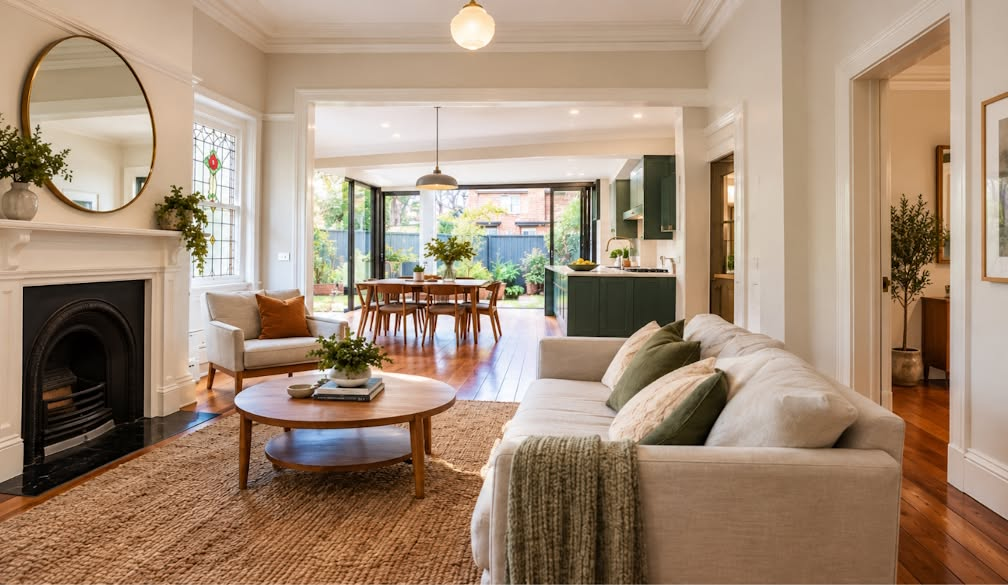
Sydney has plenty of character homes, from Federation cottages to mid-century brick homes. Renovating rather than rebuilding can preserve what makes t...

Pool and Deck Design: How to Plan the Perfect Outdoor Living Space for Your Sydney Home

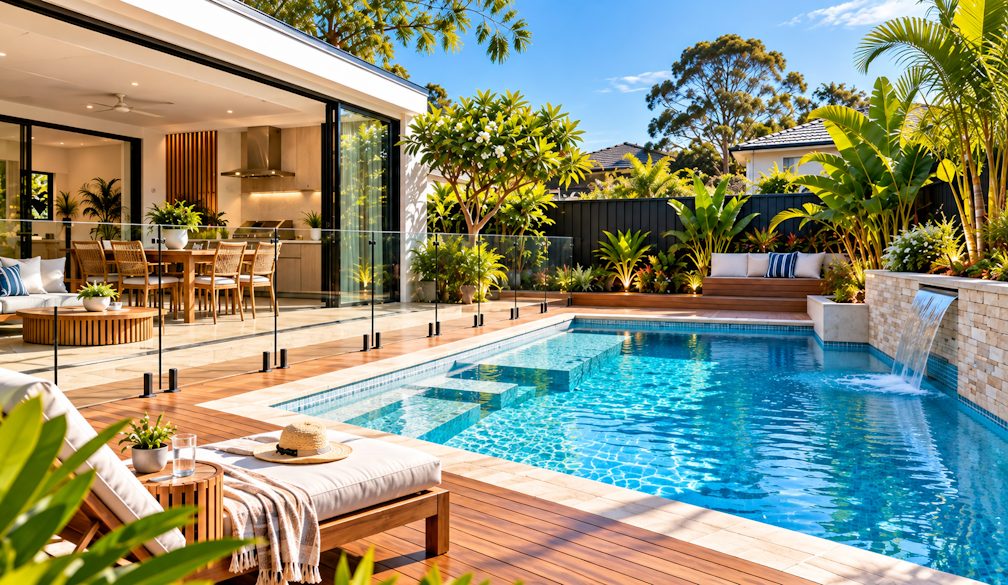
For many Australians, the backyard is where life happens. Summer barbecues, weekend swims and long evenings outdoors are all part of the lifestyle, ...

Is Solar Pool Heating Worth It? What Sydney Homeowners Should Know

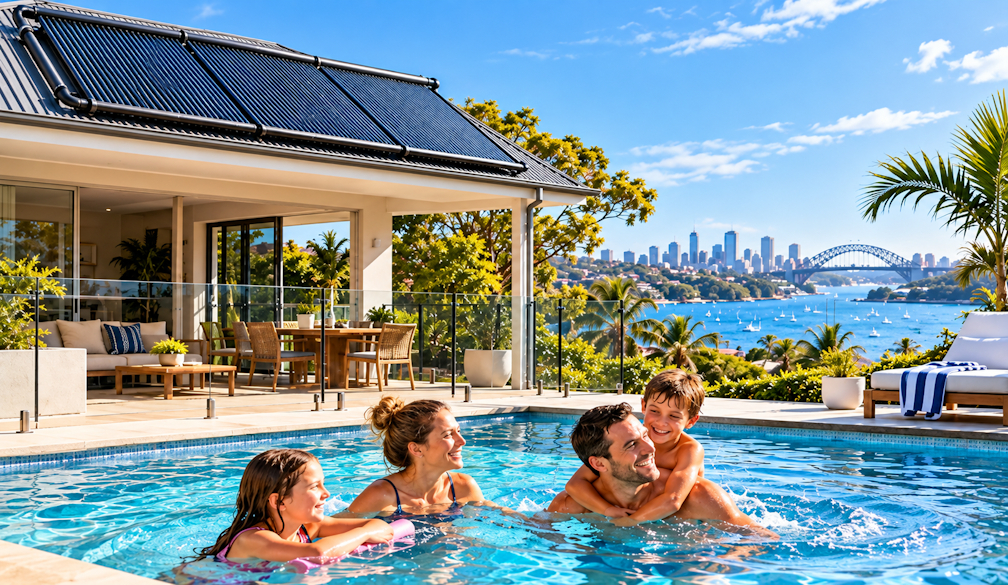
There's nothing quite like a backyard pool on a hot Sydney day. But once autumn rolls in, many pools sit unused for months because the water is simp...

Planning a Luxury House Move: A Week-by-Week Timeline for Prestige Sydney Homes

Selling or buying a prestige home is a major milestone. Whether it's a waterfront residence in Birchgrove, a grand Federation home in Haberfield or ...

Downsizing or Upgrading Your Caravan? Here's How to Sell It Without the Hassle

Selling a caravan can feel like a major task, especially when you are unsure about its value, paperwork, or how to find a buyer. Whether you are dow...

The Best Overseas Adventure Holidays for Australians Who Love the Outdoors

Australia offers no shortage of incredible outdoor experiences, but sometimes the best way to satisfy your sense of adventure is to head overseas. A...

Cape Town Wine Shuttle: Winelands Tasting & Tours

Embark on an unforgettable journey through the picturesque Cape Winelands, where world-class wines and breathtaking scenery await. Our Cape Town Win...

Metal Fabrication: Choosing Metal Fabrication Melbourne Services for Custom Projects

What Modern Metal Fabrication Involves From individual components to complete structures, metal fabrication brings together processes such as desig...

Why Giant Rats Tail Grass Keeps Coming Back After Spraying

Giant Rats Tail Grass (GRT) is one of the most frustrating pasture weeds for farmers and lifestyle property owners. You spray an infested area, see th...

When Custom Cardboard Boxes Make Sense for Your Business

Custom cardboard boxes can be useful when a standard carton does not fit a product, packing method or presentation requirement particularly well. A ...

Full-Height vs. Pop-Top Caravan: Which Is Better for Family Travel across WA?

A pop-top caravan is an excellent choice for travellers who want the comfort of a caravan without committing to a larger, bulkier setup. With a lowe...