

There’s a new outbreak of Ebola in Africa. Here’s what you need to know
- Written by: C Raina MacIntyre, Professor of Global Biosecurity, NHMRC L3 Research Fellow, Head, Biosecurity Program, Kirby Institute, UNSW Sydney
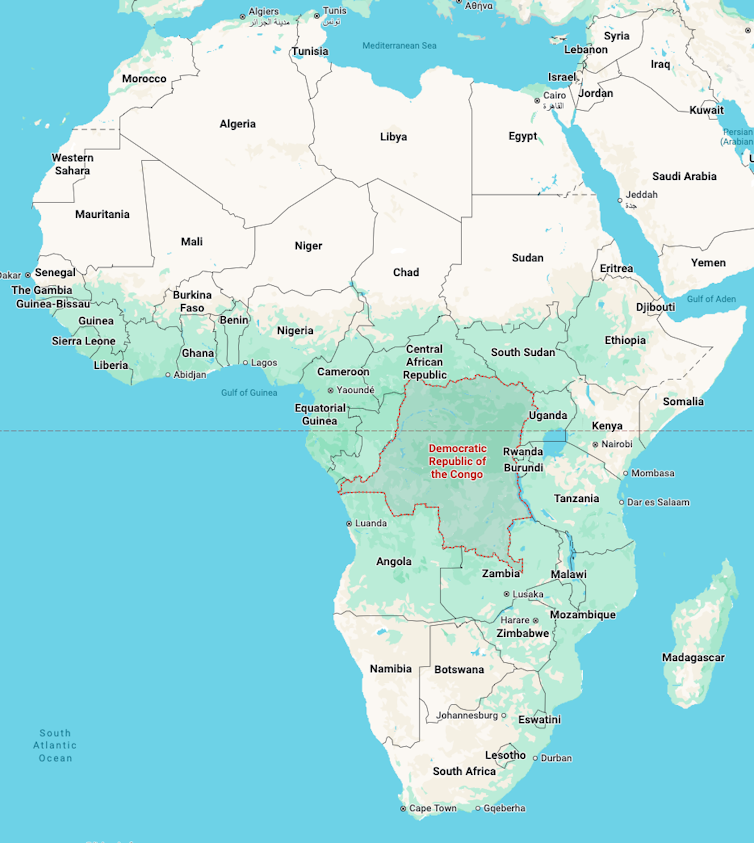
The Democratic Republic of the Congo (DRC) has declared a new Ebola outbreak in Kasai Province. It’s caused by the most severe strain: Zaire Ebola virus.
This outbreak began with a 34-year-old pregnant woman who was admitted to hospital on August 20 and died five days later. Two health workers who treated her also became infected and died.
By September 15, there were 81 confirmed cases and 28 deaths, including four health workers.
The DRC has had 15 prior Ebola epidemics, with the largest in 2019 and the most recent in 2022.
But genetic analysis shows the outbreak likely began after a spillover from an animal to a human, rather than a continuation of earlier outbreaks.
How does it spread and what are the symptoms?
Ebola virus disease was first identified in 1976 in a village near the Ebola River in Zaire (now the Democratic Republic of the Congo) and Sudan (now South Sudan).
Fruit bats are the natural host of the virus. Humans may become infected after contact with animals such as bats, chimpanzees, antelope or porcupines.
Ebola mainly spreads through direct contact with blood or other body fluids. It can take between two to 21 days for symptoms to appear.
Symptoms can be sudden: fever, fatigue, muscle pain, headaches and sore throat start first, then progress to vomiting, diarrhoea, abdominal pain, rash, bleeding and shock.
Without early treatment, the death rate can reach 50–90%, and depends on the availability of high-quality health care.
Ebola can spread rapidly within families, health-care facilities and during funerals, where many people gather and the bodies are washed or touched. During the largest recorded epidemic in 2014, more than 800 health workers were infected and two-thirds died.
Nurses and other front-line staff can become infected through close contact with infected patients, needle stick injuries or due to inadequate protective gear.
Read more: How are nurses becoming infected with Ebola?
Survivors can also carry the virus in certain parts of the body that are sheltered from the immune system – such as the brain, eyes or semen – for months or years.
In rare instances, Ebola can “reactivate” in a survivor and trigger new transmission chains.
Why are health authorities worried?
The largest Ebola epidemic on record began in Guinea in 2013 and spread into Liberia and Sierra Leone. It infected more than 28,000 people and killed more than 11,000.
A number of factors contributed to this high death toll: delayed detection, slow international response, weak health systems, rumours and distrust of authorities, and traditional funeral practices.
The DRC is currently managing multiple outbreaks at once, including a large mpox epidemic, cholera and measles, which also require staff, supplies and attention.
At the same time, armed conflict is disrupting transport and limiting access to certain communities.
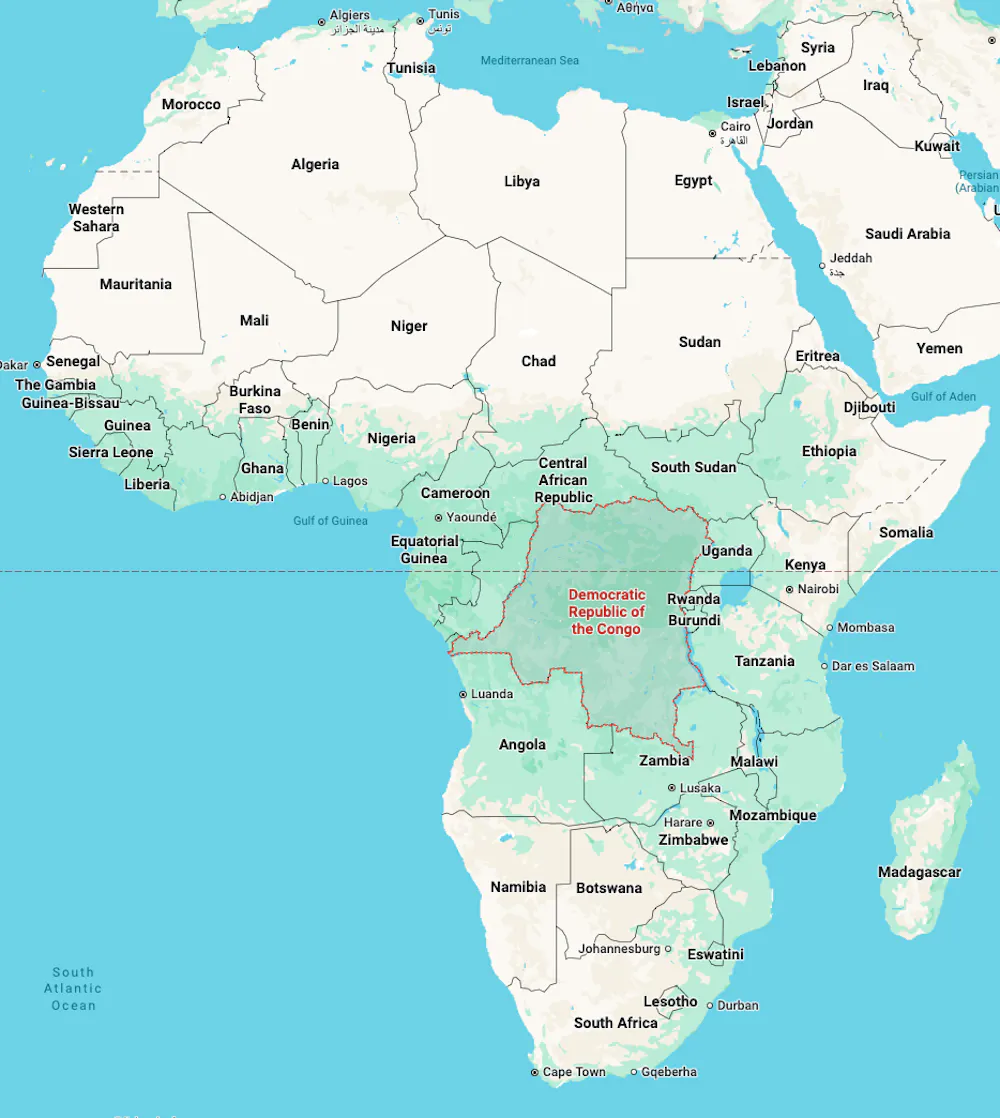
Although Kasai Province is fairly remote, the risk of further spread is increased by the proximity to the provincial capital, Tshikapa city, and the neighbouring country of Angola, where people travel for trade and work.
Read more: Why the DRC Ebola outbreak was declared a global emergency and why it matters
But a vaccine adds to the defence this time
This outbreak can be prevented by the Ervebo vaccine (rVSV-ZEBOV), which showed 100% effectiveness in a clinical trial against Zaire Ebola when given immediately after exposure.
The vaccine was 95% effective if given 12 of more days after exposure.
Real-world effectiveness was 84% during the last Ebola outbreak in DRC.
The World Health Organization (WHO) is supporting vaccination efforts, sending 400 doses, with more to follow.
“Ring vaccination” of contacts of known cases has started, as well as vaccination of front-line workers.
In addition to vaccination, Ebola outbreaks can be controlled by early isolation of suspected cases, tracing contacts and quarantining them.
Adequate hospital capacity for infected people is critical. Setting up field hospitals to increase capacity was key to controlling the 2014 West African epidemic.
Additionally, practising safer funeral rituals by avoiding traditional practices, such as washing or touching bodies, helps prevent transmission.
Early supportive care, including re-hydration, electrolyte replacement and monoclonal antibody drugs, can save lives.
Yet challenges remain. Vaccination campaigns need cold storage and safe transport to remote areas. Contact-tracing is difficult in insecure settings. And infection prevention, particularly through protective gear for staff, demands a constant supply.
Early detection is important
Open-source intelligence from news, social media and online reports of unusual disease activity can provide early warnings of disease outbreaks, such as this Ebola outbreak.
EPIWATCH, an AI-driven platform, detected a sharp rise in outbreak reports from DRC in early September, coinciding with the case report to the WHO.

There were also reports of symptoms in the month leading up to the official confirmation in Kasai. These signals don’t replace lab testing but can give authorities early warning, especially when diagnostic capacity is low.
If contained quickly, this outbreak may remain localised, with limited regional or international impact. The WHO currently assesses the risk as high for DRC, moderate for the region, and low globally.
Authors: C Raina MacIntyre, Professor of Global Biosecurity, NHMRC L3 Research Fellow, Head, Biosecurity Program, Kirby Institute, UNSW Sydney


















