

Recycling plastic bottles is good, but reusing them is better
- Written by: Rachael Wakefield-Rann, Research Consultant, Institute for Sustainable Futures, University of Technology Sydney
Last week Woolworths announced a new food delivery system, in collaboration with US company TerraCycle, that delivers grocery essentials in reusable packaging.
The system, called Loop, lets shoppers buy products from common supermarket brands in reusable packaging.
As Australia works out how to meet the national packaging target for 100% of Australian packaging to be recyclable, compostable or reusable by 2025, programs like this offer an opportunity to overhaul how plastic packaging is produced, used and recycled.
Read more: Here's what happens to our plastic recycling when it goes offshore
Recycling alone is not the silver bullet
Plastic packaging, most of which is for food and beverages, is the fastest growing category of plastic use.
In Australia less than 10% of this plastic packaging is recycled, compared with 70% for paper and cardboard packaging.
Of the seven categories of plastic, recycling of water bottles (PET) and milk bottles (HDPA) is most effective, yet recycling rates remain relatively low, around 30%.
Other hard plastics (PVC, PS) and soft or flexible plastics, such as clingfilm and plastic bags, present significant challenges for recyclers. In the case of soft plastics, although recycling options are available, the use of additives known as plasticisers – used to make the hard plastic soft and malleable – often make products recycled out of soft plastics weak, non-durable, and unable to be recycled further.
Some researchers argue recycling actually represents a downgrading process, as plastic packaging is not always recycled into new packaging, owing to contamination or diminished quality.
Read more: We can't recycle our way to 'zero waste'
Even where single-use plastic packaging can be effectively recycled, it often isn’t. The more single-use plastics that are produced, the higher the chance they will enter the ocean and other environments where their plasticiser chemicals leach out, harming wildlife populations and the humans who depend on them.
Zero Waste Europe recently updated its Waste Hierarchy to emphasise avoiding packaging in the first instance, and to encourage reuse over recycling.
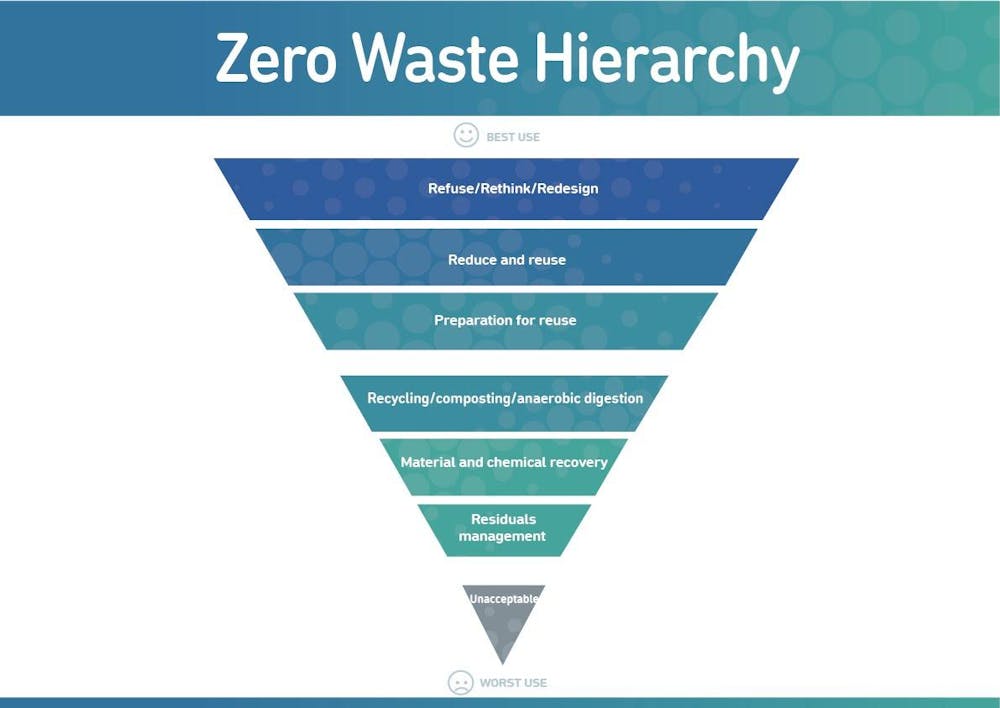 The zero waste hierarchy for a circular economy.
Zero Waste Europe
The zero waste hierarchy for a circular economy.
Zero Waste Europe
Getting reuse right
For a reusable product to be more environmentally sustainable than a single-use product, it must promote the use of less energy and resources in our daily routines.
Although the uptake of products such as reusable cups and shopping bags have increased, these types of reusable items have attracted criticism. If used correctly, these products represent a positive change. However, some research suggests these products can be less sustainable than the single-use items they are replacing if people treat them like disposable items and do not reuse them enough.
For example, if you regularly buy new reusable bags at the supermarket, that potentially has a greater environmental impact than using “single-use” plastic bags.
To really reduce plastic packaging, we need to find ways to alter the routines that involve plastic packaging, rather than directly substituting individual products (such as reusable bags for single-use ones).
Developing new reusable packaging systems
Redesigning ubiquitous plastic packaging means understanding why it is so useful. For food packaging, its functions might include:
allowing food to travel from producer to consumer while maintaining its freshness and form
enabling the food to be kept on a shelf for an extended period of time without becoming inedible
allowing the brand to display various nutritional information, branding and other product claims.
So how might these functions be met without disposable plastic packaging?
TerraCycle Loop, the business model that Woolworths has announced it will partner with, is currently also trialling services in the United States and France. They have partnered with postal services and large food and personal care brands including Unilever, Procter & Gamble, Clorox, Nestlé, Mars, Coca-Cola, and PepsiCo.
Customers order products online, from ice-cream to juice and shampoo, with a small container deposit. These items are delivered to their house, and collected again with the next delivery. The containers are washed and taken back to the manufacturers for refill. The major participating brands have all redesigned their packaging to participate in the program.
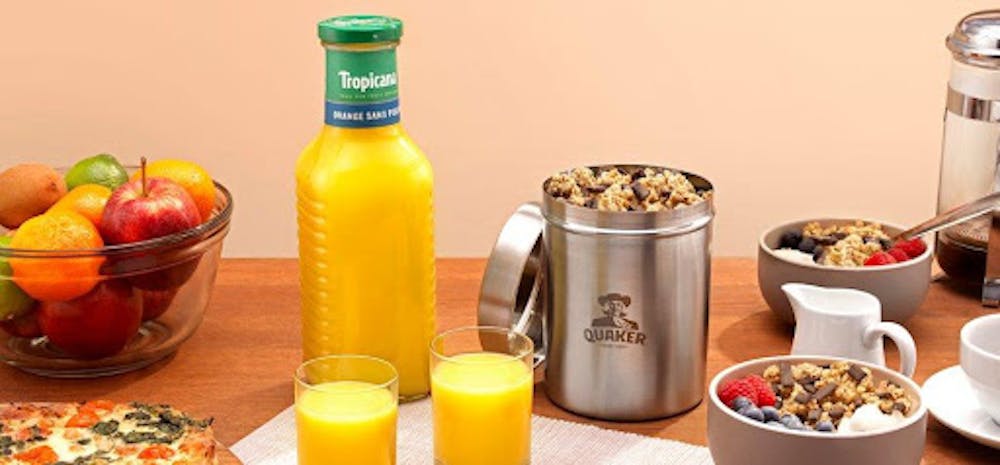 TerraCycle Loop reusable packaging.
TerraCycle Loop
TerraCycle Loop reusable packaging.
TerraCycle Loop
This model works because it is not replacing products one-for-one, but creating a new product system to allow people to easily integrate reuse into their daily routines.
We can examine the function of single use plastic packaging in takeaway food in a similar way. The purpose of takeaway food packaging is to let us enjoy a meal at home or on the move without having to cook it ourselves or sit in a restaurant. So how might these functions be achieved without disposable packaging?
Australian company RETURNR has addressed this with a system in which cafes partner with food delivery services. Customers buy food in a RETURNR container, pay a deposit with the cost of their meal, and then return the container to any cafe in the network.
The Kickstarter campaign Zero Co, is offering a similar model for a resuse service that covers kitchen, laundry and bathroom products.
Making reuse easy and convenient is crucial to the success of these systems.
Read more: China's recycling 'ban' throws Australia into a very messy waste crisis
If Australia is to meet our national packaging targets, we need to prioritise the elimination of unnecessary packaging. Although recycling is likely to remain crucial to keeping plastic waste out of landfill in the near future, it should only be pursued when options higher up the waste hierarchy – such as reuse – have been ruled out.
Authors: Rachael Wakefield-Rann, Research Consultant, Institute for Sustainable Futures, University of Technology Sydney
Read more http://theconversation.com/recycling-plastic-bottles-is-good-but-reusing-them-is-better-126339


















