

the latest global update on a diet that’s good for people and the planet
- Written by Sheila Skeaff, Professor of Human Nutrition, University of Otago
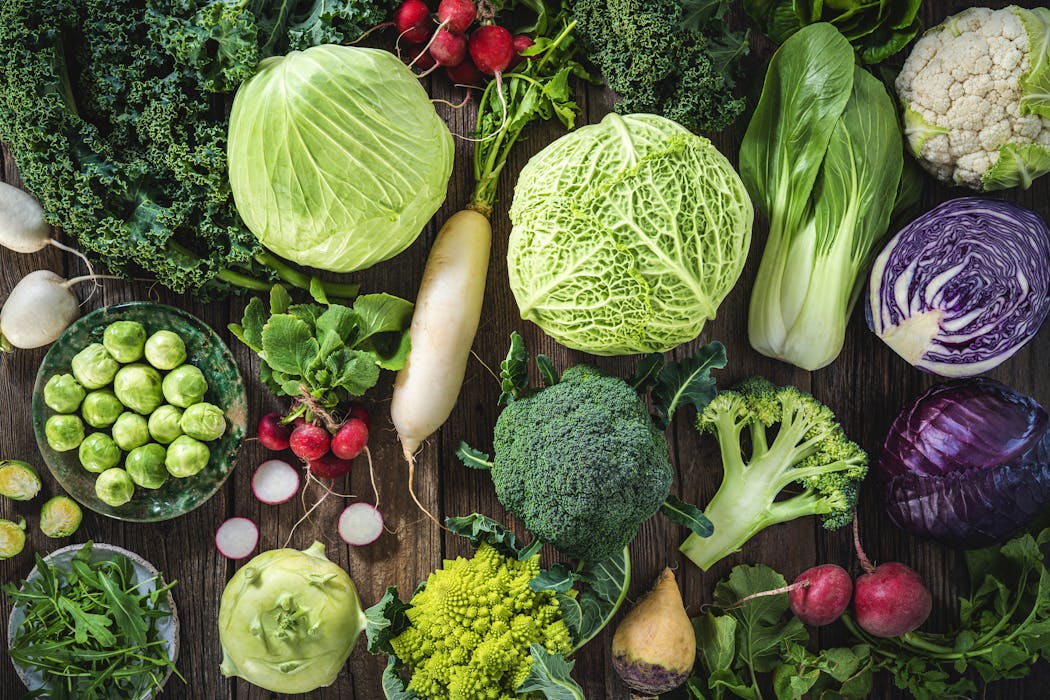
A long-awaited expert update on the dietary changes needed to support both human and planetary health comes out clearly in favour of a plant-based approach.
The EAT-Lancet Commission says a shift towards its planetary health diet, released last week, could prevent 40,000 early deaths a day across the world and cut agricultural methane emissions by 15% by 2050.
The diet promotes more vegetables, fruits, whole grains, legumes and nuts, with only modest amounts of meat, fish, poultry and dairy.
If you imagine a plate, half would be filled with vegetables and fruit (with more vegetables than fruit). Most of the remaining half would be whole grains and plant proteins. There’s room for small amounts of animal products and healthy fats, but very little added sugar. Notably, butter doesn’t get a mention.
The most contentious aspect is the commission’s recommendation on meat: just 14 grams per day of red meat and 29 grams per day of poultry – that’s roughly one small steak, one lamb chop, or two chicken drumsticks per week.
New Zealand’s traditional diet is a long way off this recommendation. But my recent study of teenage girls across the country suggests a shift is underway, with most embracing a predominantly plant-based diet.
How we know what’s best to eat
Many factors influence food choices – hunger, emotions, health, culture, media, taste, habits and family traditions.
Evidence-based dietary guidance, such as national food and nutrition guidelines, also plays a role.
In New Zealand, people may be familiar with the “5+ a day” message promoting fruit and vegetable consumption. That recommendation has since shifted to “7+ a day” as new evidence has emerged.
Over the past decade, nutritional guidelines have increasingly incorporated environmental sustainability, acknowledging that around 30% of global emissions come from growing, processing and transporting food.
The EAT-Lancet Commission took this sustainability focus further in its first release of the planetary health diet in 2019. It argued that by changing what we eat, reducing food waste and improving food production systems, we could feed a growing global population while minimising environmental damage.
Less meat is a win-win
This approach is a significant departure from traditional diets in Aotearoa New Zealand. The British-influenced “meat and three veg” (often with potatoes as one of the vegetables) and the Māori hāngi of pork, seafood, kumara and local greens don’t align neatly with the EAT-Lancet recommendations.
One criticism of the original report was its limited consideration of indigenous food systems. In my view, the minimal inclusion of starchy vegetables such as potatoes, cassava, kumara, maize and millet is hard to justify. These are staple foods – affordable, widely available and important sources of energy for many communities.
But most New Zealand adults consume nearly twice the recommended amount of protein. Reducing meat is therefore unlikely to lead to inadequate protein intakes.
Currently, about 40% of New Zealanders’ protein comes from animal sources (meat, dairy, fish). The remaining 60% comes from plants.
The belief that only animal proteins are of high quality – due to their amino acid profile and digestibility – is outdated. It’s a common misconception that some amino acid are only available through meat. Plants contain all essential amino acids, albeit in varying proportions.
For most adults, a diet with smaller amounts of meat would be a win-win: better for their health and better for the planet.
So, should New Zealand embrace the planetary health diet?
In many ways, we already are. My study of teenage girls found those following an omnivorous diet got 69% of their energy from plant-based foods (ranging from 43% to 92%), while vegetarians averaged 83% (ranging from 51% to 100%).
However, New Zealanders still consume more saturated fat than recommended and not enough dietary fibre. Shifting further toward the planetary health diet could help address these imbalances and reduce the risk of premature death from heart disease and cancer, our leading causes of mortality.
A diet for people and the planet
Perhaps unsurprisingly, the meat industry has been pushing back against the commission’s recommendations ever since the first release of the planetary health diet.
A recent report published by the Changing Markets Foundation identifies a network of influential pro-meat voices in industry, academia and governments actively working to discredit the commission’s findings.
Some nutrition academics have raised concerns about the relatively low quantity of meat and fish. Some experts argue the low amount of meat may not meet the nutritional needs of certain groups such as pregnant women and young children, who would benefit from the iron and zinc found in red meat because it is easier to absorb than from vegetable sources.
Adding to the complexity is the global obsession with protein – often associated with meat. While fat and carbohydrates have been vilified, protein enjoys a nutritional halo.
The updated guidelines place greater emphasis on environmental sustainability and, importantly, acknowledge the need to respect and empower diverse food cultures and uphold the universal human right to food.
As we face the twin challenges of climate change and rising rates of diet-related disease, I argue the planetary health diet offers a recipe for a healthier, more sustainable future.
It’s not about eliminating entire food groups or enforcing a one-size-fits-all approach. Rather, it’s about making thoughtful, evidence-based choices that nourish both people and the planet.
Authors: Sheila Skeaff, Professor of Human Nutrition, University of Otago

















