

Our research shows how screening students for psychopathic and narcissistic traits could help prevent cyberbullying
- Written by: Macie Alavi, Lecturer in Counselling Psychology, Griffith University
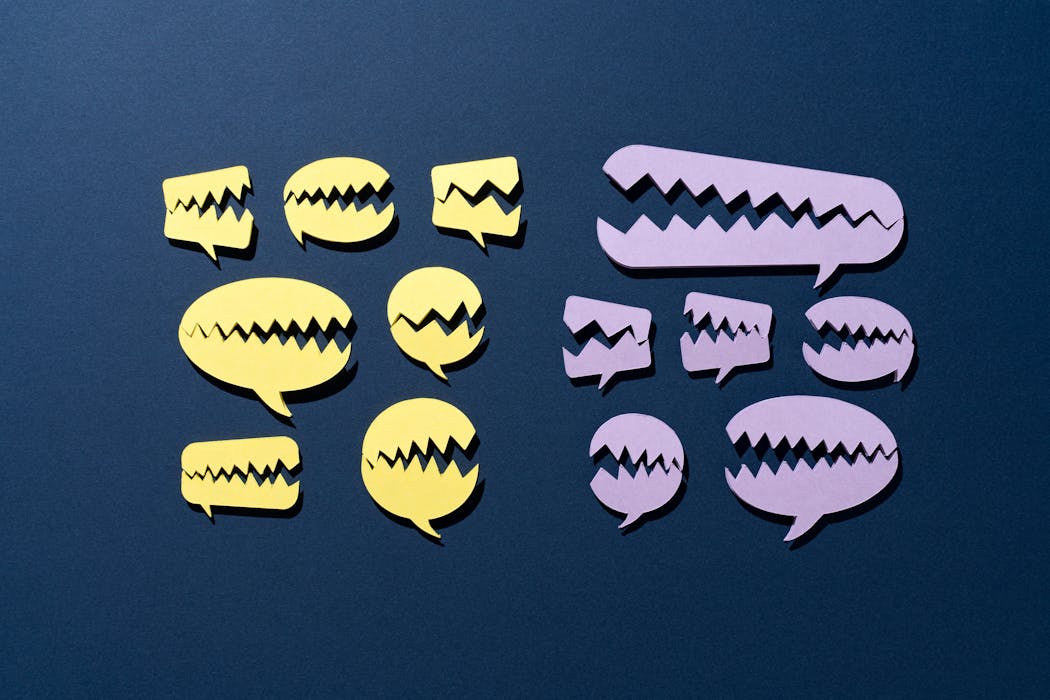
The federal government has just released an expert review to try and prevent bullying in schools. One of the greatest areas of concern is cyberbullying, which is alarmingly common among young people.
As federal Education Minister Jason Clare said over the weekend,
[…] now it’s just not happening in the playground, it’s not push and shove in the ground or stealing lunch money, it’s so much more insidious than that, and it happens day and night, and everybody can see it.
The eSafety Commission says cyberbullying has increased by more than 450% in the past five years. Of these incidents, 46% related to children 13 and younger. A 2025 eSafety survey also showed 53% of Australian children aged 10–17 had experienced cyberbullying.
Cyberbullying and cybertrolling often occur anonymously, allowing perpetrators to hide behind fake profiles and act with impunity. The impacts can be devastating for victims’ mental health and social lives.
One common way to try and stop this is simply to limit young people’s time online. But our peer-reviewed research suggests we need to factor in the role young people’s personalities play in cyberbullying and cybertrolling.
What is the difference between cyberbullying and cybertrolling?
Cyberbullying refers to ongoing, targeted acts of harm via digital platforms. It is often intended to intimidate or emotionally damage an individual.
Cybertrolling involves provocative or disruptive online behaviour aimed at provoking conflict. It can leave victims feeling powerless or humiliated.
The key difference is cyberbullying is typically ongoing and involves a power imbalance. Cybertrolling is more likely to be opportunistic, impersonal, and driven by provocation.
What role does personality play?
One way parents and schools try to reduce exposure to or involvement in harmful online behaviours by limiting screen time. This suggests young people cyberbully or troll mainly because they have the opportunity to do so. Other reasons could be that people bully or troll because they are unhappy with their lives.
While these may be partly true, what if there are other factors at play?
In our research, we were interested to further understand the role of personality in cyberbullying and cybertrolling. We were particularly interested to understand the role of what’s known as the “dark tetrad”. This is a well-established psychological framework for understanding antisocial behaviour.
It involves four interrelated personality traits:
Machiavellianism (manipulative)
narcissism (entitled and self-centred)
psychopathy (impulsive and lacking empathy)
sadism (enjoyment from causing others pain).
Our research
In 2021, we surveyed 189 Australians aged 16–19 who were active social media users. Participants were recruited online through social media posts and university research platforms, such as Facebook.
Using an online survey, participants completed questionnaires to examine whether they had dark tetrad traits and whether they had experienced cyberbullying and cybertrolling (either as perpetrators or targets). We also asked about their life satisfaction and how much time they typically spend online.
We wanted to examine whether personality traits could explain antisocial online behaviour beyond external factors such as screen time or wellbeing and life satisfaction.
In turn, we wanted to identify if someone was likely to bully or troll online.
Our findings
Using statistical analysis, we found narcissism, sadism and psychopathy traits were consistently linked with both cyberbullying and cybertrolling in our study group.
In other words, teens with higher levels of aggressive and thrill-seeking traits and/or pleasure-seeking from the suffering of others were more likely to bully or troll others online.
There was no relationship with Machiavellianism or having a manipulative personality. This suggests while manipulation may occur in offline contexts, it may not directly motivate online aggression.
These effects remained significant even when we accounted for how much time participants spent online and their life satisfaction.
This means those high in these dark traits were also still likely to cyberbully or troll even if they were happy with their lives overall. Meanwhile, spending more time on the internet did not make people more likely to bully or troll.
What does this mean?
Our findings challenge common assumptions that online harm is driven mainly by time spent online or unhappiness.
While digital literacy, adult supervision and wellbeing promotion are still important, these may not be enough to prevent online harm.
We also need to recognise the role personality plays.
What can we do?
Our findings also suggest we may be able to take more pre-emptive action against cyberbullying.
If schools can identify young people showing persistent callous or manipulative traits, early social-emotional support could reduce risk before harmful patterns take hold.
Just as we teach physical safety online, we should also teach psychological safety, helping young people understand empathy, recognise the impact of their actions, and build healthier relationships.
Young people at risk could be identified through school wellbeing or pastoral-care programs that monitor persistent traits like callousness. Schools could also make use of teacher or counsellor observations supported by validated personality checklists.
At the same time, we do not want to unhelpfully label some teens as “bad”. Instead, we emphasise the need for early intervention that addresses social and emotional development.
Authors: Macie Alavi, Lecturer in Counselling Psychology, Griffith University


















