

How do you know when it’s OK to stop seeing your therapist?
- Written by Kelvin (Shiu Fung) Wong, Senior Lecturer in Clinical Psychology, Swinburne University of Technology
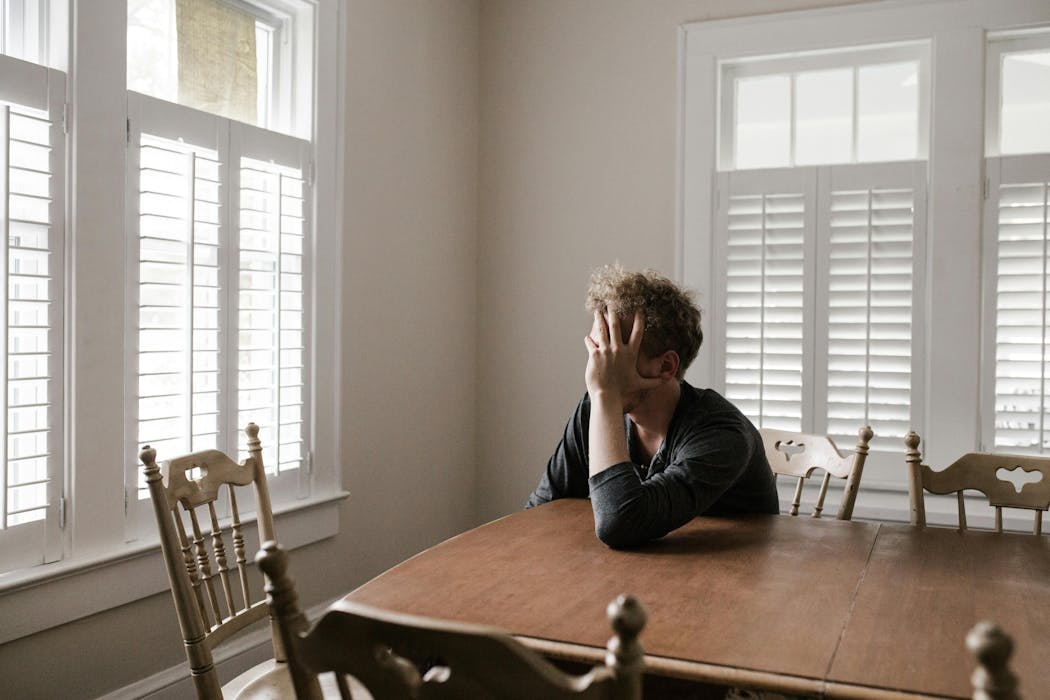
Knowing when to stop psychological therapy is just as important as knowing when to start.
The decision is complex and influenced by many factors, including your own progress, your relationship with the therapist, and your broader life.
Therapy is expensive, even if you’ve got a mental health plan entitling you to see a psychologist for ten subsidised sessions each calendar year. So many people stop because they can no longer justify the cost.
But apart from financial considerations, how do you know when therapy should end? Most clients do not know.
Ideally, you should start thinking about this even before you start therapy, and talk to your therapist about it early. Otherwise, you might end up stopping therapy before you’re ready.
What are your treatment ‘goals’?
It is a good idea to set clear goals at the start of therapy, and agree with your therapist that treatment might no longer be necessary when they’re achieved.
Ask yourself something like: “how might my life look different if the problem I came into therapy for (such as social anxiety) was no longer a problem? What would I be doing differently?”
Perhaps you want certain symptoms, such as fearing judgement from others, to significantly reduce. Perhaps you want certain behaviours, such as avoiding social situations, to reduce.
Or perhaps you want a have a better understanding of yourself and how you tend to respond to certain situations (such as conflict, romantic relationships, or family dynamics).
It is a good idea to collaborate with your therapist when determining your goals as they help you refine them from being too abstract (“I want to be happier”) to concrete (“I’d be happier if I spent more time with my friends”).
It is also completely reasonable for goals to change throughout the course of therapy. Have another conversation with your therapist if this happens.
In fact, regular check-ins with your therapist about your progress towards your goals is more likely to lead to positive change.

When therapy feels ‘stuck’
Sometimes, however, the treatment might feel “stuck”.
When this happens, talk about it with your therapist. Of course, that requires a relationship of trust with the therapist. A good therapist will also make you feel heard, be empathetic, and be non-judgmental in their approach.
When you don’t feel this safety or trust then you might be inclined to cancel sessions at the last minute, avoid making another session, or avoid discussing hard topics in session.
If you do not feel safe with your therapist, then it might be time to consider ending therapy with them. It is also possible that you just don’t “click” with them; this is not uncommon and many people try a few therapists before they find one that’s a good fit.
So, not “clicking” with them or feeling stuck might be a reason to try a different therapist – but you should also take some time to reflect on why the two of you aren’t a good fit.
However, be cautious about stopping therapy just because you want to avoid difficult emotions such as sadness, fear, or guilt. Remember that it is normal for therapy to sometimes feel a bit unpleasant – being vulnerable is hard (but important)!
But how do you end therapy?
There is usually a termination process. This is where you and your therapist discuss, in a thoughtful way, what it means to end therapy, and reflect on the process and progress of therapy so far.
Sometimes the therapist might seek your feedback in the form of short questionnaires. Other times, you and your therapist might write a therapeutic letter to each other to mark the end of the work.
When ending therapy, it is important to think about how other relationships in your life have ended. Doing so helps bring awareness to patterns, emotions, and expectations that may influence how you experience and process the end of therapy. For example, a bad breakup years ago might make you fearful of abandonment and so you (mistakenly) believe that your therapist is also abandoning you. As a result, you might avoid having the final session and receiving closure.
Knowing this, take your time! Rather than ending in one session, it can help to take a few sessions to finish therapy and to have this clearly planned with the therapist. This is particularly relevant when you have been working with them over a long period of time (months, years).
This allows you to reflect and prepare for the end of a significant relationship in your life.
Ending therapy is never an easy decision, given how hard it can be to decide to see a therapist in the first place (and get an appointment).
But it is good to reflect often on your therapeutic goals and how you have progressed so far.
Authors: Kelvin (Shiu Fung) Wong, Senior Lecturer in Clinical Psychology, Swinburne University of Technology
Read more https://theconversation.com/how-do-you-know-when-its-ok-to-stop-seeing-your-therapist-264678

















