

Yes, you can be intolerant to fruit and veg
- Written by Lauren Ball, Professor of Community Health and Wellbeing, The University of Queensland
For most people, eating a wide variety of fruit and vegetables is the cornerstone of a healthy diet.
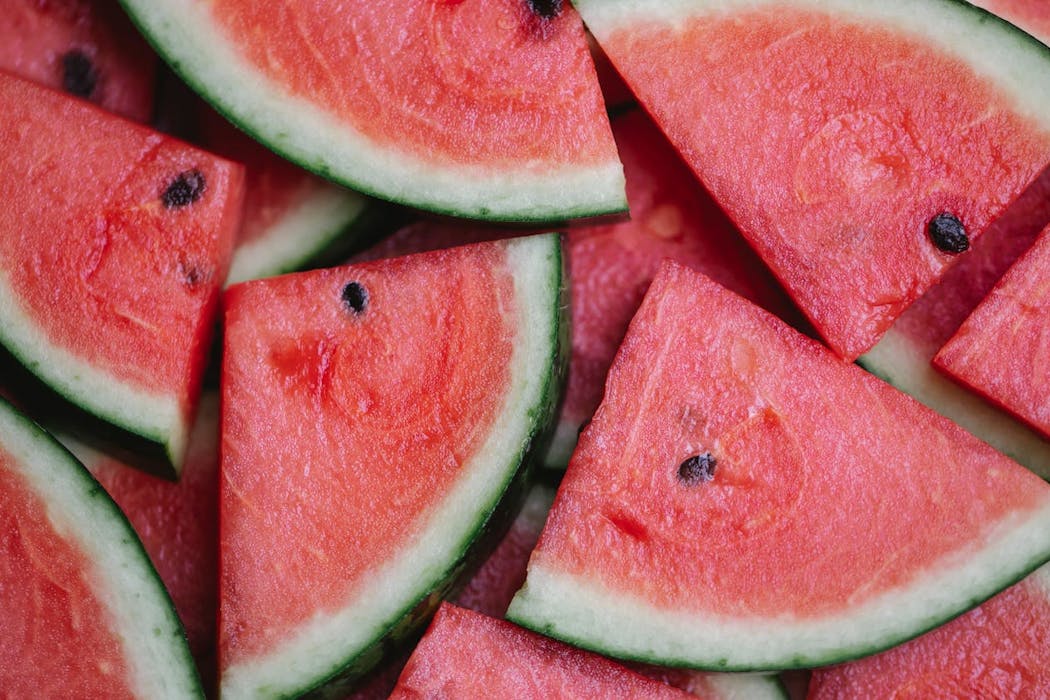
But for people with hereditary fructose intolerance, even a couple of bites of juicy watermelon or some sun-dried tomatoes in a salad can cause serious health problems.
This rare condition isn’t a food allergy or sensitivity.
But it can lead to serious health problems if not identified and correctly managed.
What is hereditary fructose intolerance?
Hereditary fructose intolerance is a rare genetic condition that affects how the body manages the sugar fructose.
Fructose isn’t just in fruit. It’s in honey, some vegetables, sweetened drinks, and many packaged foods, such as cakes, cookies, sauces and some breads. Fructose can also be added during the processing of some meats (deli meats and sausages) and dairy products (chocolate milk).
Sucrose (table sugar) and sorbitol (a sugar substitute often in chewing gum, toothpaste and medications) also contain fructose or are converted into fructose during digestion. This means people with hereditary fructose intolerance are also intolerant to these sugars.
People with the condition don’t have the key enzyme aldolase B needed to break down fructose.
This means fructose builds up in the liver, kidneys and intestines. This excess fructose can cause serious health problems, such as seizures, coma and, in some cases, death from liver and kidney failure.
How common is it?
Hereditary fructose intolerance is passed down to a person when both their parents carry the gene. It is considered a rare condition that affects about one in 10,000 people.
It usually becomes noticeable when babies begin eating solid foods including fruit, vegetables or sweetened baby foods that contain fructose.
In adults, hereditary fructose intolerance can be missed or misdiagnosed as other conditions such as glycogen storage disease, an eating disorder or recurrent hepatitis.
Because of this overlap in symptoms, hereditary fructose intolerance in adults can remain undetected for years.
How is it different to a food allergy or sensitivity?
Hereditary fructose intolerance is markedly different to a food allergy. A food allergy involves the immune system reacting to a food – for example, cow’s milk protein – as if it’s harmful to the body. This can cause symptoms such as hives and welts, swelling of the mouth or trouble breathing.
Hereditary fructose intolerance is also different to a food sensitivity, such as lactose intolerance or non-coeliac gluten sensitivity. This doesn’t involve the immune system but can still cause discomfort such as bloating, altered bowel habits or stomach pain.
Hereditary fructose intolerance is a genetic condition that causes a food intolerance and is not immune-related.
The condition is also different to fructose malabsorption (which, confusingly has previously been referred to as “dietary fructose intolerance” informally). This is a milder digestive condition where the small intestine doesn’t absorb fructose well, and causes symptoms such as stomach pain, bloating and gas.
How do you know if you have it?
In babies and young children, symptoms may include vomiting, unusual sleepiness or irritability, food refusal and failure to gain weight.
Some children instinctively avoid sweet foods, which may mask the condition until later in childhood or adulthood.
In adults, symptoms can include chronic stomach pain, fatigue and unexplained low blood glucose (sugar) levels. Doctors may notice subtle clues such as a swollen liver, abnormal liver tests or signs of fatty liver disease.
Confirming the condition requires genetic testing or a specialised glucose (sugar) tolerance test. But for many, diagnosis only comes after years of confusion, frustration, and dietary trial and error.
How is it managed?
There’s no cure for hereditary fructose intolerance. But it can be managed by strictly avoiding fructose, sucrose and sorbitol. Reading labels becomes essential for daily life, as even sauces, medications and toothpaste can contain these sugars.
People with the condition need to watch the following:
fruits: avoid all fruits, juices, canned fruit and other fruit products
cereals/grains: avoid cereals with added sugars, honey, molasses, dried fruit or sweet flavourings. Pasta, rice and other plain grains such as quinoa or buckwheat are generally safe but avoid flavoured or pre-made varieties
vegetables: most vegetables are fine, except sweeter ones such as peas, corn, beetroot, onions, pumpkin, sweet potatoes, carrots and zucchini
breads: only those made without added sugars or sweeteners are OK.
desserts and dairy: avoid sweetened desserts or flavoured yogurts (natural yogurts are usually fine). Be wary of plant-based milks, such as almond milks, which often have added sugars
protein: non-sweetened or flavoured red meat, chicken, turkey, fish, beans and lentils, eggs, tofu and tempeh are usually safe. But avoid processed meats, such as sausages/deli meats, or marinated meats
other foods: be cautious with sauces, dressings and condiments as they many contain hidden sugars or sorbitol. Choose homemade versions using safe ingredients.
Awareness matters
If someone avoids certain foods or if they unwell after eating fruit, don’t assume they’re fussy or dieting – they might have hereditary fructose intolerance.
Greater awareness of this rare condition could mean earlier diagnosis and better support for those affected.
For parents, noticing a child’s sudden or strong aversion to sweets, repeated vomiting or slow growth can be an important clue.
And for doctors, considering hereditary fructose intolerance as a possible cause of unexplained digestive problems, low blood glucose or liver changes could make a life-changing difference.
More information about hereditary fructose intolerance is available, including recipes, tips on how to read food labels, and support.
Authors: Lauren Ball, Professor of Community Health and Wellbeing, The University of Queensland
Read more https://theconversation.com/yes-you-can-be-intolerant-to-fruit-and-veg-267101

















