

New study finds 2 in 5 Australians experience traumatic events as children
- Written by Lucinda Grummitt, Postdoctoral Research Fellow, The Matilda Centre for Research in Mental Health and Substance Use, University of Sydney
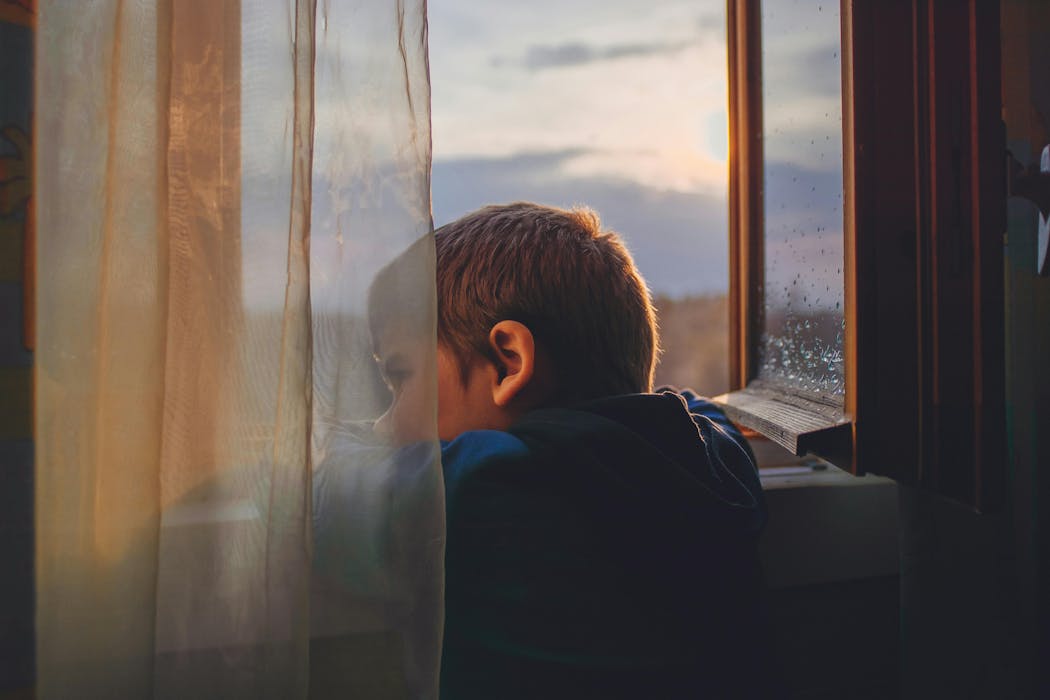
Some 42% of Australians experience a traumatic event before turning 18 – and it affects their health decades later.
Our study, released today, analysed data from 15,893 Australians aged 16–85, collected by the Australian Bureau of Statistics between 2020 and 2022.
The findings reveal a confronting truth: two in five Australians – around 8.25 million people – experienced at least one traumatic event before the age of 18.
These events, ranging from witnessing domestic violence to experiencing sexual assault or the death of a loved one, often occur shockingly early in life and leave lasting marks on mental and physical health.
This means recognising trauma in childhood – and responding early – is an urgent public health issue that can save lives.
What counts as trauma?
For its National Study of Mental Health and Wellbeing, the Australian Bureau of Statistics selected a random, representative sample of Australians across the country to participate in interviews.
Participants answered questions about 28 types of traumatic experiences and when they first occurred.
These included physical or sexual assault, life-threatening accidents, natural disasters, exposure to war and conflict, domestic violence, or the unexpected death of a loved one.
The results were sobering. Among the participants, the most common types of traumatic events experienced before age 18 were:
- the unexpected death of a loved one (27%)
- witnessing domestic violence (21%)
- experiencing sexual assault (21%).
Nearly half of those exposed to childhood trauma had experienced multiple types, with the average age of first exposure to any traumatic event just 9.5 years.
Some of the most harmful events – such as being badly beaten by a parent or witnessing domestic violence – began, on average, at just 6–7 years old.
Read more: Major study reveals two-thirds of people who suffer childhood maltreatment suffer more than one kind
The ripple effects in adult life
Not everyone who experiences a traumatic event in childhood will go on to experience negative health effects. But it does increase your risk.
We found strong links between childhood trauma and a wide range of mental health conditions.
People who had experienced traumatic events in childhood had significantly higher odds of all mental health and substance use disorders, as well as suicidal thoughts and behaviours, compared to those who never experienced trauma.
Read more: 1 in 3 teens has thought about suicide this year. Here's what to look for – and where to get help
But the impact wasn’t limited to mental health. Childhood trauma was also associated with increased odds of serious physical conditions in later life, including asthma, arthritis, cancer and kidney disease.
However, the cross-sectional design means we can’t say trauma caused these health outcomes – only that they’re strongly associated.
We also compared outcomes for people who experienced trauma in childhood versus adulthood.
While trauma at any age is harmful, our study found earlier exposure was often more damaging. For example, compared to those whose trauma occurred only in adulthood, people who experienced trauma as children had higher odds of:
- suicidal thoughts and attempts
- panic disorder
- generalised anxiety disorder
- social phobia, obsessive compulsive disorder
- persistent depression.
How trauma affects the brain and body
Traumatic events can cause significant changes in the body. Trauma affects the brain, hormones, immune system, and even gut health.
When stress-response systems activate briefly, they help the body cope with threat (sometimes known as the “fight, flight, or freeze” response).
But with repeated or chronic exposure to trauma, stress hormones stay high for too long, creating harmful “wear and tear” on the body.
The ongoing strain can lead to health problems including inflammation, a weaker immune system, insulin resistance, and increased risk of conditions such as diabetes and heart disease.
Early experiences of trauma can have a particularly damaging impact because the body and brain are developing rapidly and are especially responsive to the environment.
Children who go through trauma may also struggle to form healthy relationships and coping skills, which can make life harder as they grow up.
A problem we can’t ignore
There are some limitations to our data. Because this study relied on people remembering and reporting childhood trauma, there’s a chance of bias or misreporting.
And while our sample was nationally representative, it excluded people experiencing homelessness or living in institutions, who are likely to have even higher rates of trauma.
Still, the scale and severity of the problem are clear.
Our findings build on the landmark Australian Child Maltreatment Study, which found 62% of Australians had experienced abuse, neglect, or domestic violence in childhood. The high levels of emotional abuse and neglect – which we did not measure – may explain that study’s higher statistic.
Together, the studies show childhood trauma is not rare, and its effects ripple across decades.
Yet trauma often goes unrecognised
Raising awareness is critical to help prevent suicide, reduce economic cost, and improve the lives of millions of Australians.
Hundreds of organisations across the country do vital work to nurture and protect children from the harmful effects of trauma exposure. But the scale of the problem means there is much more work to be done.
We must consistently embed trauma-informed care across systems that serve children and adults – from schools and hospitals to mental health services and the justice system.
This means recognising the signs of trauma, responding with empathy, and avoiding practices that may retraumatise.
For example, children exposed to trauma may act out or withdraw at school. Harsh punishment, such as suspension or expulsion, reinforces feelings of shame and isolation and risks retraumatising them. It can make these kids more likely to drop out of school, have trouble finding work, experience difficulties in relationships, and become involved in the justice system.
Ensuring teachers and schools have the tools to recognise when behaviour signals trauma and the support to manage these behaviours without retraumatising students is critical. Responding with care and support can change a child’s life.
If there’s one takeaway from this research, it’s this: childhood trauma is a significant public health issue – and addressing it could save lives.
If this story has raised any issues for you, please contact one of the services below:
Authors: Lucinda Grummitt, Postdoctoral Research Fellow, The Matilda Centre for Research in Mental Health and Substance Use, University of Sydney

















