

As people live longer and healthier, nurse training needs to respond to avoid ageist attitudes
- Written by: Samantha Heath, Senior Lecturer in Nursing , University of Waikato
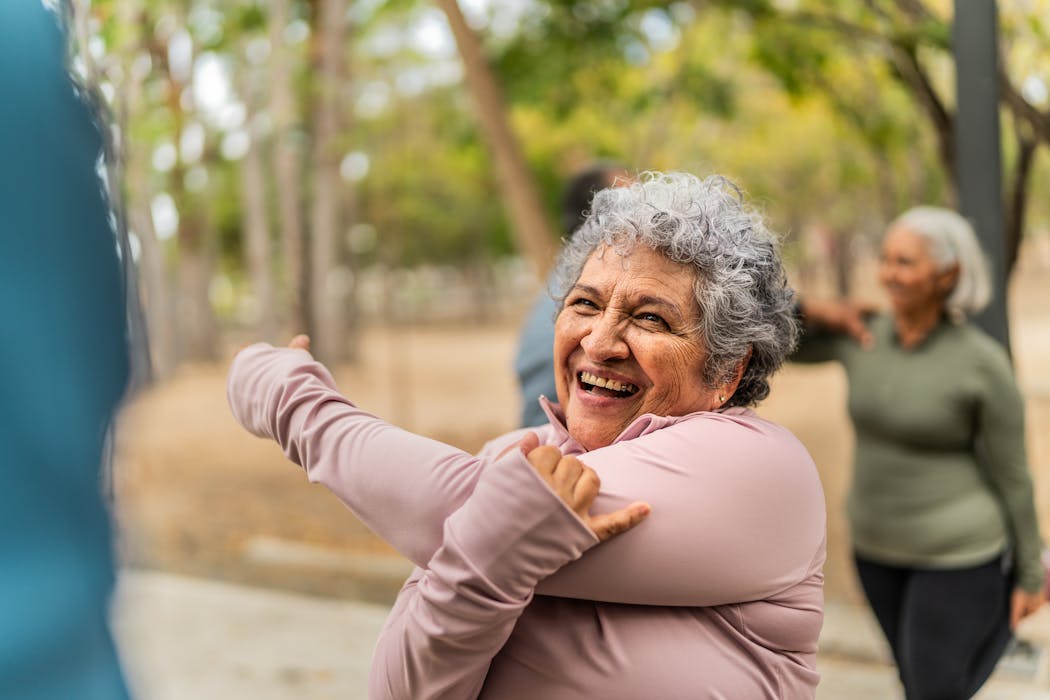
Life expectancy in New Zealand has increased dramatically over the past five decades. In 1970, men lived on average to 68. Today, it’s over 80.
These gains reflect major advances in public health and medical technology. But living longer can mean more years with multiple chronic conditions and disabilities, because age is a significant risk factor for most disease.
This demographic shift will reshape healthcare. Future health professionals will need to be aware of the increasingly complex social, technological and ethical challenges of caring for older people.
Ageism, or discrimination based on a person’s age, should be considered as one of these challenges.
Age influences how health concerns are interpreted. In a recent World Health Organization report, nearly 60% of health professionals admitted to making age-based (or ageist) assumptions about their patients’ abilities or needs.
Genuine symptoms are dismissed as part of normal ageing, leading to flawed decisions. There is evidence that older people are also under-treated, raising the risk of disease progression.
Other consequences include missed diagnoses. Inequalities occur where there is limited access to services or inclusion criteria are set to exclude people over 65.
There is the potential for this kind of thinking to creep into health professional education. It shows up in stereotypes that appear in case studies for learning, or in the way programmes are structured and in the kinds of clinical placements that are used.
Why ageism matters in healthcare
Our national nursing programme review in the polytechnic sector looked at New Zealand student nurses’ experiences.
It shows case studies often favoured information about older people with dementia, falls or end of life care. They rarely reflected active ageing or older adults’ resilience and agency.
Health professionals may adopt ageist attitudes from the rest of society. Student nurses begin their training programmes having been subject to both societal and cultural narratives about the role and importance of older people.
Nurse education programmes often communicated underlying beliefs about the complexity of care. Placements in aged residential care were typically scheduled in the first year of nursing, implying the work was basic if new students could do it.
Almost all nursing students were allocated to an aged-care facility where the frailest 7% of older people live. This reinforces a narrative that older adults are a homogeneous population of dependent, vulnerable people.
It misses the opportunity to teach health promotion for people who are older but remain active and independent.
What students saw
Students’ reflections highlighted the realities of aged residential care and the impact of their perceptions. One participant said:
While on placement, I saw how conveyor belt life was for the residents. It broke my heart. Residents had lost their individual identities and all fun was gone. The nurses and healthcare assistant staff were all so busy and didn’t have much time to interact on personal levels with each resident.
Others noted systemic issues:
People [nurses and carers] in aged residential care do not get paid what they are worth. This severely needs to be changed. They work so hard to not get appreciated as much as they deserve. [They are] constantly understaffed making the workload insurmountable and overwhelming.
Some worried about career stigma:
Being a new graduate and working in aged care would make me unemployable in other areas of nursing.
These comments illustrate how education and system design shape the attitudes of the future nursing workforce towards ageing and aged care. They also highlight the crucial role clinical placements have in shaping future career choices.
Tackling ageism starts in education
The programme review and student comments demonstrate how ageism influences learning, from case studies portraying older people as less capable to placements that equate ageing with frailty and funding systems that appear to devalue older people.
Addressing these issues starts with obvious steps, such as more appropriate design of learning materials and using placements that reflect a spectrum of health needs in later life.
For students who have little experience of older people, fostering inter-generational connection and building empathy can be a powerful tool to reduce ageist stereotypes.
But there is one more area to which we should be alert: ageism is in fact an emerging social determinant of health in later life.
There is a high risk that ageism will compound existing health inequities as Māori, Pacific people and rainbow communities grow older
Preparing the future healthcare workforce means recognising the diverse realities of ageing in contemporary New Zealand. If we want healthcare to meet the needs of an ageing population, education must reflect this complexity.
Tackling ageism in healthcare professional education is a critical first step.
Authors: Samantha Heath, Senior Lecturer in Nursing , University of Waikato


















