

Which policies would face the chopping block under the Coalition’s retreat from net zero?
- Written by Roger Dargaville, Assoc Prof. Renewable Energy, Monash University
In 2021, Australia’s Coalition government pledged to reach net zero by 2050.
Four years later, the Coalition have reversed course. After successive election losses, the Liberal and National parties have settled on a new climate strategy: give up on net zero and keep coal plants running longer.
If the Coalition is elected and puts this plan into action, it would mean radical change. Many policies focused on carbon emissions or climate change would be scrapped. It does plan to honour Australia’s pledges under the Paris Agreement, although it’s unclear whether the current commitment to cut emissions by 62-70% below 2005 levels by 2035 would remain.
The Coalition claim emissions would still fall under their plan. But this is questionable, given extending coal would mean more emissions, and nuclear power would take decades to build. While emissions have fallen in the electricity and land use sectors, all other key sectors have risen over the last 20 years. Per capita emissions remain among the highest in the developed world at 22 tonnes per person as of 2023.
So what are the current government’s policies meant to do? And what would happen if they were removed?
Policies old and new
Australia’s emissions reduction policies range from economy-wide to those focused on sectors.
At a national level, there’s the economy-wide legislated target of cutting emissions 43% by 2030 and the 2050 net zero emissions target.
Then there’s the renewable energy target aiming to have 82% of electricity from renewable sources by 2030, the New Vehicle Efficiency Standard and the heavy-industry Safeguard Mechanism.
These would likely be on the chopping block.
The Coalition’s plan to wind back Australia’s efforts to reach net zero would also likely mean stripping out mention of cutting emissions from the national electricity objectives which guide the energy market regulator, removing fringe benefit tax exceptions for electric vehicles and lifting the moratorium on nuclear power.
Renewable Energy Target
The Renewable Energy Target was introduced in 2001 by the Howard Coalition government. It sets a goal for how much renewable power feeds into the grid each year.
It began with a modest target of 2% renewable energy. In 2007, the Rudd Labor government increased the target to 41 terawatt-hours (TWh) by 2030, expected to be around 20% of total electricity generation.
In 2015, the target was lowered to 33 TWh by 2025 following a review by the Abbott Coalition government. This goal was met in 2021. The policy remains in place until 2030. Wind and solar generators continue to receive renewable energy certificates for each unit of electricity they generate, but demand for these certificates has fallen now that the target has been reached. This means the renewable energy target legislation is no longer the key driver of new renewable investment.
Capacity Investment Scheme
Launched in late 2022, the Capacity Investment Scheme has been underwriting new renewable energy projects. It’s responsible for the significant pipeline of new projects alongside state government renewable energy targets and incentives. The scheme is intended to help get to the goal of 82% renewables and an additional 40 gigawatts of power generating capacity by 2030.
The scheme has been aided by economics. Renewables are now the lowest cost way of generating electricity, even after the cost of adding storage to “firm” output.
This means the push to replace old coal generators before they have to be retired due to unreliability, increasing maintenance costs or because they can’t compete with renewables will continue regardless. Removing either of these two policies is unlikely to stop the shift away from coal.
Safeguard Mechanism
Electricity is now only responsible for 30% of Australia’s total emissions. Fossil fuel use in buildings and industry accounts for 24%, transport 19%, agriculture 16% and waste and fugitive emissions 12%. Policies exist for some of these sectors.
One of the biggest is the Safeguard Mechanism, a scheme first introduced in 2016 by a Coalition government and then significantly modified by the current Labor government in 2023. It covers a significant portion of industrial energy use, applying to 215 of the largest emitting companies in Australia. Under the mechanism, the government’s baseline target for emissions is reduced 5% per year. Companies doing better than this target earn certificates able to be traded with other companies who exceed their targets. It works much like a price on carbon.
Without the mechanism, there is little incentive for these companies to reduce emissions.
Australian Carbon Credit Unit Scheme
Australia’s carbon credits scheme works by awarding certificates for activities which cut carbon emissions in sectors not covered by other policies. Agriculture is a particular focus. These certificates can be sold privately, to the government or traded through the Safeguard Mechanism to offset industrial emissions. The Coalition’s proposed new policy would create a variation of the scheme to be known as the Accountability and Baseline Credit scheme. This would be voluntary and unlikely to create incentives to cut emissions.
New Vehicle Efficiency Standard
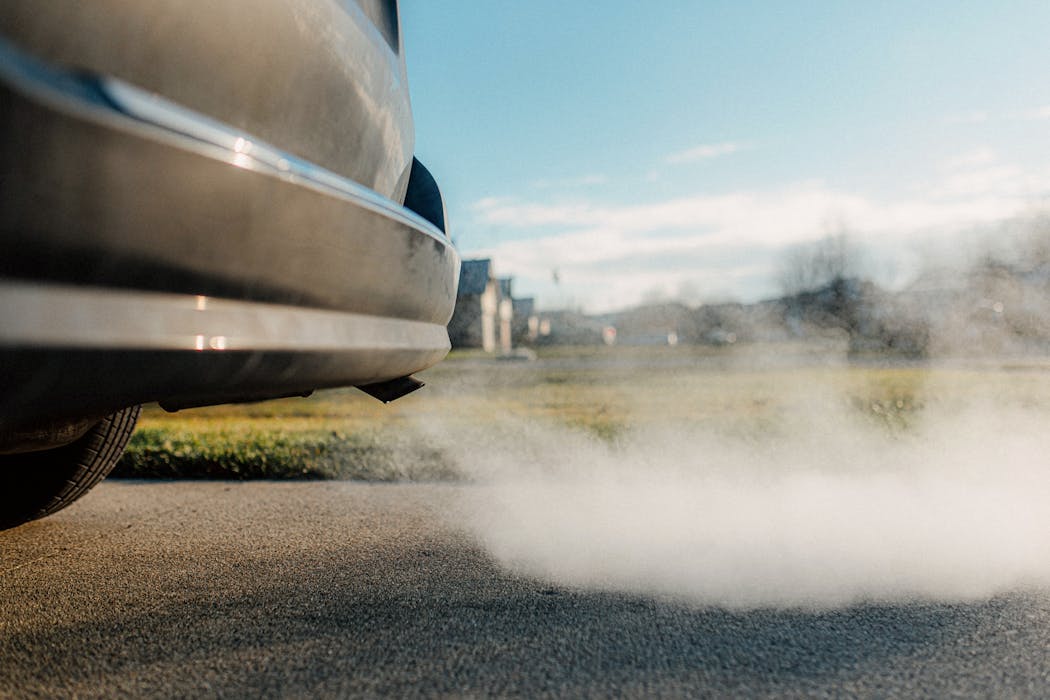
Australia’s transport emissions are climbing. On current trends, it will go from the third largest sector in Australia to the largest within five years. In July, the government introduced the New Vehicle Efficiency Standard – the first laws passed which require new vehicles sold in Australia to meet minimum average efficiency across a carmaker’s fleet.
Before this, Australia was the only OECD country without efficiency standards. The target requires a roughly 50% cut in average emissions for new passenger vehicles across a carmarker’s fleet by 2030 compared to 2025. It is expected to drive EV uptake. But as the standard only applies to new vehicles, the sector’s emissions will come down gradually. If the standard is cancelled, it’s unlikely emissions from the car fleet will come down at all.
Where does this leave us?
If the Coalition is elected, their backdown on net zero suggests many if not all of these policies would be scrapped.
Cheap renewables and storage mean the electricity sector will likely continue to get cleaner even without government policies. But that means about 70% of Australia’s total emissions would be left without policy incentives to drive them down.
That’s not to say the current government’s policies are sufficient to meet long term targets. There are still major gaps for areas such as agriculture, trucking and aviation, while policies targeting industrial emissions leave a significant portion of the sector unchecked.
If the current set of policies were to be scrapped, it’s hard to see how Australia could ever meet its international commitments to cut emissions under the Paris Agreement.
Authors: Roger Dargaville, Assoc Prof. Renewable Energy, Monash University

















