

why desexing dogs isn't always the best thing to do
- Written by: Jessica Dawson, PhD Student in Anthrozoology, La Trobe University
In pet-loving nations such as Australia, nobody likes the idea of dogs churning out litters in squalid conditions or sitting homeless in a shelter.
Responsible dog owners are therefore strongly encouraged to desex their pets, through programs such as national desexing month and low-cost surgery schemes. In some places in Australia, it is even compulsory.
But as we try to limit unwanted dogs, experts estimate there is demand in Australia for nearly half a million new puppies every year.
Read more: Managing mutations of a species: the evolution of dog breeding
Many desexed family pets are the ideal parents of the next generation of family companions, having demonstrated their ability to fit in with family life. Yet by desexing as early as possible, we are removing the best source of happy healthy pets from the doggy gene pool.
We argue there’s room for responsible pet owners and breeders to work together, breeding ideal companion animals and reducing the number of unwanted or unsafe dogs left in shelters.
Read more: Why decisions to desex male dogs just got more complicated
We want happy, loyal pups
People want their dogs to suit their family’s needs: tall or short, short-coated or non-shedding, couch potato or running buddy. We have created hundreds of breeds to meet these preferences. However, Australian pet-owners most value dogs that are affectionate, friendly, obedient and safe with children.
Such dogs are a combination of nature and nurture. Most temperament traits in dogs, including aggression, have a genetic basis. Dogs bred for working roles, such as police work, have physical and behavioural assessments to make sure they can do their jobs well.
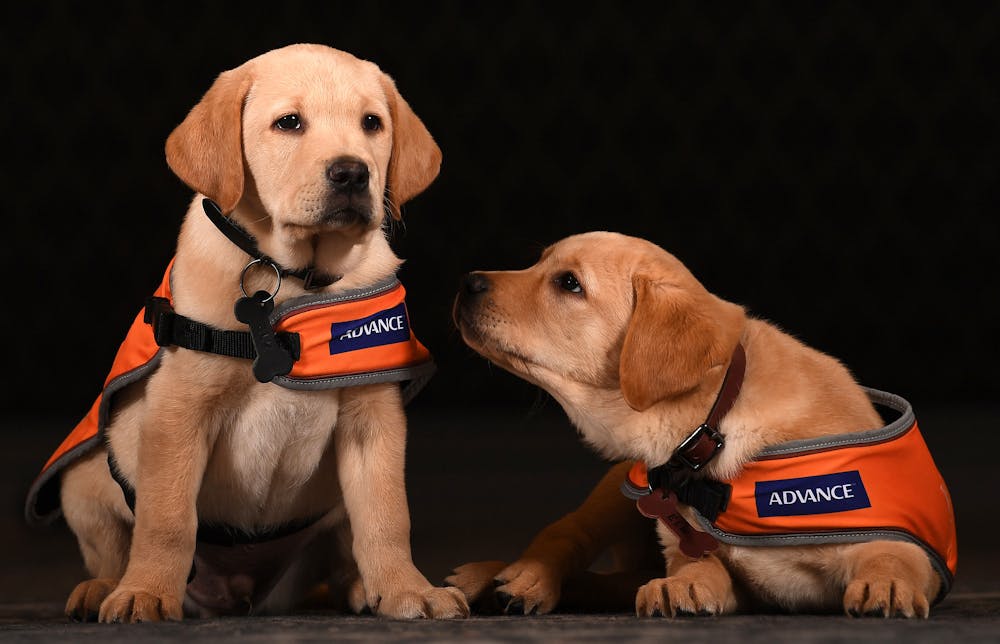 Working dogs are carefully screened for the right psychological characteristics.
AAP Image/Julian Smith
Working dogs are carefully screened for the right psychological characteristics.
AAP Image/Julian Smith
If we treat being a happy and safe companion as a job, we need to select breeding dogs with the right characteristics to succeed. This begins with carefully selecting parents who also have these traits. Many dogs who would breed perfect family pets are themselves family pets, and owners have years of observation to rely on.
A puppy’s early life is also extremely important for creating a suitable pet. Raising them in rich environments, with plenty of affection, equips puppies with important life-skills. For those destined for companionship, this experience includes regular playtime with humans and exposure to life in a modern household. These requirements highlight the need to consider where dogs come from.
Professionals, hobbyists or irresponsible owners
While we don’t have firm data on where Australians get their pets, we can safely assume there are three main sources: commercial breeders, recreational or hobby breeders, and members of the general public who fail to desex their pet dogs.
While new legislation in Victoria targets the worst puppy mills, even the best large-scale commercial operations may struggle to give puppies the attention they need early in life.
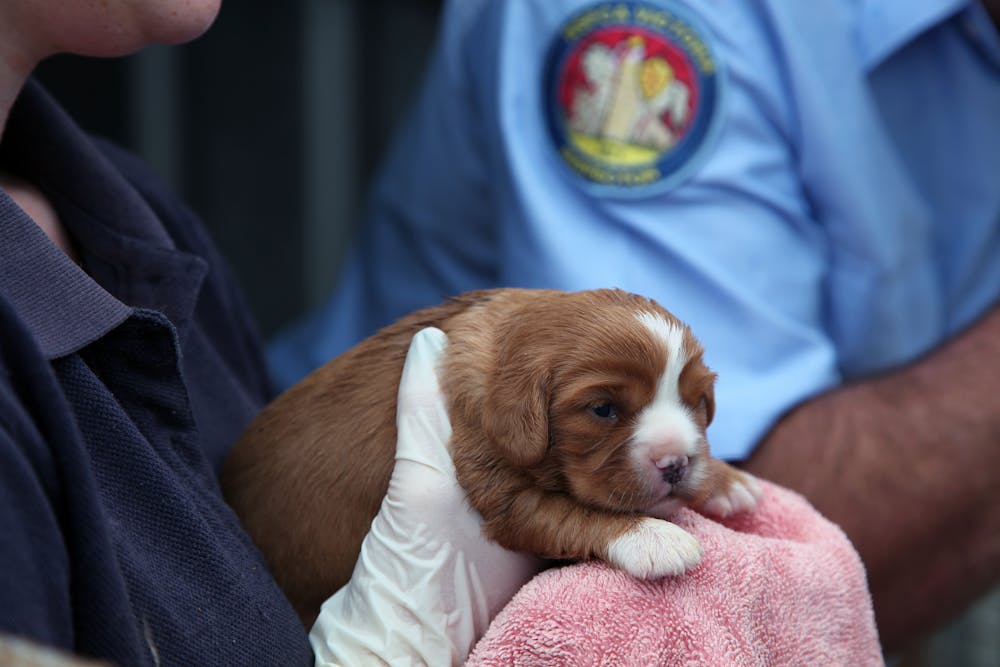 Following raids on illegal puppy farms, Victoria introduced strict anti-pet-shop laws.
AAP Image/RSPCA Victoria
Following raids on illegal puppy farms, Victoria introduced strict anti-pet-shop laws.
AAP Image/RSPCA Victoria
Meanwhile, recreational breeders, who are often strongly motivated to provide the best upbringing possible, may not select their breeding dogs on the basis of their performance as pets.
Instead, they may focus on success in the show ring or pedigree bloodlines, potentially producing very expensive dogs ill-equipped to be great pets.
And what of the traditional source of the family dog – pet owners who fail to desex their pets? If high rates of desexing exclude from the gene pool those really wonderful pet dogs owned by “responsible” owners, and only irresponsible owners allow their dogs to breed, the resulting puppies are far less likely to possess the traits so desired by prospective homes.
One has only to visit a local shelter to see the unfortunate results of accidental matings among the many wonderful dogs seeking a new home. Thousands of dogs are surrendered in Australia shelters every year.
To secure future generations of successful companion dogs, a new approach to breeding is needed. Restricting who can breed, and issuing penalties to those who break the rules, is one strategy that must of course be developed and enforced.
All breeders must be educated about careful selection of parents, and suitable early experiences in breeding puppies that will excel as pets.
But the final piece in the puzzle should be collaboration between responsible breeders and pet owners in the breeding process.
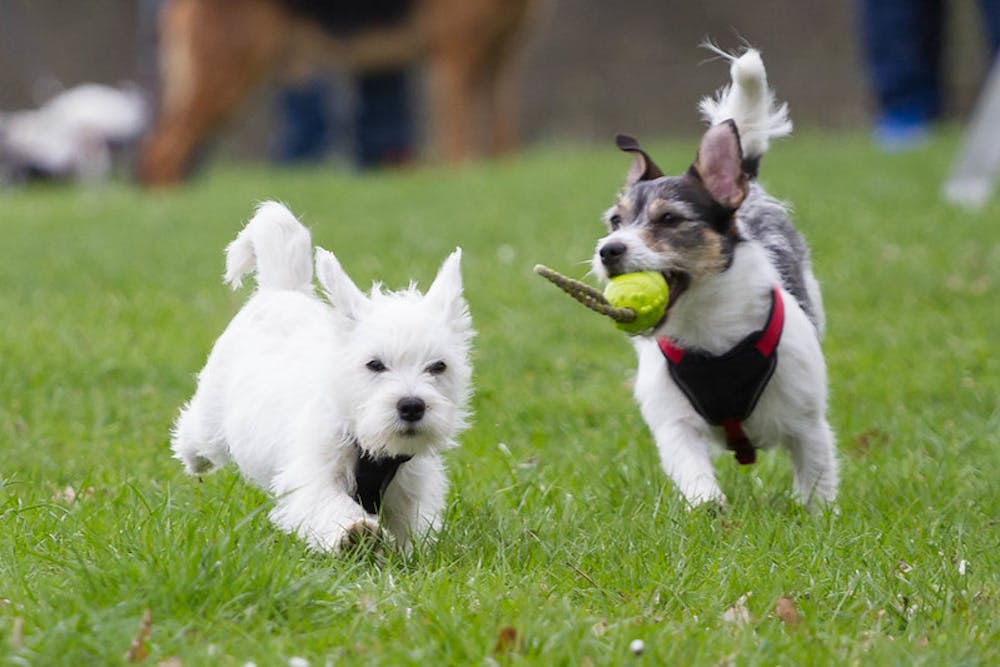 Whosa good boy? Whoosa very good boy? Who’s integrating very well with the family unit? You are! Yes you are!
DORIS META F/Flickr, CC BY-NC
Whosa good boy? Whoosa very good boy? Who’s integrating very well with the family unit? You are! Yes you are!
DORIS META F/Flickr, CC BY-NC
If more responsible dog owners were encouraged not to desex their dogs at an early age, but to wait until their dogs’ physical and behavioural health has been thoroughly demonstrated, the very best companion dogs could be permitted to contribute their genes to the next generation.
Read more: How serious is inbreeding in show dogs?
This more nuanced approach, where owners and breeders work together to identify dogs of exemplary health and temperament, could enrich the companion dog gene pool and result in happier owners, happier dogs, and emptier shelters. Although not desexing companion dogs does carry risks – from behavioural issues to unwanted puppies – we believe this is worth considering. Always discuss your concerns with your veterinarian. Not snipping in haste may be a better option than snipping everything.
Authors: Jessica Dawson, PhD Student in Anthrozoology, La Trobe University
Read more http://theconversation.com/let-it-breed-why-desexing-dogs-isnt-always-the-best-thing-to-do-123013


















