

Half of women at nightclubs recently faced sexual comments, groping, or forced kissing – new study
- Written by Kira Button, PhD Candidate in Psychology, Deakin University
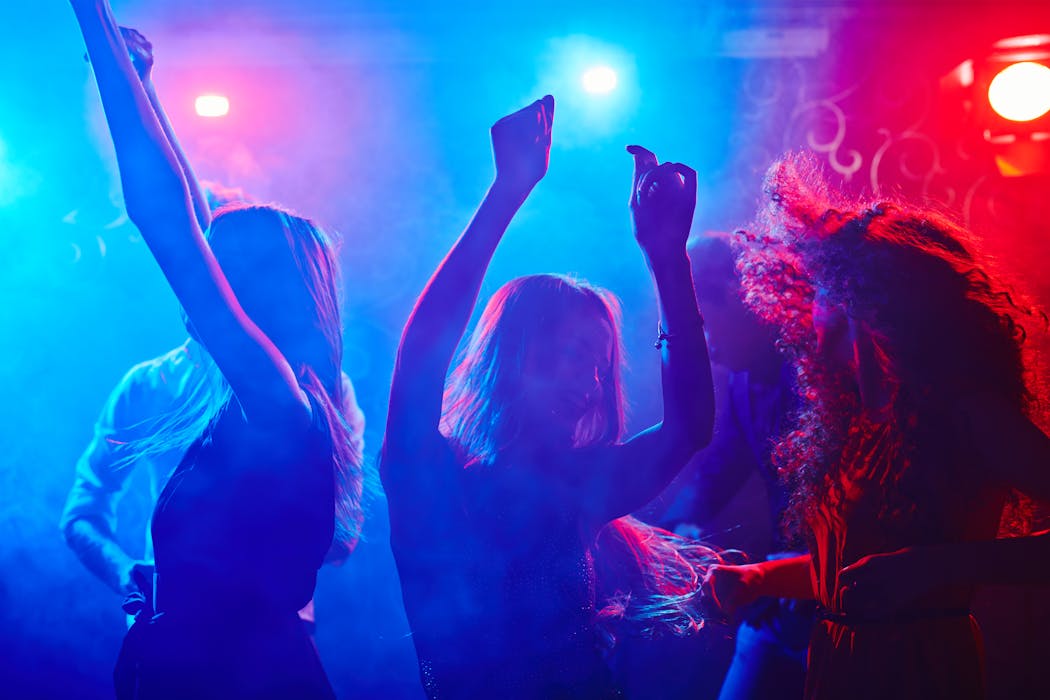
A night out should be about friends, dancing and fun. But our new research shows sexual harm is an all-too-common experience.
We interviewed 232 nightlife patrons in Geelong, Victoria, and found half the women and almost one in three men experienced some form of sexual harm on a night out in the past three months.
Sexual harm included non-physical actions such as leering and unwanted sexual comments, and physical behaviours such as groping and forced kissing.
Despite the high prevalence of sexual harm during nights out, most previous research has focused on what makes someone vulnerable to sexual harm – such as the person’s gender, whether they had been drinking, or how often they go out – rather than how or why the harm occurs.
This has created unreasonable expectations on nightlife patrons, especially women. Patrons are expected to prevent harm by covering their drinks, not going anywhere alone, or pretending to have a boyfriend when approached. These strategies are often described by patrons as “necessary” for staying safe when there are few other protections in place.
However, the design, atmosphere and management of nightlife venues can increase or decrease the risk of sexual harm, as our research shows.
Sexual harm was most likely on the dancefloor
We interviewed patrons immediately after they’d left nightlife venues in Geelong on Saturday nights between December 2022 and February 2023. The patrons were age 18 to 65, with a median age of 21 and an roughly even gender split.
During these interviews, we asked whether they had experienced any sexual harm as well as how loud and well-lit they thought the venues were.
We found unsolicited sexual comments, leering and groping were the most common types of sexual harm most and this was most likely to occur on the dancefloor.
More reports of harm in darker venues
Those who attended darker venues experienced more unwanted sexual behaviour. As lighting ratings increased by one unit, meaning the venue got brighter, the odds of experiencing sexual harm decreased by 27%.
This fits with our observational research conducted inside bars and clubs in the same nightlife precinct which found incidents of groping, unwanted grinding and leering were more frequent in darker, louder and more crowded venues.
When a space is dark, noisy and tightly packed, people may feel a sense of anonymity and believe they are unlikely to be caught if they engage in unwanted sexual behaviours.
These conditions also make it harder for staff and security to detect and respond to unwanted touching or other inappropriate behaviour.
We ran a separate national survey and found that just 35–38% of participants reported their experiences of sexual harm to venue staff or police. Most didn’t report because they believed this kind of behaviour was “normal” in nightclubs, didn’t think staff would take their complaints seriously, felt embarrassed, or were worried that they’d be blamed.
What can be done about it?
Preventing sexual harm in nightclubs and bars cannot and should not rely entirely on individuals managing their own risk.
Governments also need to take sexual harm in nightlife seriously. Introducing minimum lighting standards would be one step forward.
Most workplaces need to meet basic lighting standards for safety. Nightclubs should not be exempt. This doesn’t mean switching on harsh, bright lights, but rather ensuring visibility is high enough for staff and security to identify and respond to harm. This could be achieved with coloured lighting or aiming lights at risky areas such as dancefloors and bar queues.
Governments could trial these requirements in high-risk venues, where reports of sexual harm are consistently high. This would target high-risk venues, while encouraging low-risk venues to maintain and strengthen their existing safety practices.
Venue operators, staff and security need to be more accountable for preventing and responding appropriately to sexual harm in their establishments. Venue owners have the power to create safer spaces if they choose to. They can do this by building prevention and intervention into their venue design and management.
Consistent training and clear response procedures can help ensure reports are taken seriously and acted on. When reports are taken seriously, and the person engaging in this unwanted behaviour receives consequences (such as having the police be called or being removed from the venue), this sends a clear message that sexual harm will not be tolerated.
Recent moves in Victoria and New South Wales to add sexual harassment prevention training to the Responsible Service of Alcohol (RSA) program is a positive step and a practical way to reach hospitality workers.
However, it should not be seen as a standalone solution to nightlife sexual harm. RSA requirements are often poorly enforced, with many intoxicated patrons still being served. The training needs proper oversight and should be rigorously evaluated to determine if it actually reduces sexual harm.
A night out shouldn’t come with the expectation of sexual harm. Better regulation, oversight and accountability are key to making nightclubs and bars safer.
The National Sexual Assault, Family and Domestic Violence Counselling Line – 1800 RESPECT (1800 737 732) – is available 24 hours a day, seven days a week for any Australian who has experienced, or is at risk of, sexual assault.
LGBTQ+ people who have experienced sexual violence can call the Rainbow Sexual, Domestic and Family Violence Helpline on 1800 497 212.
Authors: Kira Button, PhD Candidate in Psychology, Deakin University

















