

How to host a meal if one of your guests has an eating disorder or is anxious around food
- Written by Kathleen de Boer, Clinical Psychologist, Lecturer in Clinical Psychology, Swinburne University of Technology
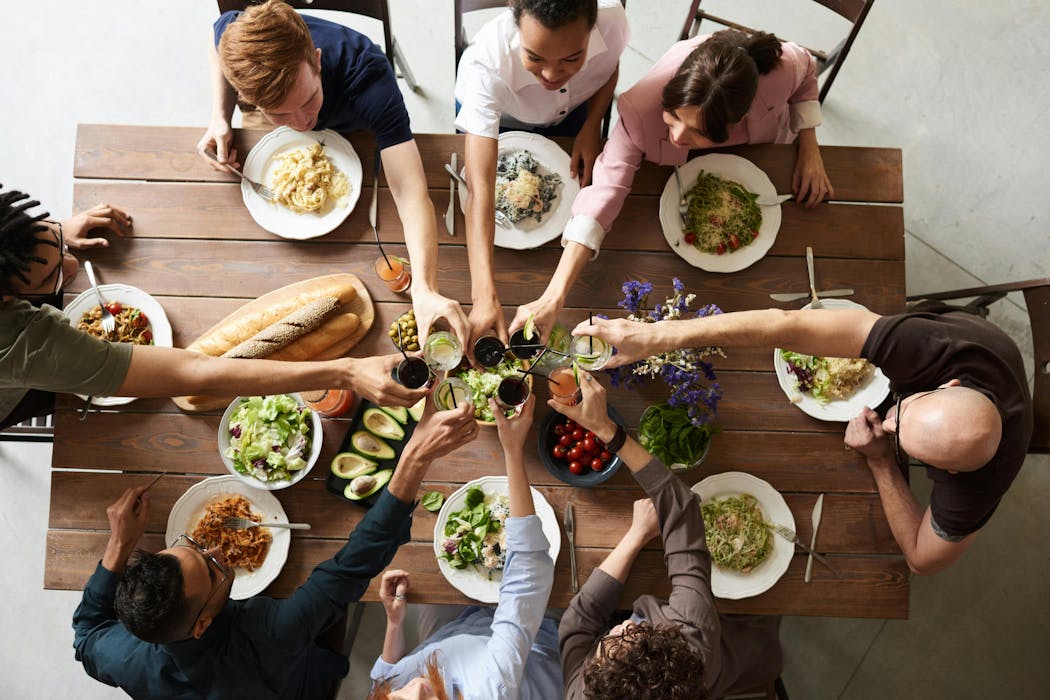
As the festive season approaches, perhaps you’re thinking of hosting friends and family.
You know at least one person who’ll attend who becomes anxious around food and another with an eating disorder.
So, how to host and make sure everyone feels comfortable and supported?
Perhaps you’ve already hosted someone with food anxiety or an eating disorder without even knowing.
First, some definitions
Food anxiety refers to fear or anxiety in response to eating food. This could relate to certain textures and smells, or fear of choking or vomiting. These fears and anxieties can be intense and are associated with mental health conditions, including avoidant/restrictive food intake disorder.
For others, anxiety about food might be based on fear of the impact food could have on their body shape and size. This kind of food anxiety is closely associated with diagnosable eating disorders such as anorexia nervosa and bulimia nervosa.
Eating disorders are among the most rapidly increasing mental health diagnoses in the world, and can be present at any shape or size. These disorders involve negative thoughts about one’s weight, shape and eating. Behaviours people can experience include skipping meals, or feeling like they can’t stop eating.
Eating disorders can have significant impacts on someone’s life, including withdrawing from social circles and hobbies. They’re associated with high mortality rates.
Just because someone experiences some food anxiety, it does not mean they have a mental health diagnosis. It’s also important to consider how this anxiety impacts their life and the level of distress it causes them.
Read more: What's the difference between an eating disorder and disordered eating?
Hiding is common
It’s likely you’ve shared a meal with someone who has an eating disorder, who might be in recovery, or has anxiety around food. A lot of the time, you may not be able to tell, and they might try to hide it because of shame or guilt.
Your nephew at last week’s family barbecue might have binge eating disorder. The cousin who you caught up with for dinner might have a fear of choking and only eats soft foods.
You might not have noticed as people tend to be skilled at hiding their food anxiety. Some common strategies include avoiding shared mealtimes, only choosing certain foods, or saying they have already eaten and aren’t hungry.
So, if you’ll likely share a meal with someone with food anxiety or an eating disorder in the future, how can you host compassionately?
Is it worth adjusting the menu?
Unless someone has made specific requests, it is OK to roll on as usual. It can be helpful to invite guests to bring anything that meets their specific needs. Having variety and allowing people to serve themselves may also reduce food anxiety.
The goal of this meal is not to solve someone’s food anxiety, but to create a safe eating environment for all.
What not to say
At mealtimes, it might be common to comment on the amount or type of food someone is eating, or the way they eat it.
This “food talk” might be comments such as, “why are you only eating potatoes?” These comments can draw unwanted attention to someone’s food choices, increasing food anxiety.
Then there are comments on people’s bodies, shapes and sizes. Or sometimes people comment on the need to diet or skip meals after eating.
For example, people might say “that was so much food, you won’t need dinner tonight”.
While some of these comments may not be intended to hurt, these attitudes often perpetuate harmful messages about what we should and should not eat, how much we should eat, and even how we should look.
These comments can even contribute to body dissatisfaction, a key risk factor in developing eating disorders. Negative food and body talk can also contribute to increased anxiety.
Even commenting on your own eating and body can be a problem. For instance saying, “I need to skip dinner to make up for eating all this” might hurt the people you’re sharing a meal with, particularly if they have an eating disorder. This is because it reinforces and normalises food restriction.
A good rule of thumb is to avoid commenting on people’s food and bodies. And that goes for complimenting someone’s body.
Read more: 5 reasons we shouldn’t ‘compliment’ people who lose weight
What to say instead
As a guest or a host, you can contribute to developing a safe culture around food for everyone. This includes replying to unsolicited food or body comments, whether aimed at you or someone else.
Sometimes replying can be tricky for the person with a food anxiety or eating disorder, so you can also speak up even when the comment isn’t directed at you.
You can say:
- Would it be OK if we didn’t chat about my/their food/weight/body at the moment?
- I’m working hard to focus less on my body at the moment. Let’s talk about something else.
- I find it uncomfortable when you mention my/my friend’s weight/body/eating.
- I hear what you’re saying, but let’s steer clear from discussing my/their appearance/weight/eating.
Some of these suggestions might sound awkward, so offer them gently and personalise however you need.
Why this is important
Ultimately, setting boundaries with family and friends helps create more balance and compassion in how we talk about food and bodies. This can challenge some of the outdated and harmful messages that have become normalised.
Sharing mealtimes are important opportunities to connect with loved ones. Let’s make these experiences safe and inclusive.
If this article raised any concerns for you or someone you know, contact the Butterfly Foundation on 1800 33 4673.
Authors: Kathleen de Boer, Clinical Psychologist, Lecturer in Clinical Psychology, Swinburne University of Technology

















