

More women are using steroids – and many don’t know the risks
- Written by: Samuel Cornell, PhD Candidate in Public Health & Community Medicine, School of Population Health, UNSW Sydney
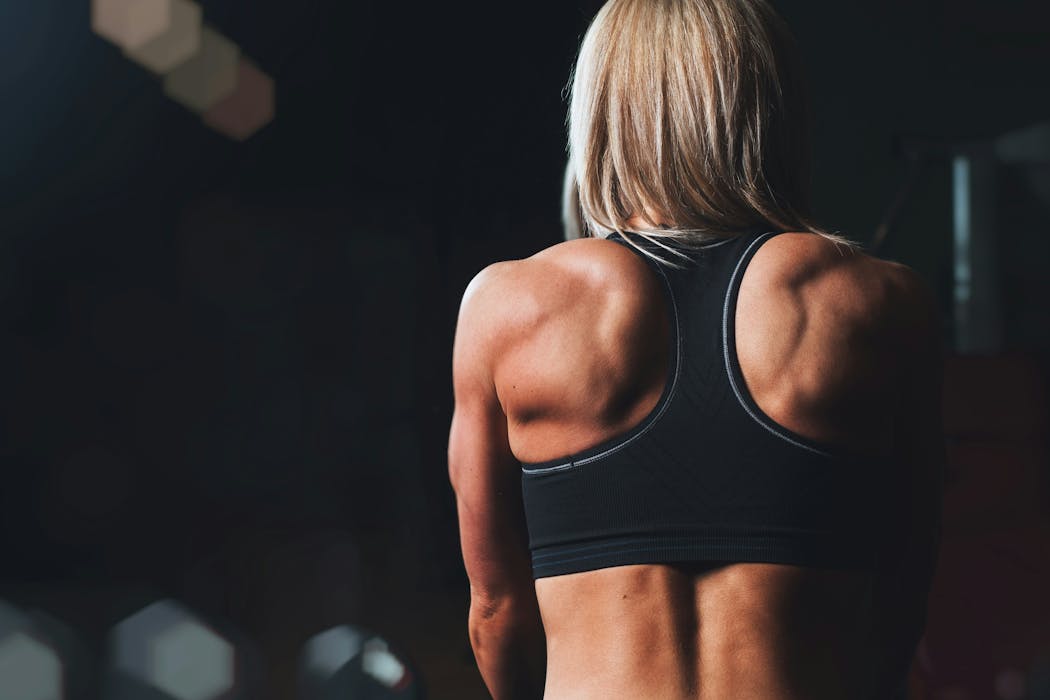
When people think of gym goers using steroids, the picture that comes to mind is often of a man pumping iron, like Arnold Schwarzenegger, or modern day shirtless masculinity influencers like “the Liver King”.
But the image is changing. Women now represent a growing share of people who use steroids. And so harm minimisation efforts, currently targeted at men, will need to change too.
It’s not just men
Research shows women are increasingly represented among steroid-using communities, even though precise long-term trend data are limited.
A 2024 systematic review of international studies found about 4% of adult women had used anabolic steroids at least once, up from 1.6% in 2014.
Among women bodybuilders, nearly 17% – around one in six – report using steroids, and rates among women in strength sports or recreational lifting communities are also markedly higher than in the general woman population.
This emerging evidence suggests the gender profile of steroid use is shifting, even if precise historical rates are not available to confirm the exact scale of the increase.
While we don’t have robust national statistics for Australia, data show the weight of steroids seized nationally increased 1,372% between 2011-12 and 2020-21 (from 33.7 kilograms to 496.8kg).
This trend almost certainly mirrors what’s happening overseas: continued, escalating growth of the bodybuilding and fitness communities, including among women in amateur strength sports.
The boom in women’s strength training and weightlifting since 2021 will benefit the physical and mental health of most who partake in it.
But the simultaneous increase in steroid use may be cause for concern without effective harm reduction via education, health promotion and health services engagement.
3 reasons more women are using them
The reasons are complex but three stand out.
First, the rise of strength sports. Women’s participation in powerlifting, weightlifting and bodybuilding has grown rapidly in Australia since the early 2020s.
These sports have opened up new spaces for women to feel strong, confident and physically capable. But they also expose women to online communities where performance-enhancing drugs are normalised.
Second, the influence of social media. Platforms such as Instagram, TikTok and YouTube are filled with “fitfluencers” showcasing dramatic transformations. Many of these women are seeking the “perfect body”.
Some openly promote steroid cycles and other chemical shortcuts. Women who follow these influencers – often for training or nutrition advice – can end up in online spaces where performance-enhancing drugs are normal.
Third, many women are being encouraged or “brought into” performance-enhancing drugs use by others.
Qualitative research from Australia and Scandinavia shows women often start using steroids through male friends, partners or coaches, who may position these drugs as necessary for progress or competition.
Of course, taking any performance- or image-enhancing drug is not without risks.
The dangers are real
While steroids carry risks for everyone, women may face unique and irreversible side effects.
- facial and body hair growth
- deepening of the voice
- menstrual changes or infertility
- breast tissue reduction
- acne and hair loss
- clitoral enlargement
- severe mood changes, including anxiety and irritability, among other symptoms.
And beyond these risks, emerging Australian research shows another danger: many underground steroid products contain toxic contaminants such as lead, arsenic and cadmium – substances linked to cancer, organ damage and cardiovascular disease.
The biggest long-term risks are the ones people rarely talk about: heart disease, stroke, liver damage and mental health problems.
Interviews with women who use steroids show many are less informed than men about these dangers, often because the research has historically focused on male use.
There is also the issue of stigma. Women report being judged more harshly than men when seeking medical help and some avoid health services entirely.
That leaves them more vulnerable to complications.
How do we turn this trend around?
Policing steroid use in isolation won’t work. Nor will repeating the old message that women should simply “just say no.”
The evidence suggests three promising approaches.
1. Better health promotion education that actually speaks to women. Most steroid information online is written for men, by men. Health agencies need to produce clear, accessible, women’s resources that explain risks honestly and without shame.
2. Meeting women where they are. Social media is where many women learn about these drugs, so it should also be where they see accurate information. This may include partnering with credible fitness influencers – especially women – who can explain risks, promote safer training practices and counter misinformation.
3. Reducing stigma in healthcare. Women who use steroids may avoid doctors because they fear judgement. Training clinicians to respond without moralising – the same way we approach other drug-related issues – would make it easier for women to seek support early.
Sonya Weith, a peer educator at Queensland Injectors Voice for Advocacy and Action, provided an expert review of this article.
Authors: Samuel Cornell, PhD Candidate in Public Health & Community Medicine, School of Population Health, UNSW Sydney
Read more https://theconversation.com/more-women-are-using-steroids-and-many-dont-know-the-risks-271183


















