

why this Japanese folk craft movement still matters 100 years on
- Written by: Penny Bailey, Lecturer in Japanese Studies, The University of Queensland
On January 10 1926, Yanagi Sōetsu and the potters Hamada Shōji and Kawai Kanjirō sat talking excitedly late into the night at a temple on Mt Kōya, in Japan’s Wakayama Prefecture.
They were debating how best to honour the beauty of simple, everyday Japanese crafts. Out of that conversation came a new word, mingei, and a plan to found The Japan Folk Crafts Museum in Tokyo. Later, Yanagi would describe what emerged that night as “a new standard of beauty”.

A century on, Yanagi’s ideas feel strikingly relevant. His message was simple: beautiful things need not be rare or expensive – they can be well-designed objects that we use every day.
In an age of fast fashion, disposable products and growing concerns about waste, his approach offers an important reminder to think about the objects we choose to have around us.
How mingei was born
Yanagi (1889–1961) was an art critic and collector who believed beauty was not solely the preserve of famous artists or rare treasures. He and his friends were drawn, instead, to well-made and functional objects: bowls, baskets, fabrics and tools created for daily use, rather than to display.
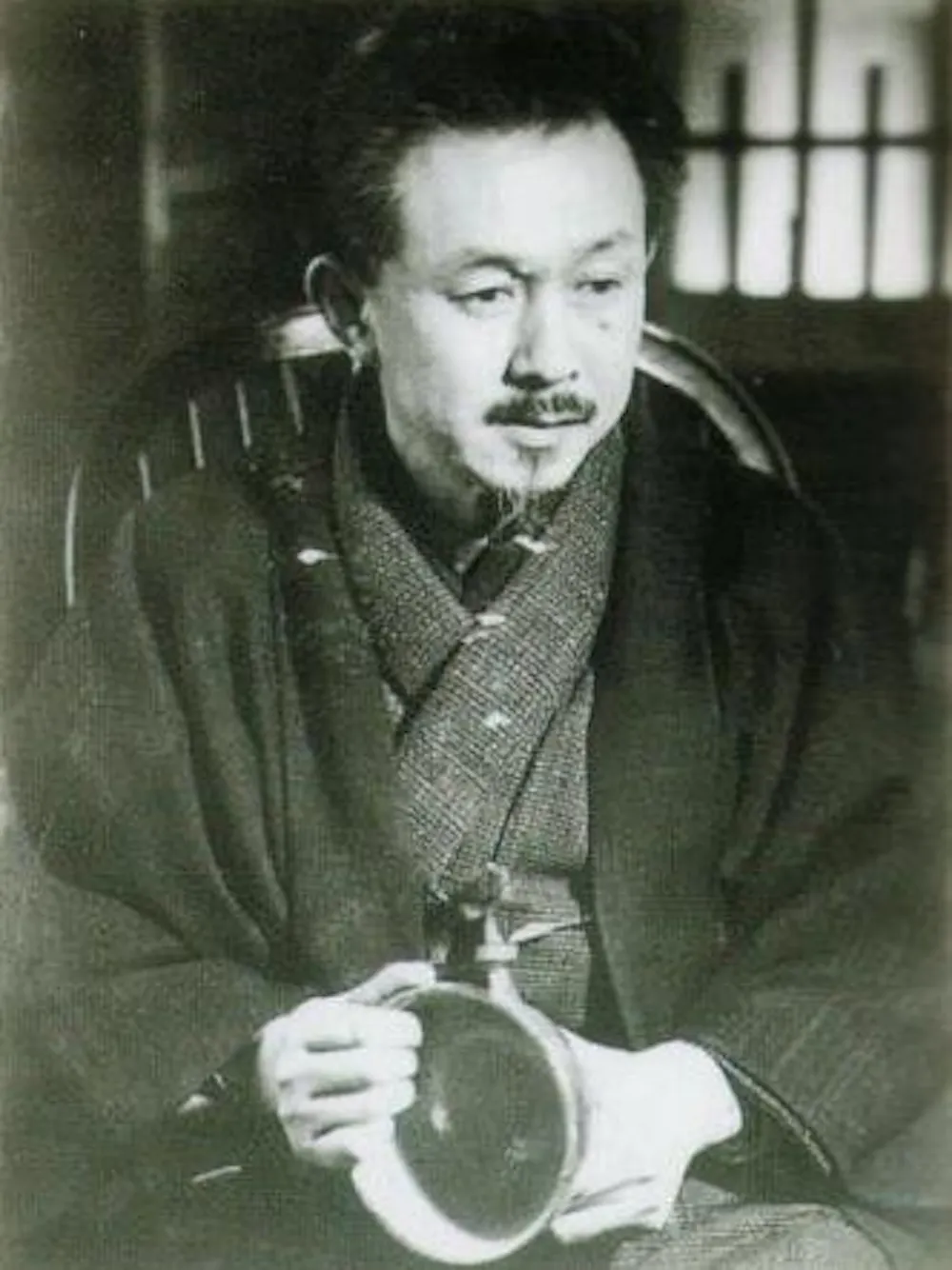
To Yanagi, these simple things shaped the rhythm of daily life – yet had gone unnoticed in a world rushing toward modern mass production.
The attraction came from looking closely. Yanagi described it as “seeing with one’s own eyes before dissecting with the intellect”. He admired the work of anonymous craftspeople who repeated familiar forms, refining them through long periods of practice.
These makers did not seek fame; their goal was to create objects that balanced beauty and function so completely that they were inseparable.
Japan in the 1920s was changing fast. Mass-produced goods were replacing handmade ones, and many local craft traditions were in decline. Yanagi worried this shift would erase skills and weaken the bond between beauty and everyday life. Mingei aimed to bring this connection back into view.
Yanagi, Hamada and Kawai agreed they needed a new word for the kind of objects they wanted to celebrate. From minshuteki kōgei, meaning “craft of the people”, they coined the shorter term mingei. It describes objects made for use rather than prestige, and by hand rather than by machine. Yanagi believed these objects formed the true heart of Japanese craft.
A year after their Mount Kōya conversation, the group held their first folk craft exhibition in Ginza. None of the works carried signatures. The exhibition aimed to encourage a new way of looking at humble objects, suggesting that everyday things held artistic value when viewed with care.
 A thrown bowl by Bernard Leach.
Wikimedia, CC BY
How mingei shaped Japanese design
Yanagi’s ideas went on to shape Japanese craft and design throughout the 20th century, influencing not only craftspeople but also designers.
His son, Yanagi Sōri, adopted mingei principles in his famous 1954 Butterfly Stool, made from two curved pieces of plywood that meet like wings. Simple, balanced and light, the stool is now an icon of modern design, showing how mingei could take form in new materials and contexts.
 The maple veneer Butterfly stool designed by Yanagi Sōri.
David Wong/South China Morning Post via Getty Images
The movement also shaped the work of Hamada and Kawai, and many other makers including Tomimoto Kenkichi, Serizawa Keisuke, Munakata Shikō and the Englishman Bernard Leach. They showed how traditional craft practised with care and humility could remain vital in a rapidly changing world.
Another branch of Yanagi’s legacy emerged with the rise of seikatsu kōgei, or “lifestyle crafts”, in the 1990s. These makers turned to simple, functional objects to reconsider how we live. After Japan’s economic bubble burst in the 1980s, many began to question the habit of buying and discarding.
Why Yanagi’s ideas matter today
The influence of mingei continues in contemporary design. Fukasawa Naoto – one of Japan’s most influential designers and the current director of The Japan Folk Crafts Museum – aims to create objects which work so naturally that they seem to disappear into daily life.
He describes this as “without thought” design: things that feel right in the hand, fit their purpose and do not demand attention. His long collaboration with MUJI, known for its pared-back products, shows how closely his work follows the mingei spirit.
This way of thinking sits in sharp contrast to how many goods are made today. A culture of fast buying and quick disposal has left people feeling disconnected from the act of making, from materials and from the things they own.
 Former Japanese Emperor Akihito and Empress Michiko visiting The Japan Folk Crafts Museum, during a 2017 exhibition commemorating the 80th anniversary of the museum.
Yomiuri Shimbun/AP
Mingei offers an alternative way of thinking. It invites us to look closely at the objects we use each day – to notice their shape, feel and purpose. It suggests beauty should be part of everyday life, not an escape from it.
Yanagi believed if we change how we see and choose ordinary things, we might also change how we live. A century later, his call to value simple and well-made objects offers a steady guide through our profit-driven, disposable world.
Authors: Penny Bailey, Lecturer in Japanese Studies, The University of Queensland





















