

4 lessons NZ should take from another summer of weather disasters
- Written by: Iain White, Professor of Environmental Planning, University of Waikato
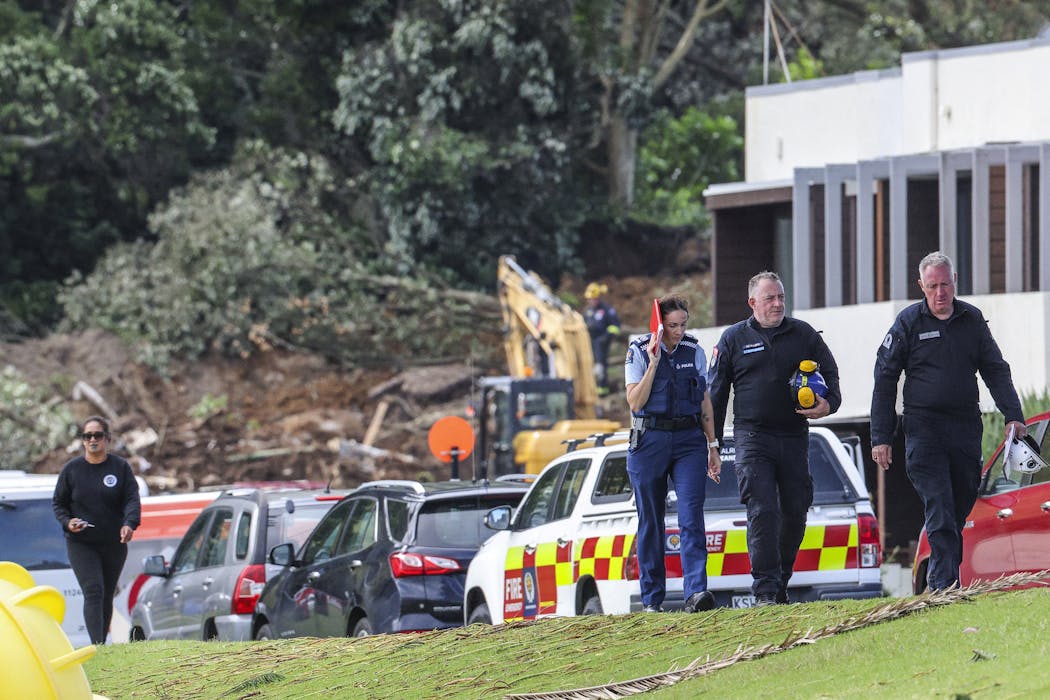
Another summer of extreme weather has destroyed and damaged homes, cut off communities and, in the most tragic cases, left families mourning their loved ones.
It reminds us that New Zealand is one of the most natural-hazard-exposed countries on Earth. Severe weather is common, major cities sit in low-lying areas and steep landscapes are prone to landslips.
Added to these risks are earthquakes, volcanic eruptions, storm surges, tsunami, drought and wildfires. As the climate continues to change, many of these hazards are likely to pose an even greater risk to people and property.
Amid January’s storms, there was public grief for those who perished – and genuine gratitude for the emergency responders, marae and neighbours who stepped in to help.
The events also reignited discussion about what we learn from disasters, the role of science and trusted agencies, and what can be done to reduce harm before the next event strikes.
Indeed, this summer’s experience, and a building body of research, tell us there are clear lessons to be learned – if we are willing to act on them.
Lesson 1: Hazards are natural. Disasters are social.
Natural hazards can emerge slowly as accumulated stress, or arrive suddenly as an acute shock. Disasters, on the other hand, occur only when hazards intersect with people, infrastructure and decisions. This is why disasters are not just physical phenomena, but social processes.
Natural hazards and resilience research consistently shows that how information is communicated, decisions are made and responsibilities are shared directly shape public trust and how communities cope and recover.
Research following Cyclone Gabrielle in 2023 found that after disasters, public trust is fragile, distress is widespread and communities are acutely sensitive to who communicates, how and when.
In this environment, misinformation is to be expected, but it is not inevitable. Evidence shows it can be countered through communicating what is known – and what is yet not known – in a clear, authoritative and targeted way.
Lesson 2: Growth can reduce risk – or lock it in
Living in a hazardous country requires communities and decision-makers to think differently about how risk is managed, and how growth and development are planned.
Research highlights the importance of avoiding future liabilities by adopting evidence-based, nationally consistent approaches that take account of natural hazards and climate risks in decisions made today.
That may mean steering development toward safer areas or investing in “no-regret” infrastructure designed for resilience even if the worst climate or hazard scenarios don’t eventuate.
Regulation can help, but there are other levers to pull. For example, giving communities and real-estate markets clearer information about the risks can enable risk reduction responses.
The alternatives are well known – and are high priced. Relocating communities from high-risk areas is difficult and expensive. Retrofitting protection is similarly costly, while changing urban space is often contested.
From a long-term perspective, the smarter option is to link spatial planning with hazard modelling and climate scenarios to grow well and use science to avoid exposure where possible, rather than pass escalating liabilities on to future generations and ratepayers.
Lesson 3: How we frame extreme events matters
For decades, significant natural hazard events in New Zealand have been described as rare, exceptional or “once in a generation”. This language is a poor fit for the lived reality.
Treasury has warned there is an 80% chance of another Cyclone Gabrielle-scale event within the next 50 years. In other words, extreme weather events are more likely to occur; they are not an anomaly.
The National Climate Change Risk Assessment for New Zealand explains that climate-driven events are likely to increase in frequency, intensity and complexity.
When events are framed as unprecedented – and even if they indeed are – then it becomes easier for decision-makers to defer action. Words matter. Labelling these events as “one-offs” encourages short memories and short-term fixes, rather than sustained risk reduction.
Lesson 4: NZ must bridge its ‘knowledge-action gap’
New Zealand produces world-leading natural hazard research. Its scientists today largely understand rainfall thresholds, slope instability, flood behaviour, liquefaction, infrastructure vulnerability and cascading risk far better than even 15 years ago.
Yet this knowledge still struggles to consistently shape land-use planning, infrastructure investment, emergency preparedness and recovery decisions. Recent research showed that 97% of government spending was on responding to, and recovering from, disasters. Only 3% was spent on risk reduction and resilience.
Being proactive and closing this “knowledge-action gap” requires balanced research that is designed not only to generate evidence, but also to support decision-making in policy, practice and communities.
It also demands working with the people and organisations that already make a difference on the ground. Māori-led research following Cyclone Gabrielle shows that marae and iwi health providers were central to community survival and recovery, often stepping in where formal systems were delayed or absent and carrying the cumulative effects of repeated events.
Like other nations grappling with this issue, Aotearoa needs to continue to move from more response-led thinking to more strategic evidence-led prevention.
That means bringing together engineering, data, social science, economics, adaptation planning and mātauranga Māori into one coherent, multi-hazard approach.
Given the varied nature of the different perils we face, we also need a deeper understanding of each hazard in order to allocate resources effectively for pre-event mitigation, enable synergies and get the best outcomes.
Ultimately, the latest weather disasters leave us with a simple conclusion: if New Zealanders want things to stay the same as much as they can in a warming world – to protect safety, wellbeing and prosperity – then things will have to change.
Authors: Iain White, Professor of Environmental Planning, University of Waikato
Read more https://theconversation.com/4-lessons-nz-should-take-from-another-summer-of-weather-disasters-275437


















