

debunking 5 myths about traumatic brain injury in NZ
- Written by Kelly Jones, Associate Professor of Pediatric Neuropsychology, Auckland University of Technology
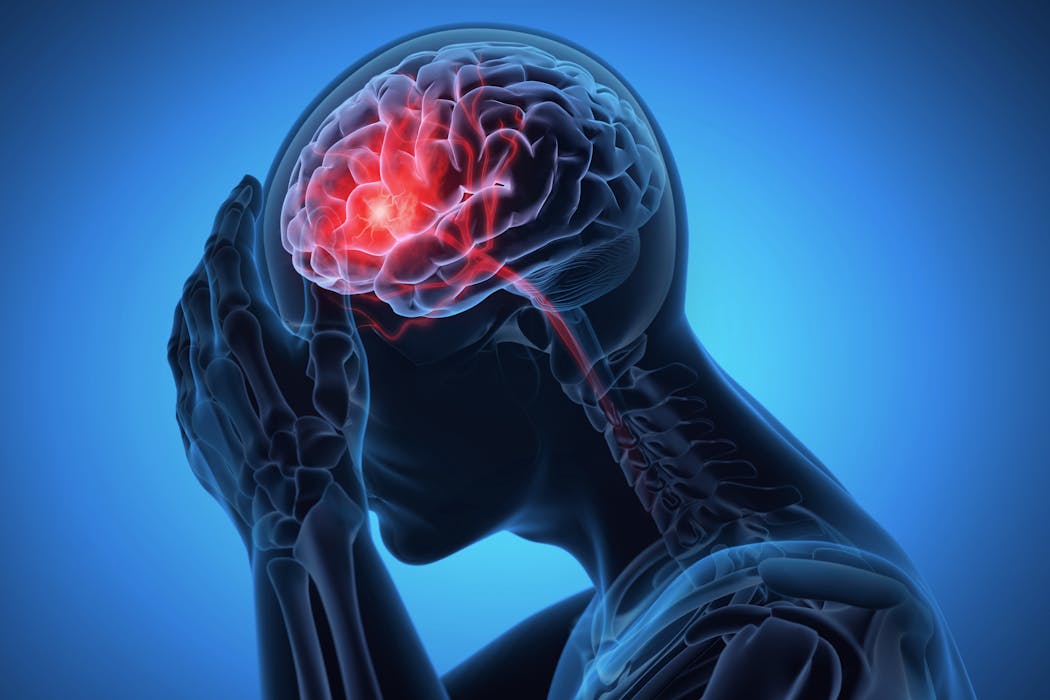
Touching the lives of an average 110 people each day in Aotearoa, traumatic brain injury (TBI) is much more common than any of us would like it to be.
Yet it is often misunderstood, underestimated and too easily dismissed as someone else’s problem.
We know these injuries – sustained when the brain is damaged by a force such as a fall or a knock – can cause effects ranging from mild, short-term symptoms to serious, long-term disability.
But there is still much to learn about who is being injured, where it happens and what is causing it.
To answer these questions, we examined traumatic brain injury cases recorded in the Waikato population in 2021–22, then compared the results with a similar study we ran a decade earlier.
Our newly published findings help to debunk some common and enduring myths about a health risk that is neither inevitable nor beyond our control.
Myth #1: Most traumatic brain injuries are severe
While these injuries can often be devastating for those affected, our study found that most cases (93%) were mild in severity, such as concussion.
At the same time, the number of traumatic brain injuries adds up to a far bigger problem than many realise. We found that for every 100,000 people, 852 experienced a traumatic brain injury – meaning at least 40,000 New Zealanders are affected each year.
Myth #2: It’s a sports and car crash problem
We often associate traumatic brain injury with head blows sustained in car crashes, on the sports field or during fights or assaults. While media coverage of concussion in sport has done much to raise awareness of the issue and its impacts, the more ordinary reality is that most cases are caused by falls.
Data from both our studies showed this leading cause – whether from someone tripping or falling off something – accounted for nearly half of all traumatic brain injuries, with a similar proportion of all cases occurring in the home.
Myth #3: Only young people are vulnerable
Young people are commonly considered most vulnerable to traumatic brain injury; our data did indeed show children aged 0–4 among the groups more likely to experience it.
Yet our most recent study found the largest share of these injuries occurred in adults aged 65 and over, mostly due to falls (39%). This is a worrying trend, especially given New Zealand’s population is on track to include around one million people aged 65 and over by 2029.
Myth #4: Risk looks the same for everyone
We also found higher rates among males and Māori. Among Māori in particular, this elevated risk likely reflects persistent disadvantages such as lower incomes, poorer housing, barriers to education and healthcare and ongoing impacts of colonisation.
Some patterns appear to reflect the period in which the study was conducted. During the COVID-19 pandemic, we observed more traumatic brain injuries among females aged 15–64 due to assault.
This increase coincides with pandemic-related pressures on jobs, mental health, and family and social life, and aligns with wider evidence of increased violence against women during that period. Brain injury linked to intimate partner violence remains an important area of concern in New Zealand.
We also recorded fewer injuries among children (aged 0–15) and people living in rural areas. But this may say less about true risk and more about COVID-19 restrictions, difficulties accessing healthcare and evidence that some parents avoided doctors and hospitals because of fears about infection.
Myth #5: Traumatic brain injuries are unavoidable
Much as we might like to think of brain injuries as an unfortunate fact of life, they are not inevitable. Many are preventable.
Our data suggest there is still more to be done – especially for younger and older people and in Māori communities – even though a wide range of prevention efforts already exist.
There are government-funded fall prevention programmes. ACC’s Community Strength and Balance classes aim to keep older people strong, steady and safe from falls. Safekids Aotearoa delivers home safety programmes and free safety devices to help prevent serious injuries, such as falls, in young children.
Kaupapa Māori-based (Māori-led) fall-prevention programmes – such as Taurite Tū, a strength and balance wellness programme – have been designed by Māori for Māori aged 50 and over and their whānau.
Public health messaging also plays an important role in encouraging people to take responsibility for keeping themselves and their communities safe – for instance, through ACC’s “Have a hmmm” campaign.
Prevention has also attracted growing interest from the private sector, with major investment in new technologies designed to lessen the risk of falls and head injuries, including smart-home devices and wearable technology.
But what matters most is careful evaluation. We need to be confident that these investments really make a difference and that efforts are focused on those with the greatest need.
That will require working with younger and older people, their families and carers, and Māori communities to design, deliver and assess prevention efforts.
The author acknowledges the contributions of study collaborators Nicola Starkey, Shanthi Ameratunga, Alice Theadom, Braden Te Ao, Laura Wilkinson-Meyers, Irene Zeng and Valery Feigin.
Authors: Kelly Jones, Associate Professor of Pediatric Neuropsychology, Auckland University of Technology

















