

why it’s hard to sleep when you’re somewhere new
- Written by Charlotte Gupta, Sleep Researcher, Appleton Institute, HealthWise Research Group, CQUniversity Australia
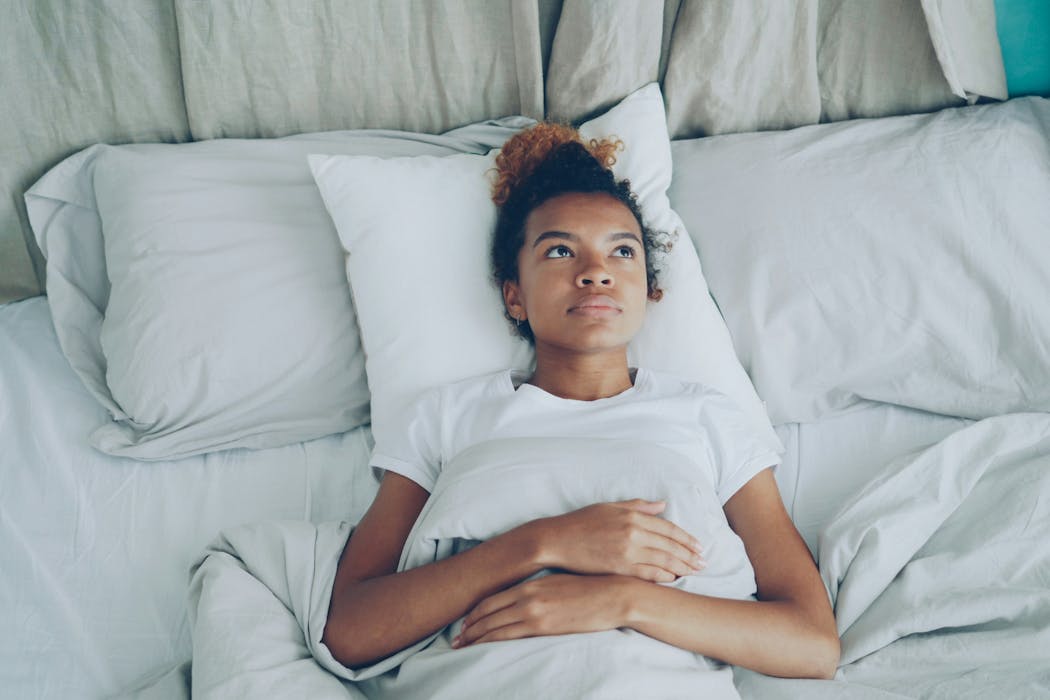
It’s nighttime and you’re exhausted. But the hotel bed feels wrong. The mini fridge won’t stop making that low, irritating hum. The power outlet lights feel brighter than the sun. Outside, random car honks and noises make sleep feel like a distant possibility.
Many of us struggle to sleep in new environments, even when we’re physically tired. But why? The short answer: a mix of biology and psychology.
Broken routines and missing sleep cues
Your brain is wired for predictability, especially at night, during our most vulnerable behaviour: sleep.
A combination of internal and external cues work together to create the right conditions for rest.
Internally, your body signals that it’s time to sleep by decreasing core body temperature and increasing the sleep-promoting hormone melatonin. This makes you less alert.
Externally, your environment needs to support these signals, not compete with it. At home, your typical pre-sleep wind-down habits and familiar surroundings tell your body it is safe to sleep.
But sleeping somewhere new often disrupts these sights, sounds and sensations your body relies on.
There may be different light levels (for example, from hotel room clocks or street lights), unfamiliar noises (such as elevators, traffic and neighbours) and different bedding (for instance, a firmer mattress or softer pillows).
And you may be doing different activities, such as eating out late or working on a laptop on your bed.
An alert brain in a new place
From an evolutionary perspective, lighter sleep or more frequent awakenings when we’re somewhere new may be protective, allowing us to detect potential threats more quickly and respond to danger.
This is known as the “first-night effect”. It means when we sleep somewhere new, our brains don’t fully switch off.
Brain activity recordings have shown that during the first night in a new environment, the left side of the brain remains more responsive to unfamiliar sounds, even during deep sleep, compared to the second night. Once we become familiar with the space, this vigilance usually fades.
But even when we start to get used to a new environment, other factors can still interfere with our sleep.
Stress, travel and emotions
Sleeping in a new environment can also be stressful.
Your brain may be running through logistics and to-do lists, thinking about your early flight, or scenarios where you forget important belongings. Maybe you’re also experiencing jet lag.
Emotions such as homesickness, excitement, anticipation or anxiety can disrupt sleep as well. Even positive stress – for example, feeling excited about a big trip – activates the same arousal systems in the brain as negative stress. The brain doesn’t distinguish why those systems are switched on.
Unfortunately, a heightened arousal system and sleep are competitors. When your stress response is active, it directly interferes with the brain’s ability to disengage and transition into sleep, even when you’re physically exhausted.
But some people actually sleep better away from home
For some of us, being away from home can actually remove everyday distractions: there are no household responsibilities, no unfinished tasks competing for attention, and clearer boundaries between “work time” and “rest time”.
The change of environment may also reduce bedtime rumination, which is often triggered by familiar home environments tied to stress, deadlines or to-do lists.
Better sleep when we are away may be to do with the amount of sleep we usually get at home. Research shows that individuals who are not getting enough sleep at home are likely to get better sleep when travelling.
If your sleep improves when you’re away, it might be an opportunity to consider how stimulating or busy your usual sleep environment has become – and what you can do to make it calmer.
Tips for sweet dreams at home or away
Reassure yourself. If you have a rough night of sleep in a new place it doesn’t mean something is “wrong” with you. It’s a normal, protective response from a brain that’s tuned to safety and familiarity. You might need a night or two to settle in.
Choose sleep-friendly accommodation when you can. Many hotels are deliberately designed to support good sleep and these features, such as pillow menus, melatonin-rich foods on the room-service menu, or even a personal sleep butler, can make a real difference.
Plan for a slower first day. If you know you’re sleeping somewhere new, expect that the first night might not be your best. Where possible, avoid scheduling demanding tasks the next morning and give yourself time to adjust.
Pack your sleep routine in your suitcase. Just as parents might do for their small child, pack your sleep routine with you. If you have a particular pillow case or a sleep mask, or a certain scent that helps you sleep at home, try bringing these with you so your brain has some familiar cues in an unfamiliar environment.
If you notice you sleep better away from home, take a look at your home sleep routine and environment. Keep your room cool and dark and make your bed comfortable with supportive pillows and fresh bedding. Establish a relaxing wind-down routine: dim lights and limit screens in the evening, and stick to consistent bed and wake times, even on weekends.
Authors: Charlotte Gupta, Sleep Researcher, Appleton Institute, HealthWise Research Group, CQUniversity Australia

















