Parks are sanctuaries but can also harbour disease – here’s how to protect yourself
- Written by: Katherine M. Robertson, PhD student, The University of Melbourne
Parks are vital public spaces. This is especially true if you’re a parent with energetic children, or an office worker searching for a peaceful lunch spot.
But parks are also ideal environments for infectious diseases to spread, particularly through critters who carry harmful pathogens. This is because, unlike other public spaces, they are designed to connect humans and nature.
There’s a long list of diseases that may be found in parks. They range from those caused by direct contact with infected animals to others spread by mosquitoes, ticks, and fleas. Some of these diseases cause only mild symptoms, while others can have severe or life-long consequences.
Our new study looks at how we interact with parks and green spaces, and how this may increase our exposure to disease.
The good news is, there are ways we can reduce this risk.
What’s the link between parks and disease?
If you regularly visit parks, our research suggests there are several factors that may increase your exposure to disease. Here are three.
Domestic pets
Our study shows domestic animals, such as cats and dogs, are a substantial disease threat. One reason is when they poo in parks and public gardens, they often contaminate soil and water sources.
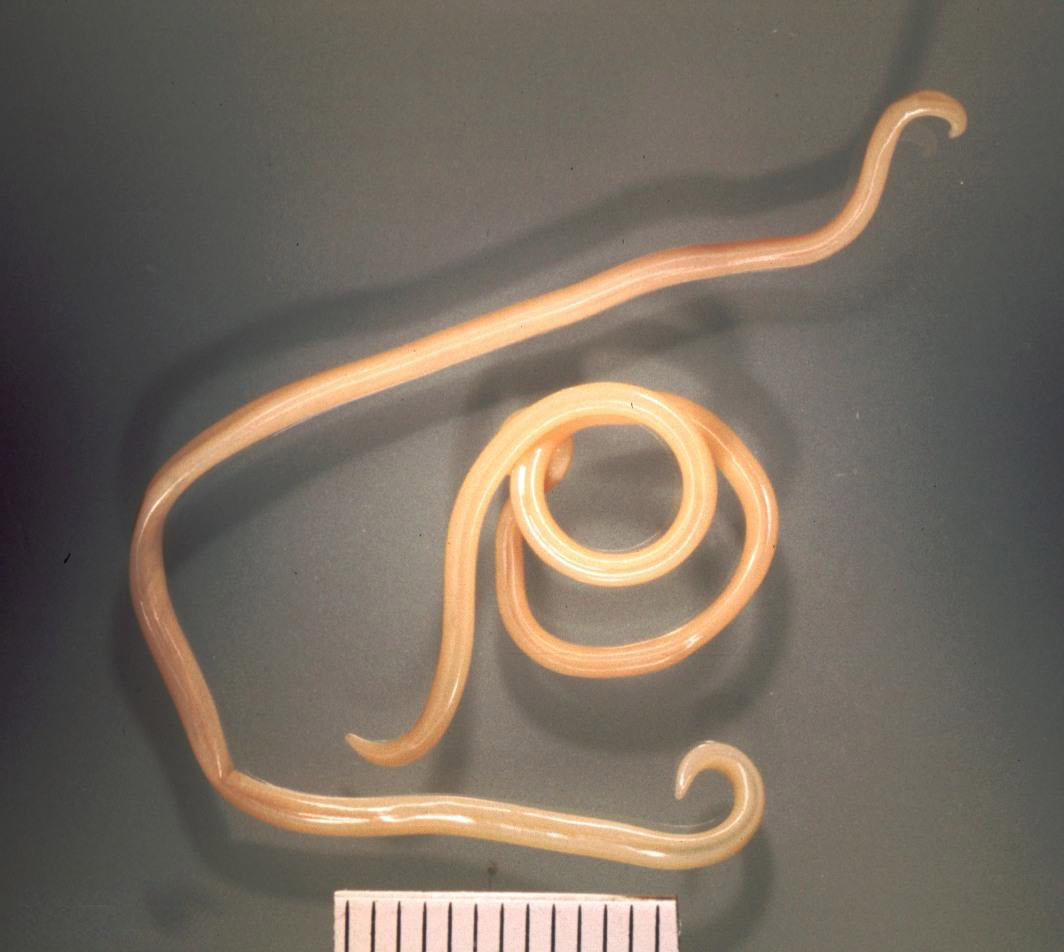
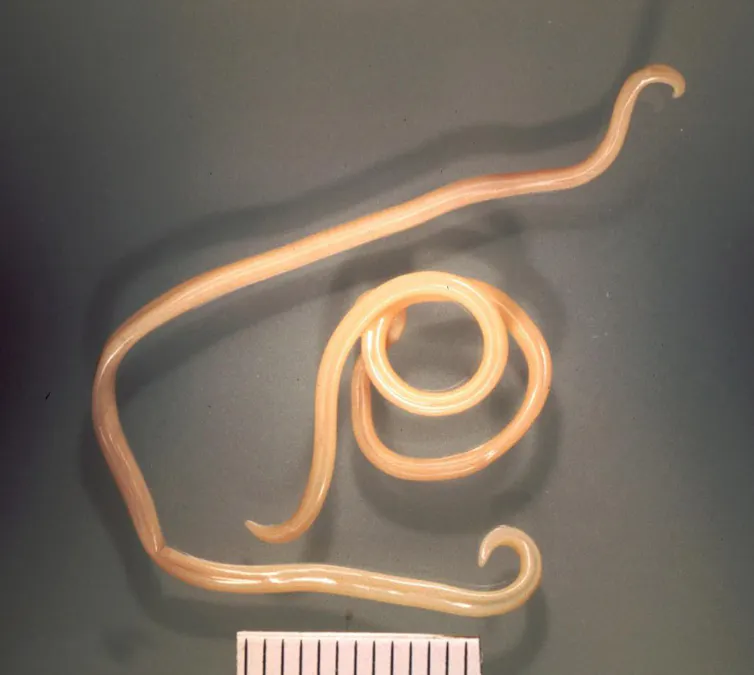
Domestic pets may also carry roundworms, a long tube-shaped parasite that infects an animal’s intestines. Research suggests we often find more roundworms in parks where cats and dogs are present.
This is particularly dangerous for children under four. These young children often eat dirt, a common practice known as geophagy, which increases their risk of ingesting infected eggs that are commonly found in soil.
Food waste
Food-related waste, such as uncovered rubbish bins, are another source of disease risk. If not properly discarded, food waste can attract rodents and foxes. This can turn our beloved BBQ and picnic areas into potential disease hotspots.
Food waste may also attract other animals, such as dingoes, which we don’t usually find in cities and suburbs. These animals carry different pathogens and may expose parkgoers to new diseases.
Insects and parasites that carry disease
Mosquitoes and ticks are common disease vectors, or living organisms which carry disease from one infected person or animal to another. In parks and green spaces, mosquitoes are the main concern. This is because they often breed in stagnant water, such as shallow ponds and lakes.
The role of humans
Animals, insects, and parasites aren’t the only source of disease in parks. Humans spread pathogens too.
We do this through common, but potentially harmful, behaviours. These include not picking up our pet’s poo and not properly disposing of food waste.
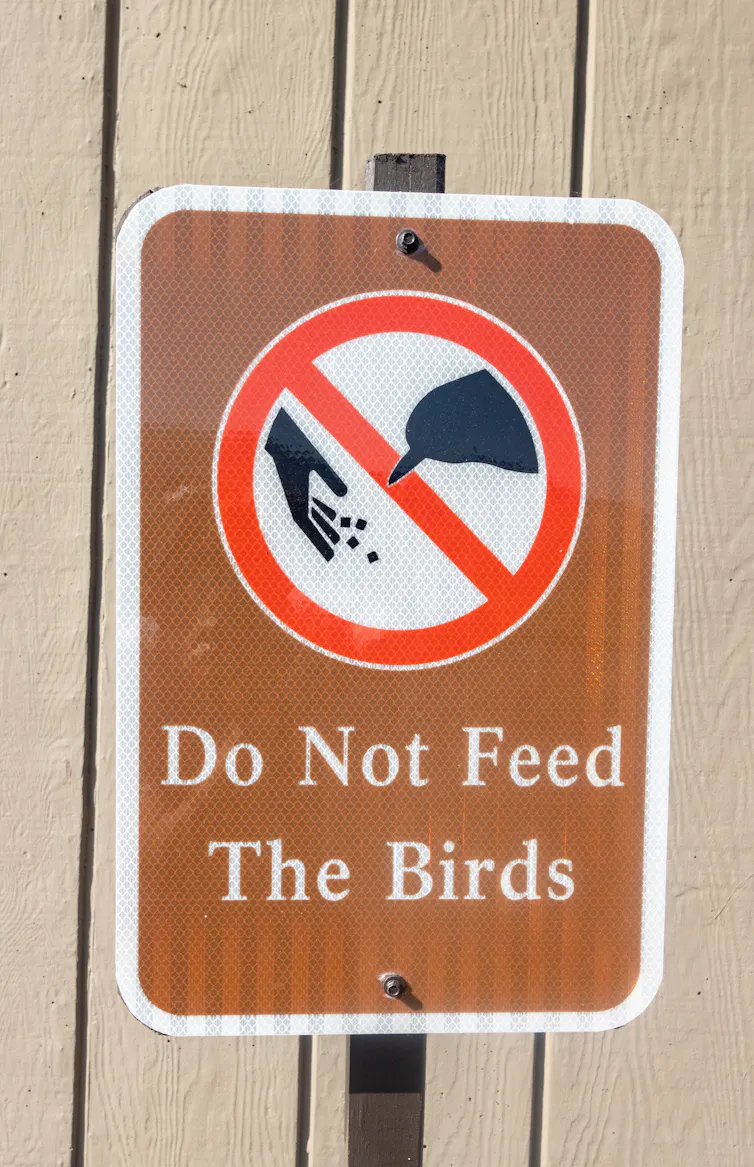
Of particular concern is the practice of feeding birds. Bird feeding increases contact between humans and high numbers of birds. And scientists are worried this may have implications for public health.
This, alongside the fact it can negatively impact bird health, is why authorities generally discourage bird feeding.
So, what can we do?
Parks are vital for our physical and mental health because they allow us to spend more time in nature. So we shouldn’t just avoid them, even if they may harbour disease.
Instead, we should design parks with features that reduce infectious disease risk.
Fencing is one example. Putting fences around playgrounds can limit children’s exposure to ticks. Fences help prevent tick exposure by keeping animals, which often carry ticks, separate from children. We can also construct more off-leash dog areas to keep dogs from contaminating the soil with their poo or urine. And putting mulch or rubber, instead of sand, underneath playgrounds means cats are less likely to treat them as litter boxes.

We can also place predatory fish, such as the Australian smelt and Pacific blue-eye, in water bodies. This will help control mosquito populations, as the fish eat mosquito eggs and larvae before they can mature. Planting more native flora may also be beneficial, with research suggesting invasive plants encourage mosquitoes to breed more.
To address problematic human behaviour, public education is key. We need clear messaging around the importance of not feeding wildlife. We must also urge pet owners to clean up after their pets, and parents to discourage their kids from eating dirt.
Putting parks in perspective
It’s unlikely the next pandemic will come from your local park or community garden. But there’s still the chance you’ll be exposed to diseases through your everyday interactions in these spaces.
For centuries, humans have carefully designed urban spaces to help manage infectious disease risk. The construction of sewage networks in 19th century London is just one example.
So while our research is new, the idea of designing more disease-resistant cities is not. It’s time to apply it to the parks we all know and love.
Authors: Katherine M. Robertson, PhD student, The University of Melbourne