

These 4 diets are trending. We looked at the science (or lack of it) behind each one
- Written by: Clare Collins, Professor in Nutrition and Dietetics, University of Newcastle
Diets claiming you’ll lose a huge amount of weight in next to no time pop up on social media relentlessly.
When a new diet promises dramatic results with little effort, or sells miraculous pills, potions or supplements guaranteed to melt body fat or speed a up sluggish metabolism – with testimonials touting success – then be sceptical.
We evaluated four current diet trends to see how their claims stack up against the science.
Read more: Health Check: six tips for losing weight without fad diets
Reverse dieting
Reverse dieting, referred to as “the diet after the diet”, involves increasing your energy intake in a gradual, step-wise way after you stop following a reduced energy diet.
The reverse diet is popular among bodybuilders and physique athletes trying to return to “normal” eating patterns without gaining extra weight.
The theory is that providing a small energy intake surplus may help restore circulating hormone levels and reverse any adverse change in the body’s energy expenditure, restoring it to pre-diet levels.
At the same time it tries to match energy intake to a person’s usual metabolic rate based on them being at a stable weight. The aim is to try not to store extra body fat due to consuming more kilojoules than are being used.
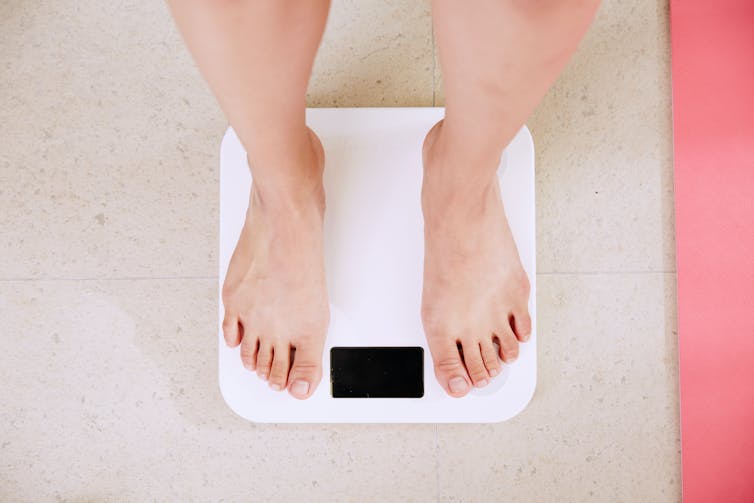 Diet trends are often not based on hard facts.
i yunmai/Unsplash
Diet trends are often not based on hard facts.
i yunmai/Unsplash
Anecdotal reports of success using reverse dieting have seen it trending, but there are no studies specifically testing this diet for weight management.
Ideally, weight loss strategies should maximise any reduction in body fat stores while conserving or building muscle mass.
One review evaluated studies estimating the number of extra kilojoules needed daily to maximise muscles and minimise body fat stores, while also exercising to build muscles, called resistance training. They found limited evidence to guide recommendations.
Verdict? Fad diet.
The GAPS diet
The Gut And Psychology Syndrome (GAPS) diet starts with a strict elimination diet followed by maintenance and reintroduction phases that proponents suggest you follow over several years.
There is no scientific evidence to support the website claim that the diet could lift a “toxic fog off the brain to allow it to develop and function properly”.
The GAPS diet wasn’t specifically formulated for weight management; it’s rather promoted as a natural treatment for people with digestive problems or conditions that affect the brain, such as autism. But the blog reports some people have experienced positive weight changes, either weight loss or weight gain, as needed.
The diet recommends removing all grains, pasteurised dairy, starchy vegetables and refined carbohydrates and swapping these for fish, eggs, broths, stews and fermented foods.
The GAPS protocol also recommends a range of supplements including probiotics, essential fatty acids, digestive enzymes and cod liver oil which happen to be for sale on the website.
The GAPS diet says that increased intestinal permeability, or “holes in your gut” termed “leaky gut”, allow food components and bacteria to enter your blood, which it says then triggers neurological and psychological conditions including depression, autism and learning difficulties.
GAPS claims to heal a leaky gut by eliminating certain foods that trigger it and to improve digestive and psychological health.
While intestinal permeability is increased in some situations including pregnancy, during endurance exercise, or with the use of non-steroidal anti-inflammatory medication, there’s no evidence the GAPS diet regime resolves this.
Read more: The science behind diet trends like mono, charcoal detox, Noom and Fast800
Further, any bouts of diarrhoea experienced while following the GAPS diet are not “clearing you out”. There is no scientific evidence that any diarrhoea caused by following this diet is helpful.
Ultimately, this diet is extremely restrictive and puts you at risk of malnutrition. We strongly advise against it.
Verdict? Fad diet.
The HCG diet
Human chorionic gonadatropin (HCG) is a hormone produced during pregnancy and used in fertility treatments. HCG supplementation has also been used in athletes because it promotes testosterone production and builds muscle in males. It’s currently on the World Anti-Doping list of prohibited substances.
HCG is promoted as a weight loss supplement with older claims it could mobilise fat and suppress appetite. The original 1954 HCG trial had some positive results and triggered development of the current HCG diet.
The diet involves taking a HCG supplement, typically as liquid drops, while following a very low-energy diet of 2,000 kilojoules (500kcal) a day.
Since 1954, no studies have replicated the original findings. The conclusion? Weight loss is due to the large energy deficit. We don’t recommend this diet.
Verdict? Fad diet.
IIFYM (If It Fits Your Macros) diet
Instead of counting kilojoules, the IIFYM diet gets you to count your macronutrients (macros).
First you use their online calculator and fill in a range of questions related to your plans to manage your weight. You supply your email and it works out your daily macro needs and sends you a copy plus an “offer” for a personalised program with a money back guarantee.
You then monitor your daily intake of protein, carbohydrate and fat in grams coming from food and drinks (though you can count macros on any app).
 Focus on where your macros are coming from rather than counting them.
Shutterstock
Focus on where your macros are coming from rather than counting them.
Shutterstock
Depending on a person’s goals, the diet may or may not include a daily kilojoule restriction.
There is no research specifically testing the IIFYM diet. But lots of research has tested whether certain macronutrient ratios are better for weight management. The short answer is no.
A review of 14 popular diets with varying macronutrient ratios found no specific diet was better than others in achieving weight loss over six months. Across all diets weight loss diminished by 12 months.
Read more: Health Check: ten ways to save 2,000 kilojoules and drop a clothes size
For weight loss, the key to success is achieving a total daily kilojoule restriction you can live with.
Focus on which foods your macros are coming from, rather than the ratio. Eating foods of higher nutritional quality, like vegetables, fruit, legumes and wholegrains, rather than energy-dense, nutrient-poor ultra-processed foods, means your total kilojoule intake will be lower.
Counting macros can inform food choices that boost diet quality and help lower kilojoule intake, but there’s no strong evidence behind this diet.
Verdict? Fad diet.
For personalised help to check whether you’re meeting your nutritional requirements, consult an Accredited Practising Dietitian. Due to COVID-19, Medicare have introduced rebated telehealth consultations for eligible people.
Read more: Health Check: what's the best diet for weight loss?
If you’d like to learn more about weight loss, you can enrol in our free online course The Science of Weight Loss – Dispelling Diet Myths which begins on May 6.
Authors: Clare Collins, Professor in Nutrition and Dietetics, University of Newcastle
-behind-each-one&media=https://www.modernaustralian.com/https://images.theconversation.com/files/331909/original/file-20200501-42946-1jw2kio.jpg?ixlib=rb-1.1.0&q=45&auto=format&w=754&fit=clip&description=These%204%20diets%20are%20trending.%20We%20looked%20at%20the%20science%20(or%20lack%20of%20it)%20behind%20each%20one "Pin It")

















