

The Importance and Varieties of Ride-On Mower Tyres
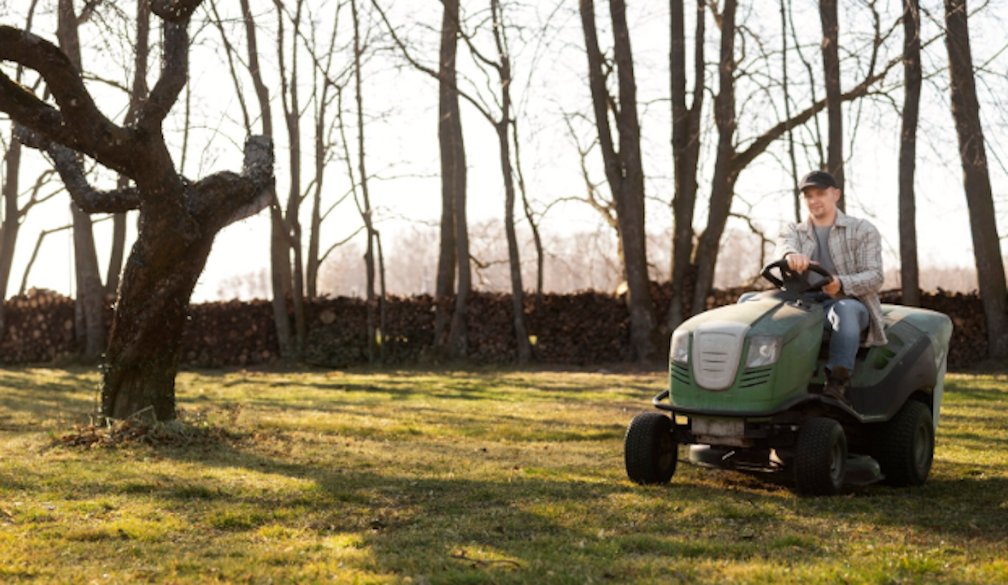
Ride-on mowers are built to manage larger lawns with consistency and control. The quality and design of ride on mower tyres play a critical role in ensuring stable handling and efficient operation across different terrain types. At the centre of that performance are the tyres. Though often overlooked, they carry the machine’s weight, stabilise its movement, and influence how evenly grass is cut. The correct set of tyres affects traction, ride comfort, fuel use, and the condition of the lawn surface. A poor match can lead to uneven cutting lines, soil damage, or premature wear on mechanical parts.
Tyres act as the connection between the mower and the ground. Their structure, tread design, and size shape how the machine behaves across different conditions. Selecting the right type is not only a matter of fit but of function.
How Tyres Affect Performance and Lawn Quality
The operation of a ride-on mower depends heavily on grip and balance. When tyres provide steady traction, the mower can move smoothly across flat lawns, slopes, or uneven ground. This stability supports cleaner cutting patterns and reduces strain on the engine and transmission.
Traction is particularly significant on damp grass or inclines. Insufficient grip can cause slipping, which leaves patchy mowing lines and places extra stress on internal components. On the other hand, excessive tread depth on delicate lawns can disturb the soil and leave marks that take time to recover.
Tyres influence steering response and turning radius. A well-matched set supports precise manoeuvring around trees, flower beds, and pathways. Balanced weight distribution across the tyres helps maintain even pressure on the grass, reducing the likelihood of ruts or compacted soil.
Comfort is another factor. A smoother ride reduces vibration felt by the operator, making longer mowing sessions less tiring. Tyre design contributes to this by absorbing minor bumps and irregularities in the ground.
Turf Tyres for Residential Lawns
Turf tyres are widely used on domestic ride-on mowers. Their tread pattern is shallow and evenly spaced, spreading the machine’s weight across a broader surface area. This design reduces pressure on the grass and lowers the chance of visible track marks.
These tyres suit level, well-maintained lawns with firm soil. Their flatter profile allows steady movement without cutting into the turf. For homeowners who focus on appearance and lawn health, turf tyres provide a balanced solution.
They are less effective on muddy ground or steep slopes, where a deeper tread may be required for traction. Still, for everyday mowing in dry or moderately damp conditions, they offer reliable performance without damaging the grass.
Agricultural Tyres for Challenging Terrain
Agricultural tyres, often referred to as AG tyres, feature deep, pronounced treads. These patterns are shaped to grip loose soil, mud, or uneven terrain. Landscapers managing rough paddocks, rural properties, or sloped areas may rely on this type.
The added traction supports controlled movement where standard turf tyres might spin. The tread channels also help shed mud, reducing build-up around the tyre.
This strength comes with a trade-off. On finely maintained lawns, the aggressive tread can leave visible marks or disturb the soil surface. Agricultural tyres are best suited to properties where ground conditions demand extra grip rather than a refined finish.
All-Purpose Tyres for Mixed Conditions
All-purpose tyres sit between turf and agricultural designs. Their tread is more defined than turf tyres but less aggressive than AG models. This allows moderate traction across a range of surfaces.
Property owners managing mixed terrain, such as lawns that transition into light dirt paths or slightly uneven ground, often select this option. The tyres offer adaptability without heavily marking the lawn.
Although they may not match the peak grip of agricultural tyres in muddy areas or the gentle footprint of turf tyres on delicate grass, they provide a practical compromise for varied conditions.
Selecting the Correct Size and Structure
Tyre size must match the mower manufacturer’s specifications. Diameter and width affect ground clearance, balance, and speed calibration. A mismatch can disrupt steering accuracy and alter cutting height.
Ply rating, which reflects load capacity, is another aspect to review. A higher ply rating supports heavier machines and reduces the risk of deformation under load. This is particularly relevant for commercial operators who carry additional attachments or equipment.
The sidewall construction also influences durability. Reinforced sidewalls resist punctures from sharp debris such as twigs or stones, extending the lifespan of the tyre.
Tread Pattern and Ground Interaction
Tread pattern shapes how the tyre interacts with soil and grass. Shallow, evenly spaced patterns distribute weight gently across the surface. Deeper, angled patterns dig into loose ground to prevent slippage.
Matching the tread design with mowing conditions helps protect both the lawn and the machinery. For damp environments, moderate tread depth can provide added grip without excessive ground disturbance. For consistently dry and flat lawns, a smoother pattern is often adequate.
Maintenance and Tyre Care
Routine inspection keeps tyres functioning as intended. Correct inflation supports even weight distribution and stable steering. Underinflated tyres may sag, leading to uneven cuts and higher rolling resistance. Overinflated tyres can reduce traction and increase pressure on the grass.
Checking for cracks, embedded debris, or uneven wear allows timely replacement before performance declines. Clean tyres free from excessive mud or grass build-up maintain better balance and traction.
Regular maintenance extends tyre life and supports consistent mowing quality throughout the growing season.
Developments in Tyre Technology
Modern tyre designs have introduced alternatives that reduce upkeep. Airless tyres, built from solid rubber or flexible spoke systems, remove the risk of punctures. These are practical for areas scattered with debris where traditional pneumatic tyres may fail.
Low rolling resistance designs aim to reduce drag. By lowering the effort needed to move the mower forward, these tyres may support improved fuel economy or extended battery runtime in electric models.
Manufacturers are refining rubber compounds to improve durability and wear resistance. This approach can lower replacement frequency and reduce operating costs over time.
Environmental Awareness in Tyre Production
Interest in environmentally responsible manufacturing has influenced tyre production. Some models incorporate recycled rubber, lowering reliance on new raw materials. Responsible disposal and recycling of worn tyres contribute to reduced landfill waste.
Maintaining tyres in good condition also supports sustainability. Well-inflated tyres reduce unnecessary fuel consumption and limit strain on mechanical components.
Conclusion
Ride-on mower tyre shape how effectively a mower performs and how well a lawn retains its appearance. Turf tyres protect finely maintained grass; agricultural tyres provide grip on uneven or muddy ground, and all-purpose options offer flexibility across mixed conditions. Size, tread pattern, construction, and upkeep each influence safety, efficiency, and durability.
Thoughtful selection aligned with property conditions supports consistent cutting quality and reduces strain on machinery. As tyre technology continues to advance, operators gain access to options that improve reliability and long-term value. A well-chosen set of tyres not only supports the mower’s function but also preserves the condition of the lawn it is designed to maintain.


















