Top Fire Hazards in Commercial Buildings and How to Avoid Them
- Written by Modern Australian
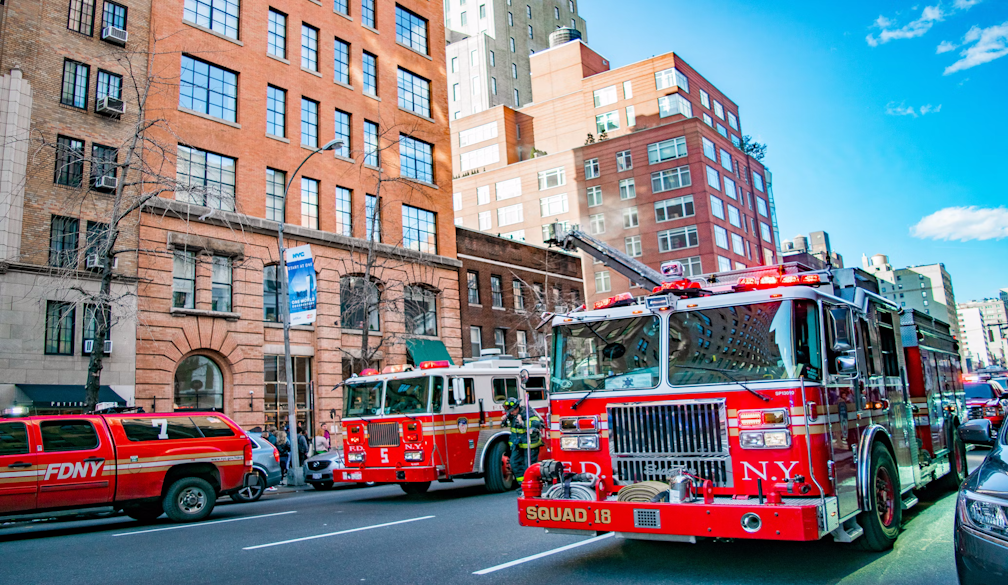
When it comes to protecting lives, assets, and business continuity, fire safety should be at the forefront of every commercial property owner’s risk management strategy. Commercial buildings are vulnerable to various fire hazards, often due to the complexity of operations, high foot traffic, and the use of electrical and mechanical equipment. Understanding common fire risks and implementing preventative measures is critical to ensuring compliance with Australian safety standards and maintaining a safe working environment.
Electrical Faults and Overloaded Circuits
Faulty wiring, overloaded power boards, and poorly maintained electrical systems are among the leading causes of commercial building fires. Businesses often run multiple appliances and devices from the same circuit, which can lead to overheating and electrical fires.
- Prevention Tip: Schedule regular inspections by a licensed electrician, ensure power boards are compliant with Australian Standards, and avoid daisy-chaining extension cords. All wiring should be up to date and properly insulated.
Improper Storage of Flammable Materials
From cleaning supplies and paints to fuels and solvents, many commercial spaces contain flammable or combustible materials. Storing these substances near heat sources or failing to follow proper containment procedures can significantly increase fire risk.
- Prevention Tip: Store flammable liquids in approved containers and cabinets, away from ignition sources. Ensure all staff are trained in handling and storing such materials in accordance with WHS guidelines.
Neglected Heating and Cooling Equipment
HVAC systems, especially older or poorly maintained ones, can become a serious fire hazard. Dust build-up, mechanical failures, or clogged filters can cause components to overheat or spark.
- Prevention Tip: Establish a regular maintenance schedule for all heating and cooling systems. Replace filters, clean ducts, and check for signs of wear or damage.
Kitchen Facilities and Cooking Equipment
Commercial kitchens, or even small breakroom areas with microwaves, toasters, and hotplates, can present serious risks if not managed properly. Unattended cooking, greasy surfaces, and malfunctioning appliances are all common causes of fire outbreaks.
- Prevention Tip: Enforce strict kitchen safety rules, install fire blankets and extinguishers nearby, and ensure appliances are switched off when not in use. Deep-clean grease traps and hoods regularly.
Blocked or Inaccessible Fire Exits
In the event of a fire, a quick and clear path to safety is essential. Unfortunately, some commercial buildings fail to maintain accessible exits, with doors blocked by stock, furniture, or even locked improperly.
- Prevention Tip: Keep all exit routes clearly marked and free from obstructions. Conduct routine fire drills and ensure all employees know the evacuation plan.
Lack of Up-to-Date Fire Safety Plans
Failing to keep fire safety documentation up to date — including evacuation diagrams and essential services information — can delay emergency response and compromise occupant safety. It may also lead to non-compliance with local regulations.
- Prevention Tip: Regularly review and update your fire safety documents, such as your building fire block plans, which clearly display essential fire equipment, exit points, and emergency routes. Accurate block plans are crucial for first responders and play a key role in effective fire risk management.
Malfunctioning Fire Detection and Suppression Systems
Smoke alarms, sprinklers, and fire extinguishers are vital components of any fire prevention system. However, these tools are only effective if they’re operational and compliant with current standards.
- Prevention Tip: Conduct regular testing and maintenance of all detection and suppression systems. Ensure fire extinguishers are within their service dates and mounted in accessible locations.
Fire safety in commercial buildings is not just about compliance — it’s about protecting your people, your property, and your future
By identifying the most common fire hazards and proactively addressing them, businesses can significantly reduce their risk. Don’t overlook the importance of thorough documentation, and engage qualified professionals for ongoing inspections and fire safety training. Taking these preventative steps today can help ensure your commercial building stays secure, compliant, and prepared for the unexpected.