

4 Surprising Benefits of Crystal Bracelets
- Written by NewsServices.com
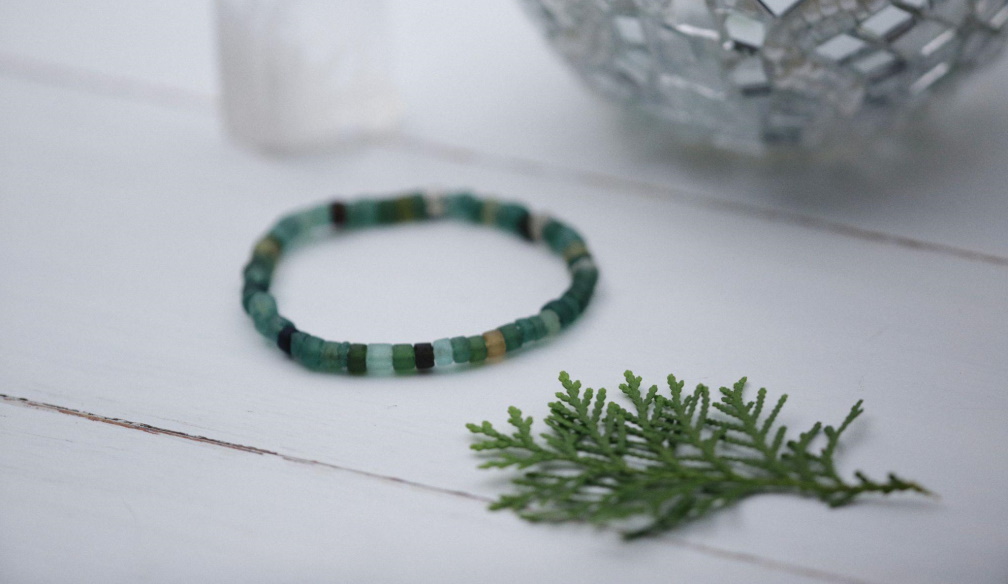
You could be mistaken for believing that crystals are simply another recent trend in the alternative health space. The use of crystals for various purposes can be traced back to Ancient Egypt and other civilisations, and even Leonardo da Vinci reportedly kept a gemstone on his desk.
These mystical stones have been utilised for thousands of years and revered for healing and spiritual properties. Many come in different forms, shapes, and sizes. Some are worn on the body, while medium-sized crystals can be used in a ceremonial setting for healing.
One popular way to take advantage of this is by using wearable crystal bracelets like the black Obsidian in our day to day life; let's see what kind of benefits we can expect from wearable crystal bracelets.
Energy Boosting
In our fast-paced society, one thing most people want is more energy. Instead of going down the route of caffeine or energy drinks, why not try the less traditional approach and utilise the energetic properties of crystals. One way to incorporate crystals into your daily routine is by wearing a feng shui bracelet.
Some crystals provide benefits, such as improving stamina and energy. Being able to wear some of these would assist in giving you that consistent boost throughout the day.
If you’re looking for energy-boosting crystals for your bracelets, we recommend; Citrine, Red Jasper, Carnelian, Orange Calcite, or Chalcedony.
Stress Reduction
One of the most significant issues we face is stress; whether it be from work, relationships or, in general, a busy lifestyle, this can be triggered by numerous things. Negative situations, thoughts or people often instigate it.
Crystals are known to assist in managing negative energies, block out negative thoughts and protect you from negative people or spaces. The effects may be subtle, but doing this will assist you in remaining in a peaceful and worry-free state.
Some crystals used explicitly for this purpose are Amethyst, Selenite, Tiger’s Eye, Black Tourmaline, etc. Wearing round bead bracelets throughout the day is something you can do to experience the benefits.
Sleep Optimisation
Another issue rampant in our society is lack of sleep. It does seem that most of us are always tired, whether this may be from lack of sleep or simply low quality of sleep.
Luckily some crystals can assist with this; some types of crystals can help improve your sleep by silencing your mind and calming your body.
As long as you ensure to wear your crystal bracelet to bed with you, you can experience some of these benefits.
If you’re looking to optimise your sleep, the types of crystals that you can purchase are; Amethyst, Lepidolite, Angelite or Selenite.
Enhances Overall Wellbeing
We live in a society dependent on pharmaceuticals and modern medicine; these are great modalities to improve health outcomes but should not be the only thing we focus on. Things like lifestyle intervention and diet have a place, but it is understood that there are other ways to relieve ailments and pains.
By balancing specific energies and frequencies and getting things like sleep and stress in a better state, you will notice a cascade effect and an overall improvement in your health. The use of crystals can potentially be a helpful addition and everything else we do to improve health outcomes.
All crystals are thought to have different benefits, and if there is a specific ailment you need to tackle, it is believed that you can cater your crystal usage to your situation. Crystals such as Amethyst are used for solving blood sugar issues. Aquamarine is used for solving anxiety and can help boost metabolism.
Conclusion
Crystals have many purposes and abilities, depending on the stone you choose. There are multiple ways we can make use of these ancient tools.
It requires commitment and consistent exposure. Wearable crystals are popular because it's an easy way to maintain these healing frequencies throughout our day to day lives.
While selecting your crystal bracelets, ensure that you pick the best crystals that adequately suit your needs and keep an open mind about these healing modalities. You never know; it just may be the missing link to you stepping into your vibrant and energetic self.

















