

Weathering Techniques for Plastic Model Kits
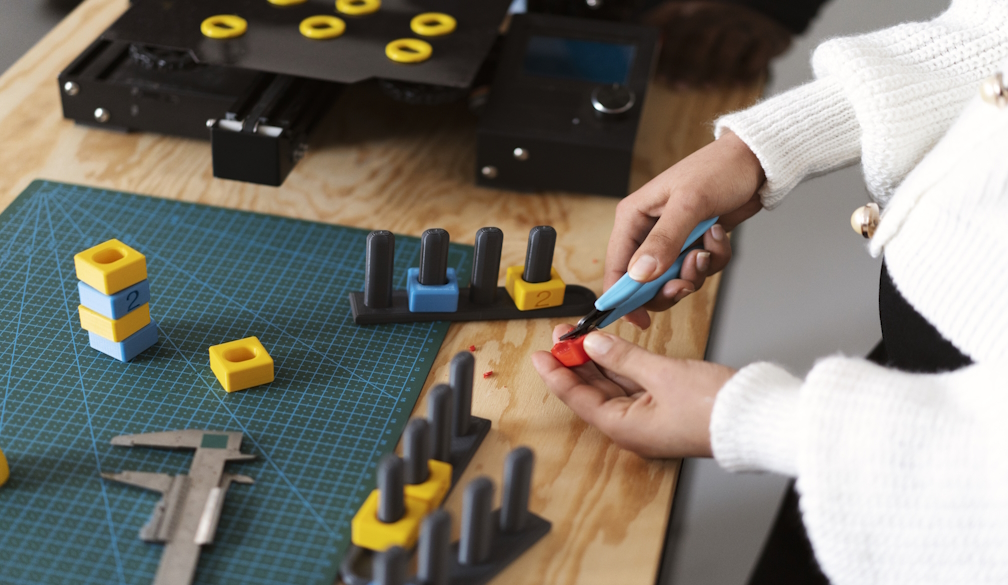
Building a plastic model kit is about far more than simply assembling parts and applying paint. For many hobbyists, the real artistry begins once the model is built. Weathering techniques allow modellers to transform a pristine, factory-fresh kit into a convincing miniature that tells a story—one that reflects the wear, ageing, and environmental effects seen on real-world vehicles, aircraft, ships, and military equipment.
Whether you are new to the hobby or looking to refine your skills, understanding weathering techniques can dramatically elevate the realism of your finished model.
Many beginners discover these techniques after visiting a specialist hobby store or a local toy shop in Pakenham, where experienced modellers and hobby experts often share tips on how subtle detailing can turn a good model into an exceptional one.
Below, we explore some of the most effective and widely used weathering methods for plastic model kits.
Why Weathering Matters in Scale Modelling
In real life, vehicles and machinery rarely remain perfectly clean or newly painted. Over time they accumulate dirt, rust, scratches, oil stains, fading paint, and environmental damage.
Weathering replicates these effects on a miniature scale, helping to:
- Add realism and depth to your model
- Highlight surface details and panel lines
- Tell a story about how the vehicle or object has been used
- Break up flat paint finishes
- Create visual interest and authenticity
Without weathering, even the most carefully painted model can look unrealistic or toy-like.
Panel Line Washes
One of the most common weathering techniques is the panel line wash.
A wash is a thin mixture of paint and solvent that flows into recessed lines, bolts, and panel details. This creates contrast and helps emphasise the fine surface details moulded into the kit.
To apply a wash:
- Start with a sealed base coat, preferably protected with a gloss clear coat.
- Apply the wash into panel lines using a fine brush.
- Allow the wash to flow naturally into recessed areas.
- Wipe away excess with a cotton bud or soft cloth.
The result is sharper, more defined detail that instantly improves realism.
Dry Brushing
Dry brushing is a simple but powerful technique used to highlight raised surfaces.
With this method, a brush is loaded with a small amount of paint and then wiped almost completely dry. The brush is lightly dragged across the surface, allowing paint to catch only on raised edges.
Dry brushing is excellent for:
- Highlighting rivets and bolts
- Simulating worn edges
- Enhancing texture on machinery and armour
- Bringing out sculpted details
Silver or metallic dry brushing is often used to simulate chipped paint on metal surfaces.
Paint Chipping
Real vehicles frequently develop chipped paint from impact, friction, or environmental wear.
Modellers replicate this effect using several techniques:
Sponge chipping
A small piece of sponge is dipped lightly into paint and dabbed onto the model to create irregular chips.
Fine brush chipping
A thin brush is used to paint small scratches and chips by hand.
Layered chipping
A darker colour (often metallic or primer tone) is applied beneath the main paint layer to simulate exposed metal or undercoat.
The key is subtlety. Overdoing paint chips can make a model look unrealistic.
Rust Effects
Rust adds character and age to many models, particularly tanks, trucks, ships, and industrial machinery.
Rust can be recreated using:
- Rust-coloured paints
- Pigment powders
- Layered washes
- Textured paint effects
Applying different shades of brown, orange, and red in layers helps replicate the varied tones of real corrosion.
Rust is most convincing when applied where moisture naturally collects, such as:
- Bolts and rivets
- Panel edges
- Exhaust systems
- Lower hull sections
Dust and Dirt Effects
Dust and dirt weathering is essential for military vehicles, construction machinery, and off-road equipment.
These effects are commonly created with:
Weathering pigments
Powder pigments are brushed onto the model and fixed in place using thinner or pigment fixer.
Airbrushed dust layers
Thin layers of light earth colours can be sprayed over lower sections of the model.
Mud textures
A mixture of pigments, plaster, and acrylic mediums can simulate thick mud splatter.
When applying dust and dirt, remember that it typically accumulates in specific areas such as wheels, tracks, and lower panels.
Oil and Fuel Stains
Mechanical vehicles often develop oil leaks, fuel stains, and grease marks over time.
These can be replicated using:
- Gloss enamel washes
- Oil paints blended with thinner
- Specialised weathering products
Thin vertical streaks can simulate fluids running down the surface, while small glossy patches around engine components can suggest fresh oil.
Fading and Sun Bleaching
Paint on real vehicles often fades due to sun exposure and weather conditions.
This effect can be recreated by:
- Applying lighter shades of the base colour to upper surfaces
- Using airbrushed filters
- Applying subtle oil paint blending techniques
Fading helps prevent large painted areas from appearing flat or unrealistic.
Streaking Effects
Rain, grime, and dirt often create vertical streaks on vehicles and structures.
Streaking can be achieved by:
- Applying small dots of oil paint or enamel.
- Using a clean brush with thinner to pull the paint downward.
- Blending the streak until it appears natural.
This technique is particularly effective on tanks, ships, and weathered aircraft.
Combining Multiple Techniques
The most realistic models often combine several weathering techniques.
For example, a tank model might feature:
- Panel line washes for detail
- Paint chipping on edges
- Dust pigments on tracks
- Rust effects on exhausts
- Oil stains around engine components
Layering these effects gradually produces depth and authenticity.
The key principle is patience. Weathering works best when applied in multiple subtle layers rather than one heavy application.
Practising and Developing Your Style
Weathering is both a science and an art. While many techniques follow established modelling practices, each modeller develops their own approach over time.
Beginners are encouraged to practise on spare parts or inexpensive kits before applying advanced weathering techniques to more complex projects.
Watching tutorials, studying reference photos of real vehicles, and experimenting with different materials will help you develop confidence and skill.
Final Thoughts
Weathering techniques bring scale models to life. By carefully recreating the effects of time, environment, and use, modellers can transform simple plastic kits into convincing miniature replicas.
From subtle panel washes to complex rust and dust effects, mastering weathering adds depth, character, and realism to every build.
With practice, patience, and the right tools, any modeller can achieve professional-looking results and turn an ordinary kit into a display-worthy masterpiece.


















