

How a Burleigh Heads Plumber Tests for Pipe Leaks
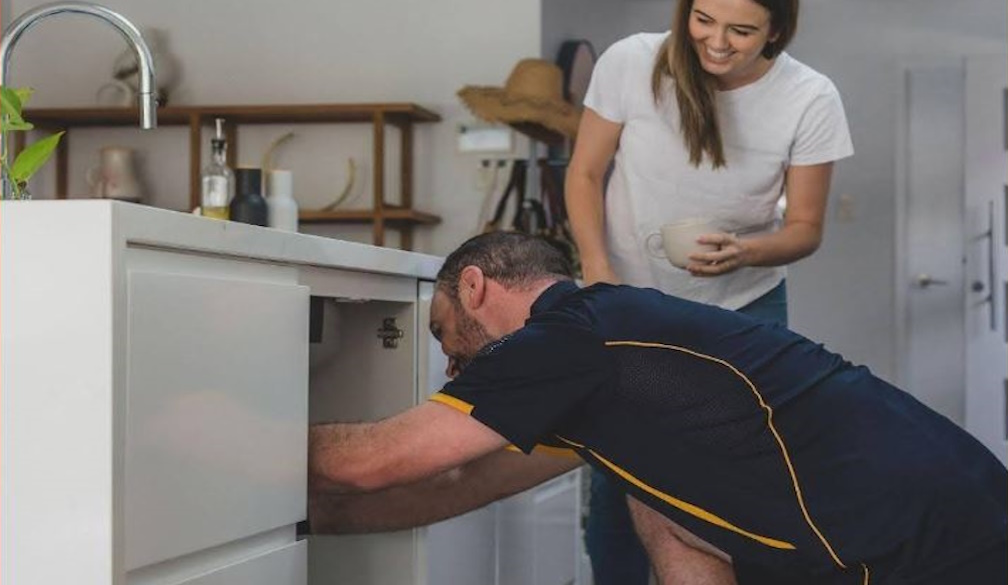
Pipe leaks can be deceptively difficult to spot. Some announce themselves with a steady drip under the sink, but many develop quietly behind walls, under floors, or beneath concrete slabs where you cannot see the water escaping.
In a place like Burleigh Heads, where homes range from older coastal builds to renovated properties with mixed plumbing materials, leak testing is often less about guessing and more about using a methodical process.
A Burleigh Heads plumber will typically combine observation, isolation, and specialised testing tools to locate the leak with minimal disruption, then recommend the most practical repair path.
Why Pipe Leaks Are Common in Burleigh Heads Properties
Ageing pipework and mixed materials
Many properties in Burleigh Heads have had upgrades over time. A home might include older copper or galvanised sections joined to newer plastic pipework, or have additions where plumbing has been extended to new bathrooms, outdoor showers, or renovated laundries.
Every joint and transition point is a potential weak spot, especially if the system has been modified multiple times. Over years of use, seals harden, joints loosen, and minor wear can turn into a slow leak that stays hidden until damage appears.
Coastal conditions and movement
Coastal environments can accelerate wear on certain components, particularly where fittings or fixings are exposed to salt air, humidity, and temperature changes. Ground movement also matters.
Even small shifts can stress buried lines, older joints, or rigid connections. This is why leak testing in Burleigh Heads often focuses on the whole system, not just the area where the symptoms appear.
Leaks often develop out of sight
Water follows the easiest path. A leak in one location can show up somewhere else, like staining in a ceiling corner, damp at the skirting, or swelling in cabinetry. This is why a professional plumber does not rely on surface symptoms alone. Proper testing is about confirming the leak, narrowing down its location, and understanding whether it is a supply leak, a waste leak, or a fixture-related issue.
Early Signs That Point to a Possible Pipe Leak
Rising water bills without explanation
One of the clearest early signs is a sudden increase in water usage even though household habits have not changed. A small, continuous leak in a pressurised line can waste a surprising amount of water over time. If your bills climb month after month, it is worth investigating sooner rather than later.
Damp patches, staining, and paint changes
Leaks often reveal themselves as visual changes. You might see discolouration on ceilings, bubbling paint, peeling finishes, or swollen plasterboard near wet areas like bathrooms and laundries. These signs do not always mean a pipe leak, but they do indicate moisture, which is enough to warrant proper testing.
Reduced water pressure or constant water sounds
If water pressure seems weaker across multiple fixtures, or you can hear water movement when everything is turned off, there may be a leak in a pressurised supply line. A plumber will take these observations seriously, especially if they are paired with a higher bill or visible moisture.
How a Burleigh Heads Plumber Starts the Leak Detection Process
Asking the right questions and mapping symptoms
Leak detection begins with information. A plumber will ask where you have noticed dampness, when it appears, whether it worsens after using certain fixtures, and whether any plumbing work has been done recently.
These details help determine whether the likely source is a supply line, a drain line, a waterproofing issue, or condensation. This step might feel simple, but it prevents wasted testing and helps target the right areas from the start.
Visual inspection of fixtures and exposed pipework
Next comes a careful check of the obvious points. Under-sink connections, flexi hoses, mixer fittings, toilet valves, hot water units, and outdoor taps are common sources of slow leaks.
A plumber will check for corrosion, water marks, damp cabinetry, and tiny drips that could be overlooked in day-to-day life. If the leak is visible, you may not need advanced testing at all. Many problems are solved at this stage with a replacement fitting, new seal, or repaired joint.
Determining whether it is internal or external
A key part of early diagnosis is separating indoor and outdoor possibilities. External leaks can occur in buried supply lines, garden taps, or irrigation connections. Internal leaks can occur behind walls, under floors, or within ceiling cavities.
Knowing which category the leak falls into determines the next set of tests and helps avoid unnecessary invasive work.
Pressure Testing Pipes to Identify Leaks
How pressure loss indicates a hidden leak
Pressure testing is one of the most effective ways to confirm a leak in a supply line. The plumber isolates the system or a section of it, brings it to a controlled pressure, and monitors whether that pressure drops over time. A stable system should hold pressure. If pressure falls, it indicates water is escaping somewhere, even if there are no visible signs yet.
Isolating zones to narrow down the leak location
Many homes can be tested in segments. A plumber may isolate different parts of the plumbing to see which zone is losing pressure. This step turns a broad problem into a more manageable one. Instead of “somewhere in the house,” you can narrow it to “the hot water line to the bathroom wing” or “the cold supply feeding the laundry and kitchen,” depending on the layout and isolation points available.
Why pressure testing reduces guesswork
Without pressure testing, leak detection can become trial-and-error. Pressure testing gives a clear yes-or-no answer about whether a line is leaking. It is especially useful when the leak is slow and symptoms are intermittent. By confirming the problem first, a plumber can justify moving to more targeted tools like acoustic listening or thermal imaging.
Acoustic Testing for Hidden Pipe Leaks
Listening for the sound of escaping water
Acoustic leak detection uses sensitive listening equipment to pick up the sound of water escaping from pressurised pipes. Even small leaks can create distinct sound patterns, especially in quiet conditions.
A plumber uses this tool to trace the noise through floors, walls, or ground, gradually narrowing in on the highest-intensity point, which is often closest to the leak source.
Best for slab leaks and underground lines
Acoustic testing is particularly valuable for leaks under concrete slabs or in buried supply lines where there are no visible indicators. Instead of guessing and digging, acoustic tools can help pinpoint a location with far greater accuracy. While no method is perfect in every environment, acoustic detection is one of the most practical ways to locate leaks with minimal disruption.
When acoustic testing may be less effective
Acoustic testing can be influenced by background noise, pipe material, and environmental conditions. In some cases, a plumber will combine acoustic results with pressure testing and moisture detection to confirm the location before recommending any cutting or excavation. This layered approach reduces the chance of opening the wrong area.
Thermal Imaging and Moisture Detection Methods
Using temperature differences to find moisture pathways
Thermal imaging can help identify temperature variations caused by water movement or damp materials. For example, a cold water leak may create a cooler area on a wall or floor compared to surrounding dry zones. A hot water leak can produce the opposite effect. Thermal imaging is non-invasive and can quickly highlight areas worth investigating further.
Moisture meters for confirmation
Moisture meters measure the level of dampness in building materials like plasterboard, timber, or flooring. They do not tell you exactly where the leak is, but they confirm how far moisture has spread and whether an area is actively wet. This is useful when surface signs are subtle, or when you need to differentiate between a historical issue and an ongoing leak.
Minimising damage during investigation
A good plumber aims to locate the leak accurately before any destructive access work begins. Thermal imaging and moisture detection can reduce the need to cut multiple inspection holes or remove sections of flooring unnecessarily. When combined with other tests, they support a more targeted repair approach.
Locating Leaks Under Concrete Slabs and Outdoors
Slab leaks and concealed supply lines
Leaks under slabs can be serious, not because they always flood the home, but because they can run for long periods before you notice. Testing usually starts with pressure checks, then moves to acoustic detection and moisture mapping to narrow the likely area. The goal is to confirm location with as much certainty as possible before any cutting, coring, or excavation is considered.
Outdoor leaks and property signs
Outdoor supply leaks can show up as persistent damp patches, areas of unusually green grass, sinking soil, or water pooling where it does not usually collect. A plumber may test the external line separately from the internal plumbing, especially if the water meter suggests continuous flow when everything inside is turned off.
Checking the water meter as a simple indicator
While a plumber will not rely solely on meter behaviour, it is a useful clue. If the meter continues to move when all fixtures are off, it suggests a leak somewhere in the pressurised supply system. This helps confirm that the issue is not just a faulty tap or intermittent overflow, and it supports deeper leak testing when required.
What Happens After a Leak Is Confirmed
Repair options depend on access and pipe condition
Once the leak location is known, the repair plan depends on pipe material, accessibility, and overall pipe condition. Sometimes a targeted repair on a joint or section is enough.
In other cases, particularly where multiple weak points exist, replacing a longer run may be the more reliable option. A plumber will usually weigh cost, disruption, and long-term reliability rather than defaulting to the smallest possible patch.
Minimising disruption with a precise plan
Accurate testing helps keep repairs focused. Instead of opening large areas “just in case,” a plumber can access the most likely point, repair the issue, then confirm the system holds pressure again. This is often the difference between a quick repair and a drawn-out process involving multiple return visits and broader property restoration.
Final verification after repair
A professional approach does not end once the leak is fixed. The plumber should re-test the system, confirm pressure stability, and check that moisture is no longer increasing in affected areas. This provides confidence that the cause has been removed, not just temporarily reduced.
When to Call a Burleigh Heads Plumber for Leak Testing
Act early when signs repeat or worsen
If you are seeing recurring dampness, unexplained bill increases, or ongoing staining, it is worth getting leak testing done sooner rather than waiting for clearer symptoms. Early testing can reduce repair scope and avoid secondary damage that becomes costly to restore.
Use professional testing when the leak is not obvious
If you cannot clearly identify the source, avoid guessing. Opening walls or floors without a confirmed location often creates extra work and cost. A plumber with pressure testing, acoustic tools, and moisture mapping can usually narrow the issue far more efficiently and help you make a practical decision on repair options.
Preventing Future Pipe Leaks in Burleigh Heads Homes
Routine checks and timely maintenance
Simple habits help. Keeping an eye on under-sink cupboards, checking around toilet bases and hot water units, and acting quickly when small drips appear can prevent bigger leaks from developing. Many major leaks start as minor fitting failures that were easy to fix early.
Upgrading ageing components
If a property has older pipework or repeated issues, upgrading vulnerable sections can be a worthwhile investment. This is especially relevant after renovations, when you have access to walls or floors and can modernise pipe runs and fittings to reduce future risk.
A Burleigh Heads plumber tests for pipe leaks by confirming the problem, isolating where it is likely to be, and using the right tools to pinpoint the source with minimal disruption. That methodical approach protects your home, reduces guesswork, and makes the repair process faster and more reliable.





















