How to Choose the Right Suburb for Your Lifestyle
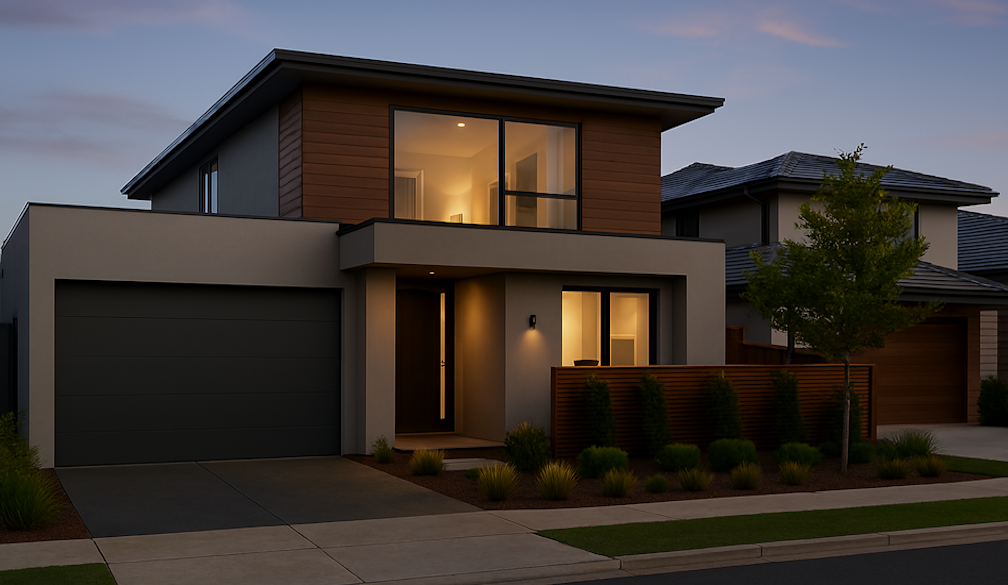
Choosing the right suburb is one of the most important decisions you’ll make when buying or renting a home. Beyond the property itself, the suburb you live in shapes your daily routine, social life, commute, and long-term happiness. What feels like the perfect fit for one person may feel completely wrong for another, which is why lifestyle alignment matters just as much as price and property features.
Whether you’re a first-home buyer, growing family, downsizer, or investor planning to live in your purchase, taking a structured approach can help you narrow down suburbs that genuinely suit how you want to live. Working with experienced local professionals like Melcorp Real Estate can also provide valuable insight into which areas align with your priorities now—and into the future.
Here are the key lifestyle factors to consider when choosing the right suburb for you.
Define Your Daily Priorities
Start by thinking about what your ideal day looks like. This helps cut through endless suburb options and focuses your search on what truly matters. Ask yourself:
- How important is a short commute to work?
- Do you prefer a quiet environment or an active, social neighbourhood?
- Are cafes, gyms, and shops part of your daily routine?
- Do you value green space, walking tracks, or outdoor recreation?
If convenience and time efficiency matter most, suburbs closer to employment hubs and public transport may be a better fit. If peace and space are your priorities, outer or low-density suburbs could suit your lifestyle better.
Consider Your Stage of Life
Your life stage plays a major role in determining which suburb will suit you best.
Young professionals often prioritise:
- Easy access to public transport
- Dining, entertainment, and social venues
- Shorter travel times
Families may focus on:
- School catchment areas
- Parks and playgrounds
- Community facilities and safety
Downsizers or retirees might value:
- Low-maintenance living
- Healthcare access
- Walkability and quiet streets
Choosing a suburb that aligns with where you are now—and where you expect to be in five to 10 years—can save you from outgrowing your location too quickly.
Evaluate Transport and Connectivity
Even if you love a suburb’s look and feel, poor connectivity can quickly impact your quality of life. Travel time often affects work-life balance more than people initially expect. Look into:
- Proximity to train stations, bus routes, or major roads
- Peak-hour congestion
- Commute times at different times of day
If you rely on public transport, walkability to stations and frequency of services are just as important as distance.
Assess Local Amenities and Services
Lifestyle is built around access to everyday essentials and conveniences. Spend time exploring the suburb to see what’s actually available—not just what looks good on a map. Key amenities to consider include:
- Supermarkets and shopping precincts
- Cafes, restaurants, and takeaway options
- Medical centres, pharmacies, and allied health services
- Childcare centres and schools
- Recreational facilities such as gyms, pools, and sports clubs
A suburb that supports your routines makes daily life easier and more enjoyable.
Understand the Community and Atmosphere
Suburbs have personalities. Some feel tight-knit and community-driven, while others are more transient or fast-paced. To get a sense of the local vibe:
- Visit at different times of day and on weekends
- Talk to locals where possible
- Observe noise levels, traffic, and activity
- Online community groups and local forums can also give insight into what living there is really like beyond property listings.
Balance Lifestyle with Budget
It’s important to be realistic about what your budget allows while still prioritising lifestyle needs. Sometimes this means compromise—such as choosing a slightly smaller home in a better-suited suburb, or looking one suburb over to gain better value. Consider:
- Median property prices and rental rates
- Ongoing costs such as transport, parking, and local services
- Long-term growth potential if you’re buying
A suburb that fits both your lifestyle and financial comfort zone is far more sustainable in the long run.
Think Long Term, Not Just Right Now
Lifestyle needs change. A suburb that works today should still feel practical and enjoyable in the years ahead. Ask:
- Is the area seeing infrastructure investment or improvement?
- Are there future transport, education, or retail developments planned?
- Will the suburb adapt as your lifestyle evolves?
Planning ahead helps protect both your wellbeing and your property decision.
Choosing the right suburb is about more than postcode prestige or property features—it’s about finding a place that supports the way you live, work, and relax every day
By clearly defining your priorities, understanding your life stage, and assessing practical factors like transport and amenities, you can confidently narrow down suburbs that truly feel like home. Taking the time to align lifestyle with location makes all the difference—not just on moving day, but for years to come.