

Coronavirus has changed our sense of place, so together we must re-imagine our cities
- Written by Tony Matthews, Senior Lecturer in Urban and Environmental Planning, Griffith University
Is it time to re-imagine our fundamental relationship with cities?
People bring cities to life. They interact, work, socialise and travel. Without this, cities are just collections of buildings and infrastructure.
This relationship is now on hiatus all over the world. The COVID-19 pandemic left thousands of cities empty, eerie and listless.
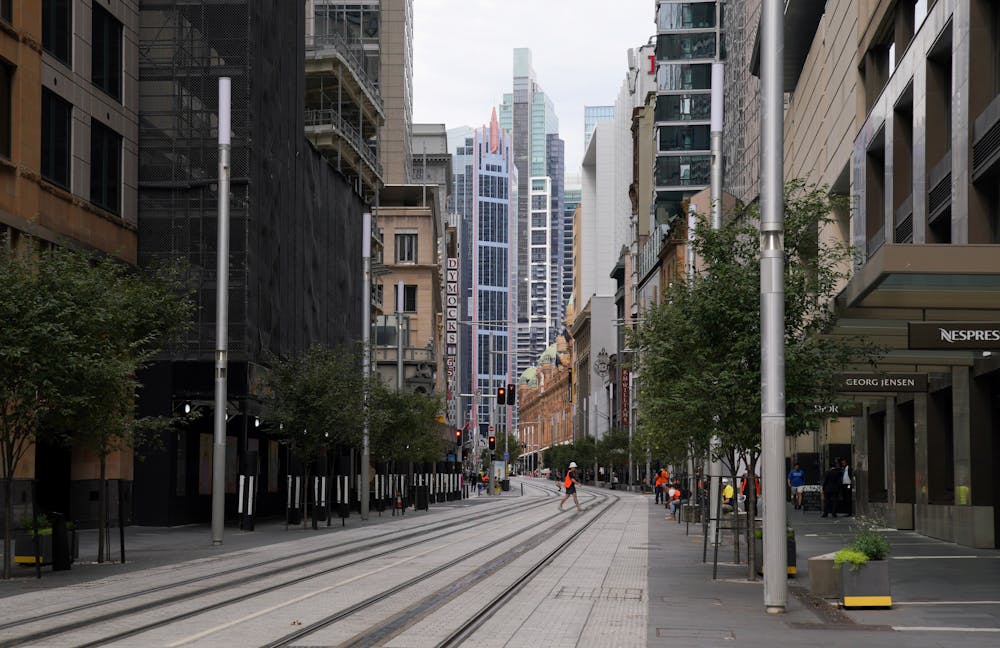 The centre of Sydney was eerily quiet at the peak of the pandemic in Australia.
Loren Elliott/AAP
The centre of Sydney was eerily quiet at the peak of the pandemic in Australia.
Loren Elliott/AAP
Read more: Public spaces bind cities together. What happens when coronavirus forces us apart?
We connect to cities by developing a “sense of place”. The concept describes how we perceive and attach to places through use. Our connection with cities changes over time but is always grounded in sense of place.
COVID-19 is fundamentally disrupting sense of place. It is causing transformative change in cities all over the world. Daily parts of city life, like shared seating, busy trains and eating out, have suddenly become threatening.
Many urban dwellers are redefining their sense of place in response. We may not view our cities the same way after this pandemic. Our perceptions and priorities may change, perhaps permanently.
As we start planning for cities after this pandemic, we should recognise this task is as much philosophical as practical.
Read more: Reconnecting after coronavirus – 4 key ways cities can counter anxiety and loneliness
Transforming the present
It is useful to consider what exactly the COVID-19 pandemic represents for cities and why it can change people’s sense of place so profoundly.
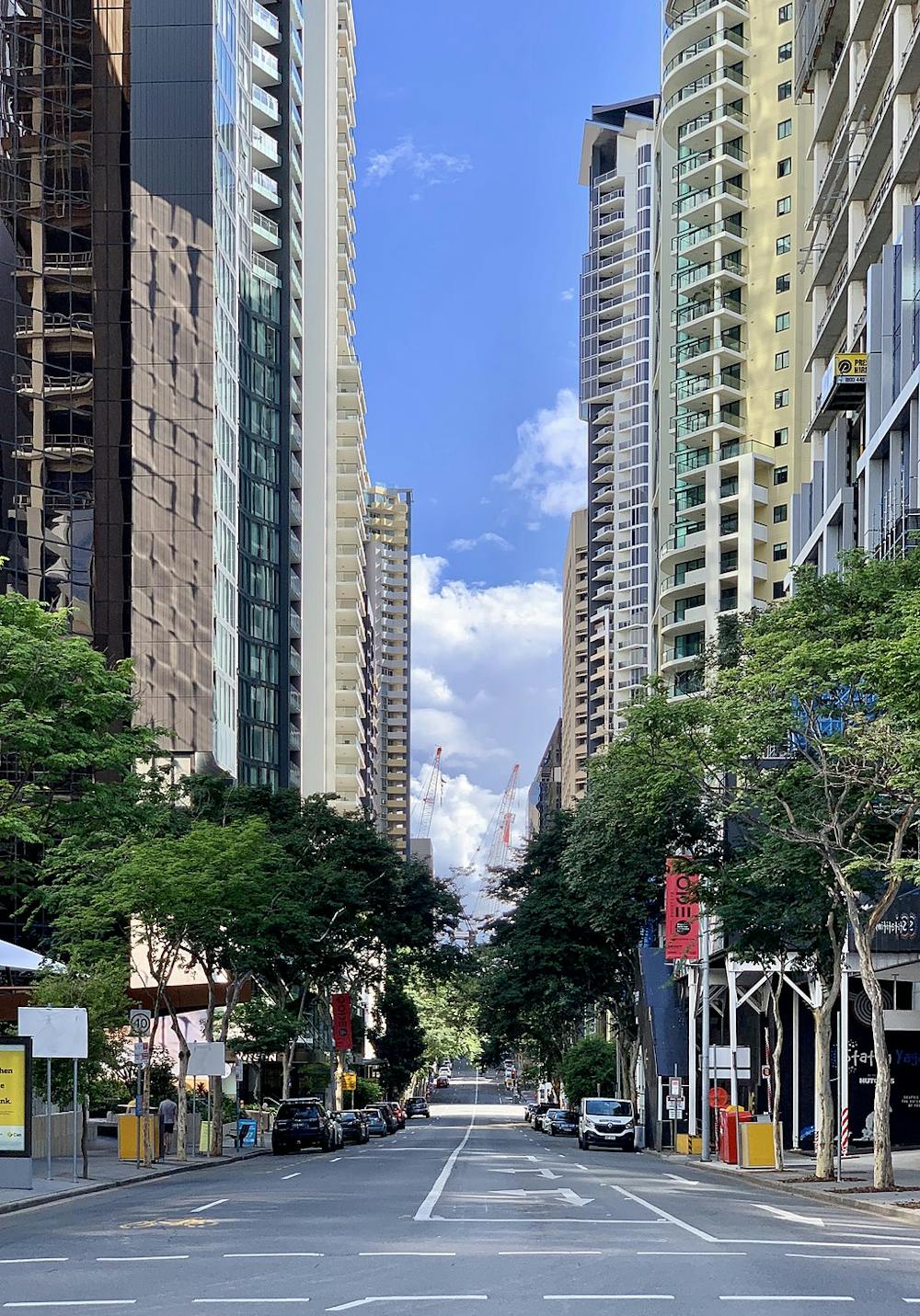 Mary Street, Brisbane, during the lockdown.
Kgbo/Wikemedia Commons, CC BY-SA
Mary Street, Brisbane, during the lockdown.
Kgbo/Wikemedia Commons, CC BY-SA
The pandemic impacts are so severe it can be classified as a “transformative stressor”. These rare events cause severe and intense social, environmental and economic impacts. They are felt at every level of society and throughout social institutions.
Profound shocks are felt all at once in economic activity, human health and social order. Impacts occur at all scales. Almost everybody endures multiple forms of disruption.
Transformative stressors can be unforgiving in exposing problems and weaknesses in systems. They can be catastrophic in cities because so many systems are integrated, creating multiple points of impact.
COVID-19 also fits the transformative stressor model because it might not be possible to fully manage it. Recovery planning needs to account for the possibility COVID-19 might never disappear. It could become an ongoing risk of city life.
What was a distant worry becomes an immediate threat when a transformative stressor hits a city. Things that were once reliable and comfortable no longer are. Our behaviour changes in response, causing us to reconsider our sense of place over time.
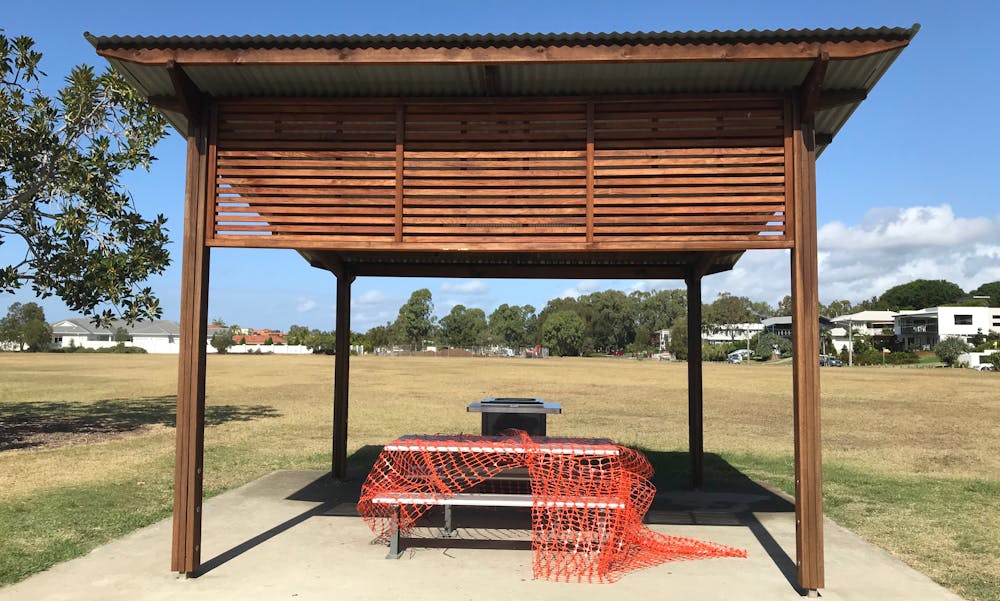 How does sense of place change when the familiar becomes sinister?
Tony Matthews, Author provided
How does sense of place change when the familiar becomes sinister?
Tony Matthews, Author provided
Read more: Cities will endure, but urban design must adapt to coronavirus risks and fears
Co-creating the future
The transformative impacts of this pandemic are upending established norms. But policy innovation can flourish at times like this. Transformative stressors give policymakers unique opportunities to work outside their normal methods.
People have stoically endured lockdowns in many countries. Working from home with limited mobility will further prompt many to re-evaluate their sense of place. Many people will want a big say in the fundamental decisions to be made on the future of their cities after this.
Read more: If more of us work from home after coronavirus we'll need to rethink city planning
As they seek innovative ways to help cities recover, planners can learn important lessons by consulting urban residents. Online co-creation processes and workshops are excellent tools for gathering the people’s thoughts and aspirations at this unique time.
 Will we still see meeting friends at a cafe as a refuge from the cares of the world?
Loren Elliott/AAP
Will we still see meeting friends at a cafe as a refuge from the cares of the world?
Loren Elliott/AAP
Participating in workshops can also help residents redefine their sense of place in cities disrupted by COVID-19. They can describe how the crisis changed their perceptions and use of space. This allows them to redefine their sense of place by considering the future with full acknowledgement of the past.
Residents are engaging more closely with their own neighbourhoods at the moment. This allows them to reconsider their local sense of place. New trends will be revealed through engagement with the public, reflecting changes in their sense of place.
At minimum, there is likely to be more community interest in improving active transport options. Many people have been reminded of the pleasures of walking and cycling. Other new priorities may be more green space and better social infrastructure.
Read more: Coronavirus reminds us how liveable neighbourhoods matter for our well-being
On the other hand, enthusiasm for public transport might fall and car ownership rates could rise.
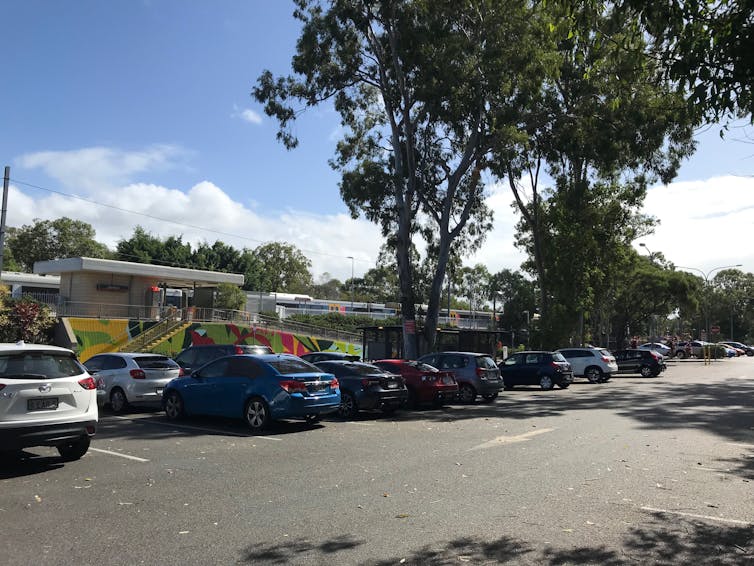 Plenty of parking spaces at this suburban train station. Will we be comfortable taking public transport after lockdowns end?
Tony Matthews
Plenty of parking spaces at this suburban train station. Will we be comfortable taking public transport after lockdowns end?
Tony Matthews
The road ahead
The transformative impacts of this pandemic prompt fundamental questions. Do people have the same enthusiasm for city living? Is it time for new urban realities? What would new realities look like? How would they be achieved?
These are extraordinary times that call for extraordinary responses. It is not a time for planners and policymakers to plan for people; it is a time to plan with people.
Many innovations in urban planning are founded in efforts to improve human health. COVID-19 will undoubtedly prompt a new round of thinking about how cities can be re-imagined. It will be a big adjustment for urban planning, which has traditionally relied on the relative predictability of how people use space.
People’s perception and attachment to places is changing, perhaps forever. Decisions on where to go from here will be better made if planners understand how people are redefining their sense of place in this time of profound upheaval.
Read more: Reclaiming the streets? We all can have a say in the 'new normal' after coronavirus
Authors: Tony Matthews, Senior Lecturer in Urban and Environmental Planning, Griffith University


















