

Guide to the Classics: The Leopard
- Written by: Giorgia Alù, Associate Professor, Department of Italian Studies, University of Sydney
Aridly undulating to the horizon in hillock after hillock, comfortless and irrational, with no lines that the mind could grasp, conceived apparently in a delirious moment of creation.
This is the description of a scorched, unruly Sicilian landscape – both protagonist and spectator of the story of its people – in Giuseppe Tomasi di Lampedusa’s The Leopard.
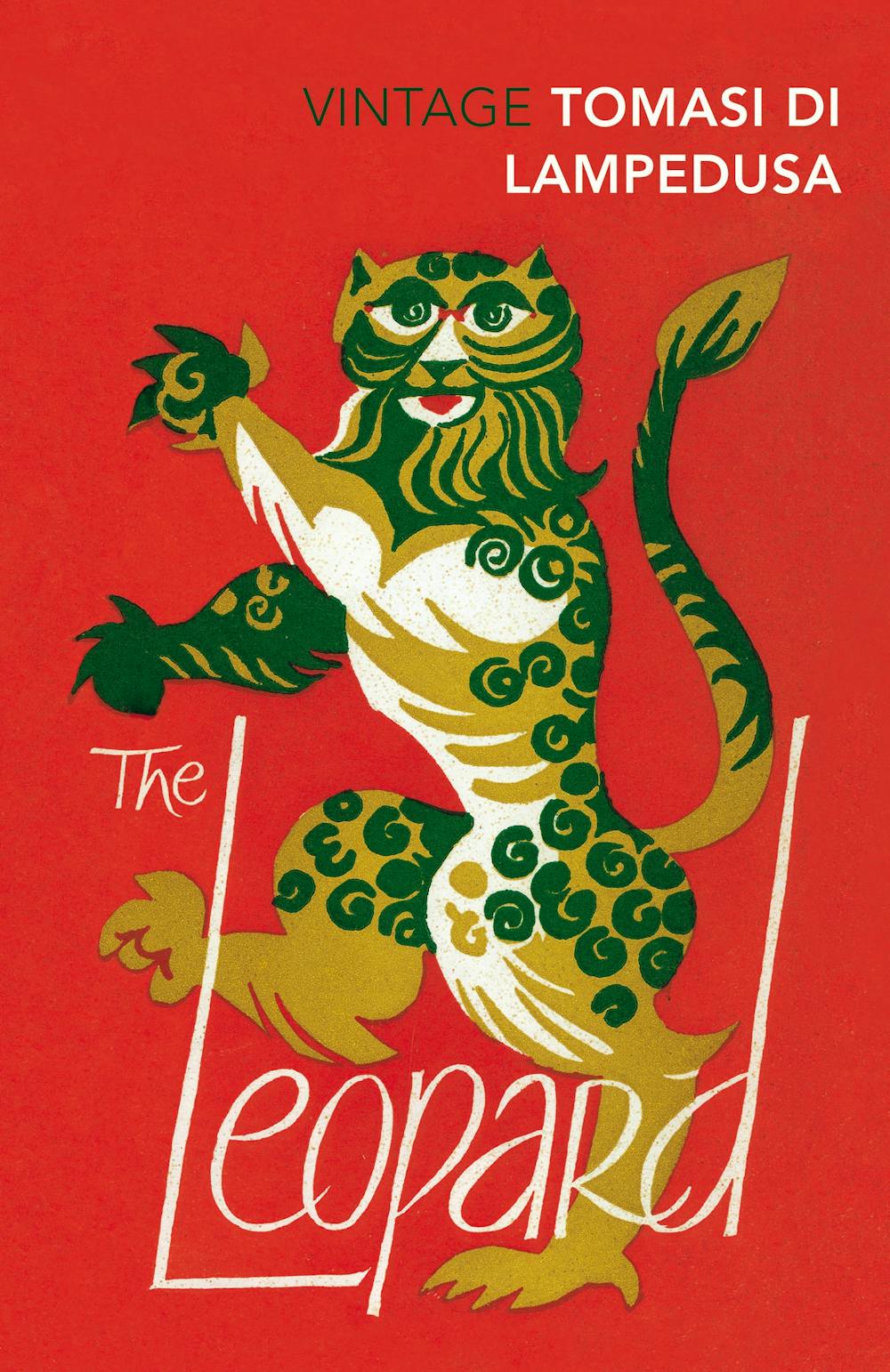 Penguin
The Leopard (Il Gattopardo) is one of the greatest Italian literary works of the 20th century. Since its publication in 1958, it has been regarded as a classic of European literature. Written by a Sicilian nobleman and set in the 19th-century during the Risorgimento – the movement for Italian Unification – it recounts the decline and fall of Sicily’s aristocracy.
Rosary, macaroni, faded grandeur
The action begins in 1860 when Italian general and patriot Giuseppe Garibaldi and his thousand volunteers land in Sicily to take the island from the Bourbons. They aim to unify the Kingdom of Naples – also known as the Kingdom of the Two Sicilies – with the Italian peninsula under the monarchy of Victor Emmanuel II. Events in the novel mark the passing of feudalism and the advent of modernity.
Yet everyday activities foreground the novel: daily recital of the Rosary, evening readings around the fire, faded grandeur of meals where “monumental dishes of macaroni” are served among massive silver and splendid glass, a walk and hunting expedition in the sunburnt Sicilian countryside, a magnificent ball.
The central character of the story is the irascible and reclusive Don Fabrizio Corbera, Prince of Salina, an aristocratic landowner and lover of astronomy, faithfully accompanied by his Great Dane Bendicò.
His family’s ancestral coat-of-arms shows an African serval or ocelot (mistakenly translated as leopard). The prince’s favourite nephew, the impoverished ambitious and frivolous Tancredi Falconeri, opportunistically supports the unification efforts of Garibaldi.
Penguin
The Leopard (Il Gattopardo) is one of the greatest Italian literary works of the 20th century. Since its publication in 1958, it has been regarded as a classic of European literature. Written by a Sicilian nobleman and set in the 19th-century during the Risorgimento – the movement for Italian Unification – it recounts the decline and fall of Sicily’s aristocracy.
Rosary, macaroni, faded grandeur
The action begins in 1860 when Italian general and patriot Giuseppe Garibaldi and his thousand volunteers land in Sicily to take the island from the Bourbons. They aim to unify the Kingdom of Naples – also known as the Kingdom of the Two Sicilies – with the Italian peninsula under the monarchy of Victor Emmanuel II. Events in the novel mark the passing of feudalism and the advent of modernity.
Yet everyday activities foreground the novel: daily recital of the Rosary, evening readings around the fire, faded grandeur of meals where “monumental dishes of macaroni” are served among massive silver and splendid glass, a walk and hunting expedition in the sunburnt Sicilian countryside, a magnificent ball.
The central character of the story is the irascible and reclusive Don Fabrizio Corbera, Prince of Salina, an aristocratic landowner and lover of astronomy, faithfully accompanied by his Great Dane Bendicò.
His family’s ancestral coat-of-arms shows an African serval or ocelot (mistakenly translated as leopard). The prince’s favourite nephew, the impoverished ambitious and frivolous Tancredi Falconeri, opportunistically supports the unification efforts of Garibaldi.
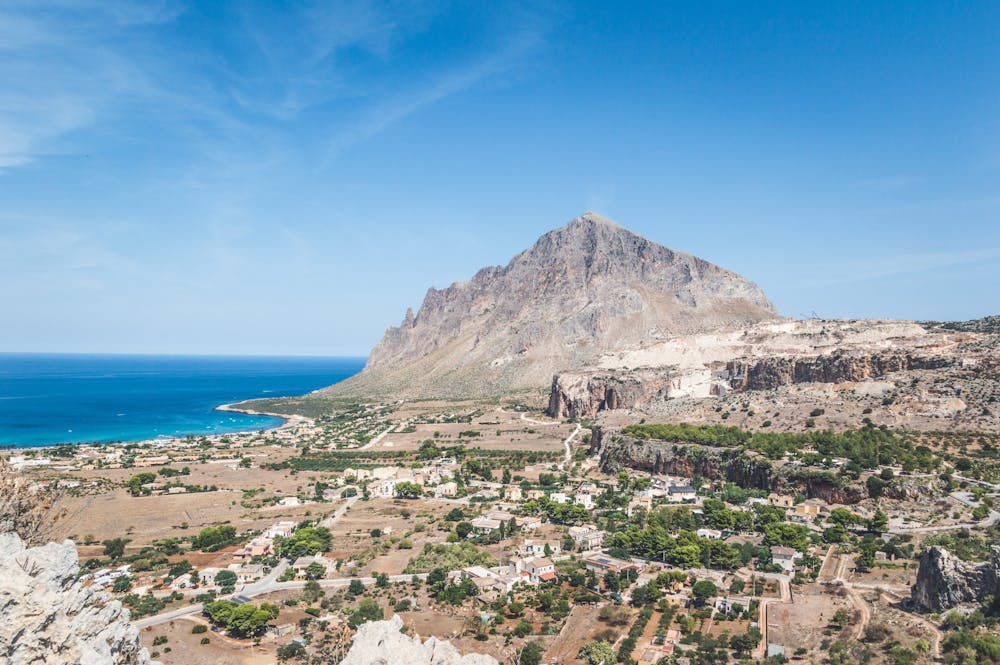 ‘Conceived apparently in a delirious moment of creation’, the unruly Sicilian landscape.
Krisjanis Mezulis/Unsplash, CC BY
Tancredi falls in love with the beautiful Angelica, leaving a cousin who loves him devastated and his aunt distraught. Angelica is the daughter of Don Calogero Sedàra, a member of the merchant class ascending to power.
The novel’s main tension lies in class struggle: between the falling elites represented by the house of Corbera and the climbing middle class represented by the unscrupulous Sedàra. The national unification led by Piedmont in Northern Italy – and by statesman Camillo Benso, Count of Cavour – will mark the end of the aristocracy’s as well as of the church’s privileges in Italy.
Don Fabrizio reluctantly realises the only way to ensure the career of his nephew, who aims to become a diplomat, is to give his blessing to Tancredi’s marriage with Angelica. The union will provide Tancredi with the money he will need to succeed in the new regime. It will also bestow a title of nobility on Angelica and her parents. By the book’s end, set in 1910, the prince has died and his line has ended.
Read more:
Guide to the classics: Tacitus' Annals and its enduring portrait of monarchical power
Rejected at first
The manuscript was initially rejected in 1956 and 1957. Important Italian publishers such as Mondadori and Einaudi thought it ideologically deficient, reactionary for its representation of an immobile history, and structurally weak. It also failed to align with the mainstream Italian literature of the time.
The manuscript was subsequently reviewed by writer Giorgio Bassani and published for Feltrinelli in 1958, a year after its author’s death.
Generally classified as a historical novel, The Leopard became a bestseller both in Italy and abroad, with 52 editions printed in the first four months. It won the prestigious Strega literary prize in 1959.
But critical debate erupted. The book appeared during an economic boom and when Italian intellectual culture was strongly politicised. Leftist intellectuals saw it as a backward, conservative portrayal of Sicilian elites written by a little-known man with no sense of progress.
After a few years, initial objections waned and the novel came to be appreciated for its writing and modern narrative structure.
With supple and ornate language, the book has an introspective storyline and alludes to the works of Shakespeare, Sterne, Tolstoy, Baudelaire, Keats, Proust and Stendhal. The narration is characterised by stylistic shifts that reflect both Prince Salina’s varying points of view and the unnamed but all-knowing narrator’s perceptions of history.
In 1963 director Luchino Visconti recreated The Leopard’s opulence in an unforgettable screen adaptation starring Burt Lancaster.
‘Nostalgia very similar to Gone With The Wind … says The New York Times!’Meditations on history and humanity
Although The Leopard is a representation of 19th century Sicilian aristocracy, it is also a contemplative and ironic distancing from this same world. It is, above all, a novel that provides a profound meditation on transition and historical causality.
Besides, The Leopard is an ambitious political book. Critical interpretations of the novel have divided on whether the author was bemoaning the decline of the traditional ruling class, mercilessly critiquing it, or reflecting on the limits of political reforms.
In the plot, we can find similarities between the Bourbons’ supremacy and fascism, between Garibaldi’s conquest and the allied occupation at the end of the second world war. The book foreshadows political life in the newly unified kingdom and economic transformations that paved the way for corruption and criminal organisations in post-1945 Italy.
Read more:
Looking back at Italy 1992: the rise and fall of King Midas
As journalist and author, Luigi Barzini, once said, the book “made all us Italians understand our life and history to the depths.”
The most memorable – and misread – line in the book is
If we want things to stay as they are, things will have to change.
Spoken by Tancredi, it references Sicilian society’s resistance to change. It is also the narrator’s rumination on modern Italy with its various paradoxes and divisions.
The Leopard is a family saga, a psychological novel, a meditation on death and on the loss of collective memory. It has been read as a lyrical and prophetic contemplation on the experience of modernity and on the risks that it involves, such as ambition, and loss of beauty and traditions.
A solitary, melancholic man, author Tomasi di Lampedusa was deeply aware of his own mortality. The Leopard was his only novel that, together with a collection of short stories and literary studies, was published posthumously. His book would sell more than 3.2 million copies, be translated into more than 37 languages, and rightly honoured as an “immortal” masterpiece.
‘Conceived apparently in a delirious moment of creation’, the unruly Sicilian landscape.
Krisjanis Mezulis/Unsplash, CC BY
Tancredi falls in love with the beautiful Angelica, leaving a cousin who loves him devastated and his aunt distraught. Angelica is the daughter of Don Calogero Sedàra, a member of the merchant class ascending to power.
The novel’s main tension lies in class struggle: between the falling elites represented by the house of Corbera and the climbing middle class represented by the unscrupulous Sedàra. The national unification led by Piedmont in Northern Italy – and by statesman Camillo Benso, Count of Cavour – will mark the end of the aristocracy’s as well as of the church’s privileges in Italy.
Don Fabrizio reluctantly realises the only way to ensure the career of his nephew, who aims to become a diplomat, is to give his blessing to Tancredi’s marriage with Angelica. The union will provide Tancredi with the money he will need to succeed in the new regime. It will also bestow a title of nobility on Angelica and her parents. By the book’s end, set in 1910, the prince has died and his line has ended.
Read more:
Guide to the classics: Tacitus' Annals and its enduring portrait of monarchical power
Rejected at first
The manuscript was initially rejected in 1956 and 1957. Important Italian publishers such as Mondadori and Einaudi thought it ideologically deficient, reactionary for its representation of an immobile history, and structurally weak. It also failed to align with the mainstream Italian literature of the time.
The manuscript was subsequently reviewed by writer Giorgio Bassani and published for Feltrinelli in 1958, a year after its author’s death.
Generally classified as a historical novel, The Leopard became a bestseller both in Italy and abroad, with 52 editions printed in the first four months. It won the prestigious Strega literary prize in 1959.
But critical debate erupted. The book appeared during an economic boom and when Italian intellectual culture was strongly politicised. Leftist intellectuals saw it as a backward, conservative portrayal of Sicilian elites written by a little-known man with no sense of progress.
After a few years, initial objections waned and the novel came to be appreciated for its writing and modern narrative structure.
With supple and ornate language, the book has an introspective storyline and alludes to the works of Shakespeare, Sterne, Tolstoy, Baudelaire, Keats, Proust and Stendhal. The narration is characterised by stylistic shifts that reflect both Prince Salina’s varying points of view and the unnamed but all-knowing narrator’s perceptions of history.
In 1963 director Luchino Visconti recreated The Leopard’s opulence in an unforgettable screen adaptation starring Burt Lancaster.
‘Nostalgia very similar to Gone With The Wind … says The New York Times!’Meditations on history and humanity
Although The Leopard is a representation of 19th century Sicilian aristocracy, it is also a contemplative and ironic distancing from this same world. It is, above all, a novel that provides a profound meditation on transition and historical causality.
Besides, The Leopard is an ambitious political book. Critical interpretations of the novel have divided on whether the author was bemoaning the decline of the traditional ruling class, mercilessly critiquing it, or reflecting on the limits of political reforms.
In the plot, we can find similarities between the Bourbons’ supremacy and fascism, between Garibaldi’s conquest and the allied occupation at the end of the second world war. The book foreshadows political life in the newly unified kingdom and economic transformations that paved the way for corruption and criminal organisations in post-1945 Italy.
Read more:
Looking back at Italy 1992: the rise and fall of King Midas
As journalist and author, Luigi Barzini, once said, the book “made all us Italians understand our life and history to the depths.”
The most memorable – and misread – line in the book is
If we want things to stay as they are, things will have to change.
Spoken by Tancredi, it references Sicilian society’s resistance to change. It is also the narrator’s rumination on modern Italy with its various paradoxes and divisions.
The Leopard is a family saga, a psychological novel, a meditation on death and on the loss of collective memory. It has been read as a lyrical and prophetic contemplation on the experience of modernity and on the risks that it involves, such as ambition, and loss of beauty and traditions.
A solitary, melancholic man, author Tomasi di Lampedusa was deeply aware of his own mortality. The Leopard was his only novel that, together with a collection of short stories and literary studies, was published posthumously. His book would sell more than 3.2 million copies, be translated into more than 37 languages, and rightly honoured as an “immortal” masterpiece.
Authors: Giorgia Alù, Associate Professor, Department of Italian Studies, University of Sydney
Read more https://theconversation.com/guide-to-the-classics-the-leopard-133443


















