

5 tips from a professional palaeontologist
- Written by Kailah Thorn, EdCC Earth Science Museum Curator, University of Western Australia
Many of us, at some point or another, dreamed of hunting for dinosaur fossils when we grew up. Palaeontology — the study of natural history through fossils — is the scientific reality of this. It encompasses all ancient lifeforms that left their trace in the earth, from stromatolites (microbial reefs up to 3.5 billion years old) to megafauna.
Australia has great fossil diversity and a lot of ground to cover, so it’s no surprise we have numerous active field naturalists, university clubs and Facebook groups out there fossicking for local treasures.
But amateur fossil collectors often aren’t provided with basic instructions from museums or government departments, to responsibly collect fossils. This means palaeontologists generally don’t encourage amateur collecting without supervision because of the environmental, cultural and scientific sensitivity of some sites, and rarity of some fossils.
But if you’re that kid, their parent or an amateur enthusiast still keen to get out there, I’ve put together a few pointers for collecting responsibly.
Why do we need to be responsible?
From the viewpoint of career palaeontologists, amateur fossil collecting has its pros and cons.
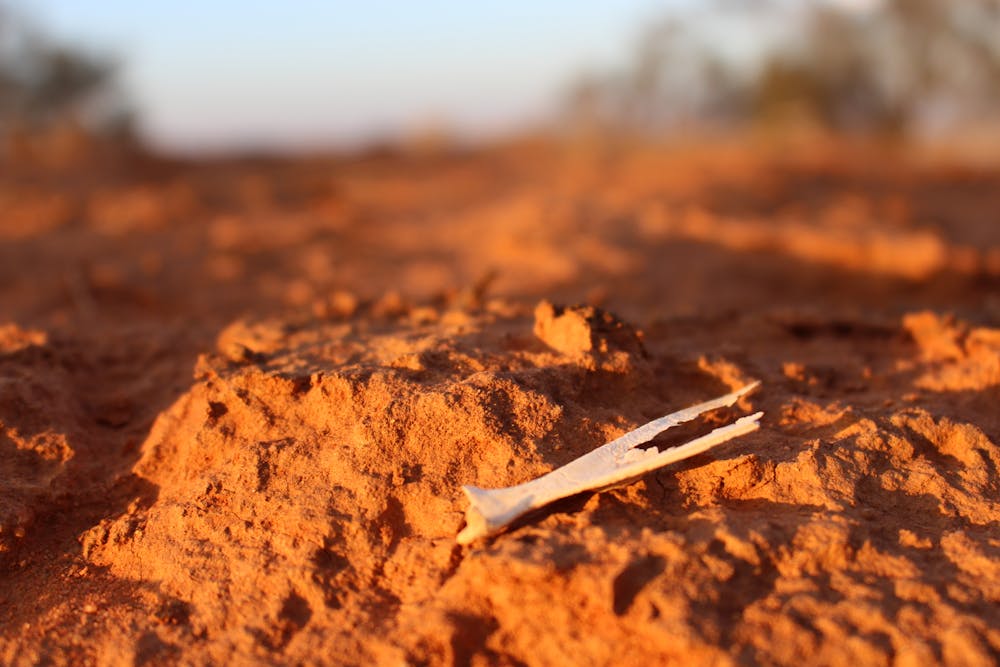 While some fossil remains like this fragment of rabbit are not important to science, it’s only with years of training or adequate identification aids can a collector know this.
Kailah Thorn, Author provided
While some fossil remains like this fragment of rabbit are not important to science, it’s only with years of training or adequate identification aids can a collector know this.
Kailah Thorn, Author provided
On the one hand, Australia has a great band of citizen scientists keen to help us cover more ground, particularly as funding and field work resources are becoming more scarce.
One of the most famous amateur collectors is Mary Anning from the UK. She was the first person to bring plesiosaurs and ichthyosaurs — marine reptiles from the time of the dinosaurs — to science without formal training or recognition when she was active in the early 19th century.
More recently, Museums Victoria has had successes with help from the public, such as the discovery of Miocene shark teeth (from around 25 million of years ago) in coastal limestone.
Fossil hunter Philip Mullaly discovered a very rare set of fossilised shark teeth in Jan Juc, Victoria.On the other hand, there are two possible negative outcomes from amateur fossil hunting.
The first is misidentification, which can lead to important specimens left collecting dust on bookshelves, placed in garden beds or broken in two during excavation.
But the situation we fear most is the commercialisation of palaeontology: putting a dollar value on scientifically irreplaceable specimens, placing them beyond the realm of museum or university acquisition budgets. For example, last year in the US, STAN the T. rex sold for US$31.8 million.
This doesn’t just hinder science, but also restricts access of really neat fossils to a handful of wealthy people, rather than a public audience.
Both of these outcomes are entirely avoidable with good science communication, and museum information officers.
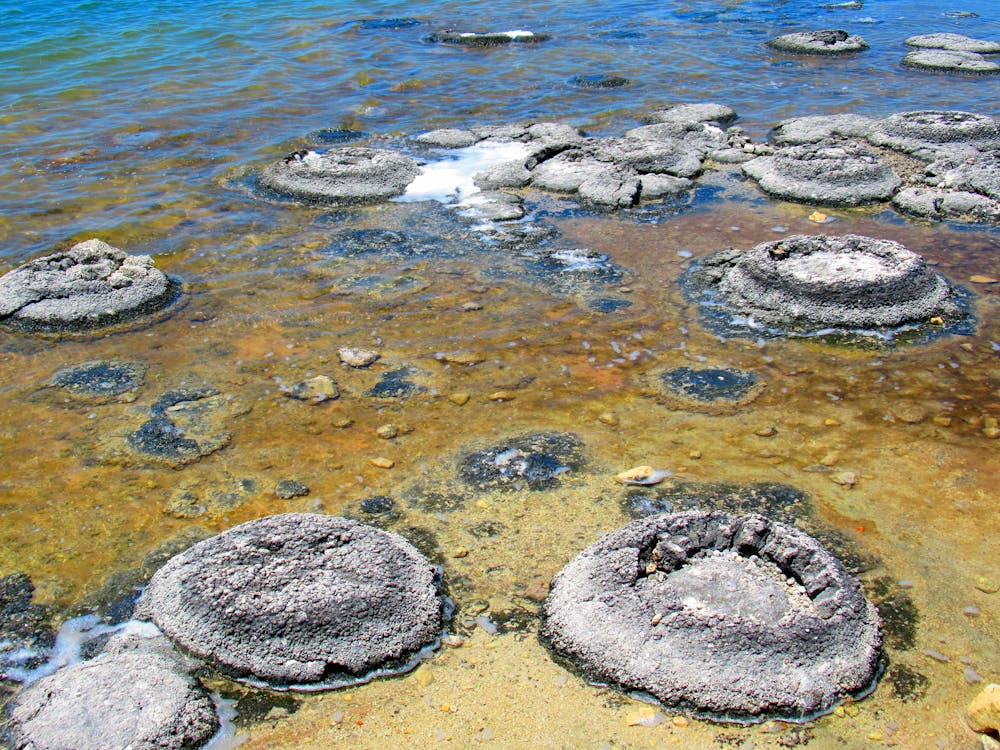 Stromatolites are rock formations created by bacteria. They’re one of the oldest living structures on Earth, and their fossils can be found in Western Australia.
Shutterstock
Stromatolites are rock formations created by bacteria. They’re one of the oldest living structures on Earth, and their fossils can be found in Western Australia.
Shutterstock
So how can you become a responsible citizen palaeontologist?
Here are five things to know before you go:
1. Get permission
Make sure you have permission to be somewhere (on private or public land), and to collect. This extends to permissions from Traditional Owners on native title, pasturalists and local councils. This, however, rules out any national parks. And depending on your state, you may need a permit to collect from crown land (set aside for government or public purposes) or council land.
It’s always a good idea to check with your state museum or interest group which sites are OK for fossicking — some may be culturally, historically or scientifically sensitive.
2. Stay safe
Never attempt any field work on your own, always bring a friend. Make sure you both know basic first aid and can contact emergency services in a pinch. Anything from a rolled ankle to a snake bite needs to be planned for.
You can avoid or manage risks for most hazards by wearing suitable clothing: long pants, enclosed shoes and sunglasses to shield your eyes from rock chips. Always slip-slop-slap to prevent sunburn.
3. Equipment
The equipment you need will depend on the fossils you’re looking for and the ground they’re in. Beginners should aim for fossils in sand dunes or crumbly rock. You can use paint brushes, dustpans, and kitchen sieves to unearth all kinds of marine fossils from ancient dunes or coral reefs.
Once you get the hang of it, you can try coastal limestones and hard clays with picks and trowels. Most importantly, bring a label kit and a field notebook.
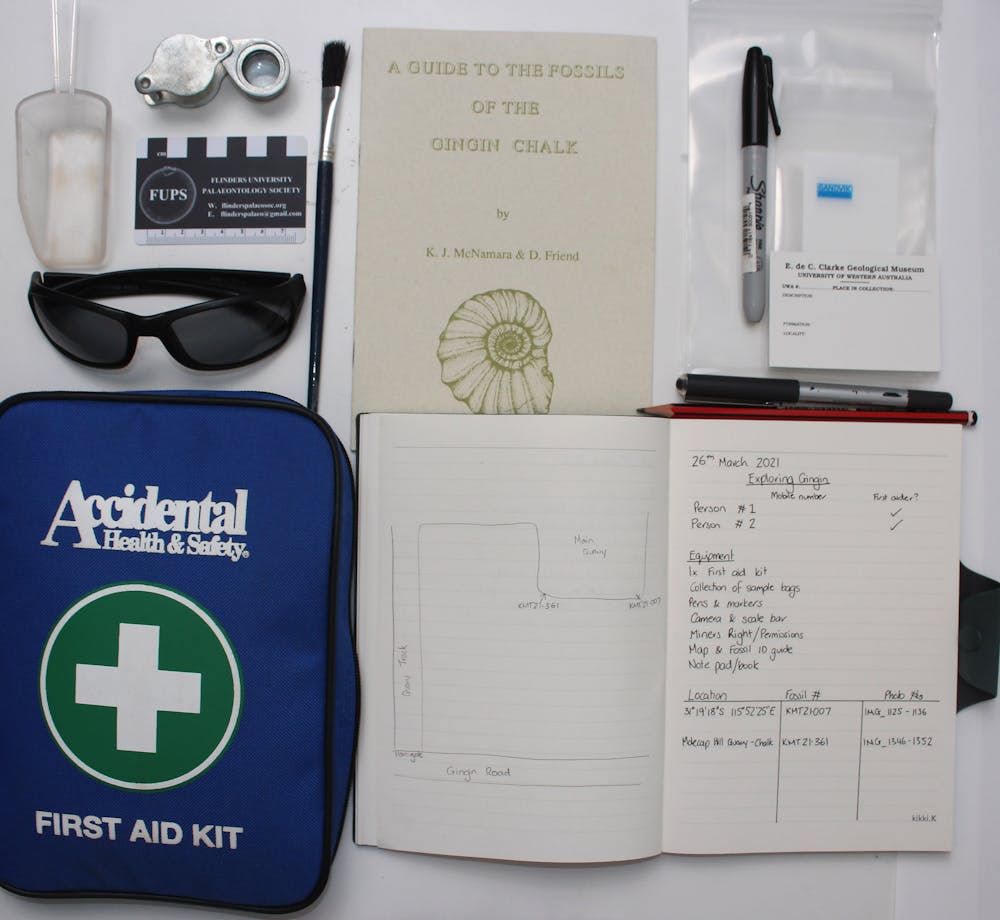 Plan what you need and make sure they all fit in a suitable back pack.
Kailah Thorn
Plan what you need and make sure they all fit in a suitable back pack.
Kailah Thorn
4. Leave some for the rest of us
If you hit the motherlode of Permian brachiopods and feel you don’t already have enough on your mantle, stop and think about the next generation of collectors.
Even the biggest museums show restraint in their collecting. Eventually you’ll run out of shelf space and the Permian geological record will run out of brachiopods (unlikely, but the point remains).
5. Be a citizen scientist
Identify what you’ve found, label it and do some research into it’s significance.
Keep a detailed notebook containing a record of where you found each specimen, when and who found it, and details about the rock or dirt it came from. Take plenty of photos before and after you pry it out of the earth.
Identifying your fossil
There are a number of online resources for identifying Australian fossils. A good place to start is Paleobiology Database where you can explore a map of fossil sites across Australia, from Gingin in Western Australia to Bayside, Victoria (and the rest of the world).
Get in touch with your state museum if you think you’ve found something special, or can’t quite figure out what you have once your Google search comes to a dead end. Anything that hasn’t been recorded from that location or is remarkably well preserved is worth looking into further.
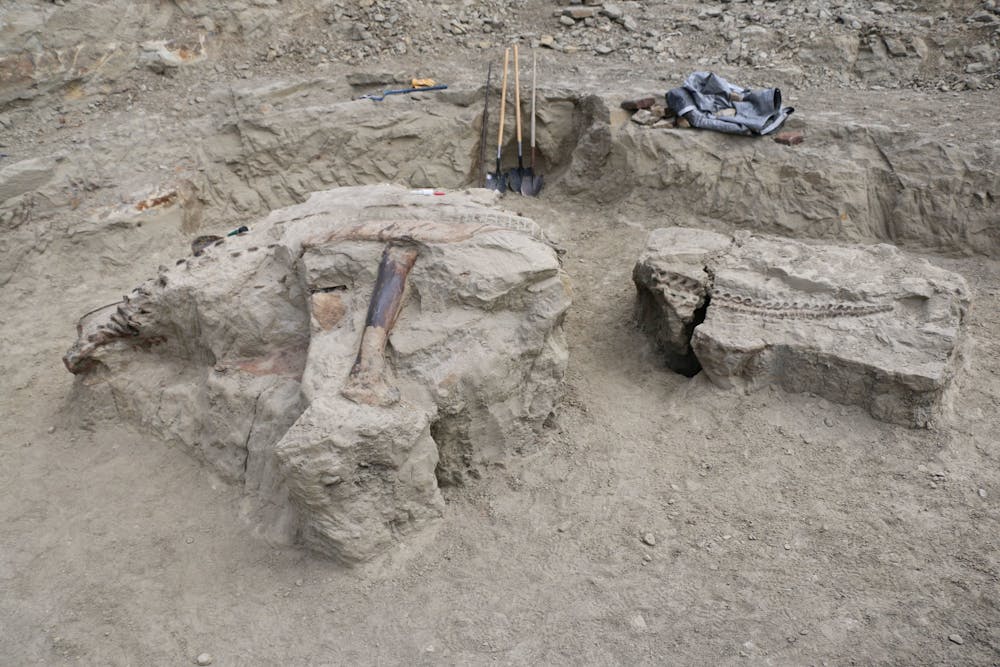 Museums Victoria has acquired a near-complete fossil of a 67 million-year-old adult Triceratops found in the US. At 87% complete, the specimen is the most complete and most finely preserved Triceratops ever found.
AAP Image/Museums Victoria
Museums Victoria has acquired a near-complete fossil of a 67 million-year-old adult Triceratops found in the US. At 87% complete, the specimen is the most complete and most finely preserved Triceratops ever found.
AAP Image/Museums Victoria
Plan for demise (of you or your hobby, whichever comes first). The reason we have museums — and why they’re entrusted to look after Australia’s fossil heritage in perpetuity — is their ability to plan ahead of our lifetime.
What happens to your collection when you can no longer store it? Do you want to pass it on to a friend or family member? Will you donate it to a school, university or museum?
Write down a plan for your collection and make sure it’s always stored with adequate labels, somewhere it won’t be destroyed by time as it’s exposed to temperature, humidity, pests and minimalist family members.
Once you’re equipped with the knowledge and resources, get out there and contribute to the field and help conserve Australia’s rich palaeontological heritage.
Authors: Kailah Thorn, EdCC Earth Science Museum Curator, University of Western Australia

















