

The Expert's Guide to Understanding Large Bore Steel Pipe Specifications
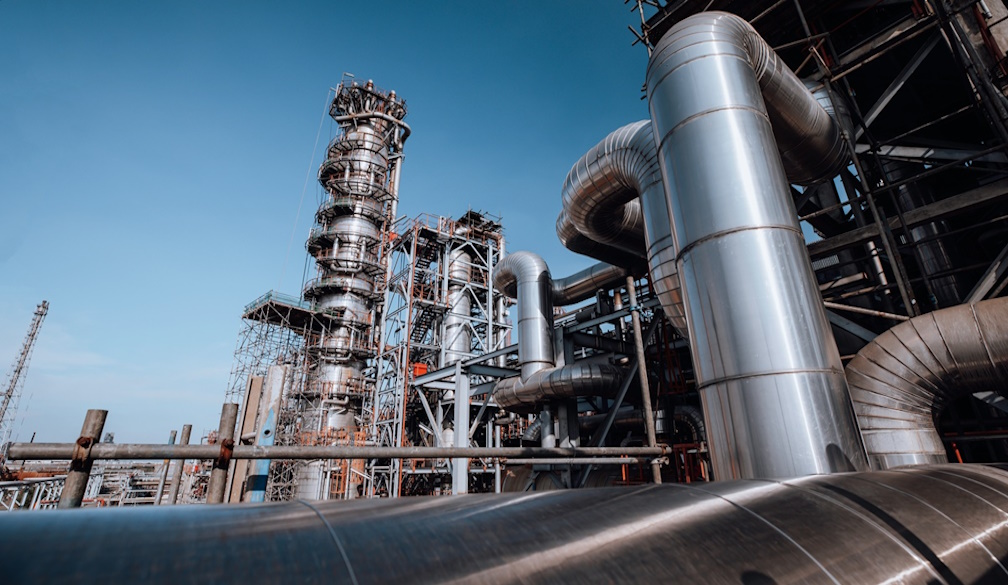
When it comes to infrastructure, construction, and various industrial applications, the choice of materials is paramount. Among the options available, the use of steel pipes stands out for its strength, durability, and reliability. However, not all steel pipes are created equal. This guide delves into the specifications of what you need to know about it, ensuring you make informed decisions for your projects.
From understanding the different grades of steel to deciphering the various standards and dimensions, navigating the world of steel pipes can seem daunting. But fear not, this comprehensive guide is designed to equip you with the knowledge you need to confidently select the right pipe for the job. Let's explore the crucial aspects of understanding large bore steel pipe and its specifications.
What is large bore steel pipe?
In simple terms, it refers to steel pipes with a larger diameter than standard pipes. The exact dimensions considered "large bore" can vary depending on the industry and application, but generally, it implies a diameter significantly greater than those used in residential plumbing. These pipes are typically employed in projects that demand high flow rates or structural integrity, such as water mains, oil and gas pipelines, and large-scale construction projects.
The size and specifications of steel pipes are critical for ensuring efficient and safe operation. Using an undersized pipe can lead to reduced flow rates and increased pressure, while using an oversized pipe can result in unnecessary costs and structural challenges. Therefore, understanding the specific requirements of your project and selecting the appropriate steel pipe is essential for success.
Key applications of large bore steel pipe
The versatility of it makes it suitable for a wide range of applications. Here are some of the most common uses:
- Water mains: Transporting potable water over long distances requires pipes that can handle high volumes and pressure.
- Oil and gas pipelines: Safely conveying crude oil, natural gas, and other hydrocarbons across vast areas.
- Sewer systems: Managing large volumes of wastewater and sewage in urban and industrial settings.
- Structural supports: Providing robust support for bridges, buildings, and other infrastructure projects.
- Mining operations: Transporting slurry, tailings, and other materials in mining environments.
Understanding steel pipe specifications
To make an informed decision when selecting it, it's crucial to understand the various specifications that define its characteristics and performance. These specifications cover aspects such as material grade, dimensions, wall thickness, and manufacturing standards. Let's examine each of these factors in detail.
Material grade
The grade of steel used to manufacture the pipe significantly impacts its strength, corrosion resistance, and weldability. Common steel grades for pipes include carbon steel, alloy steel, and stainless steel. Each grade possesses unique properties that make it suitable for different applications. For instance, carbon steel is cost-effective and widely used, while stainless steel offers superior corrosion resistance in harsh environments.
Selecting the appropriate steel grade requires careful consideration of the operating conditions, fluid being transported, and desired lifespan of the pipeline. Consulting with a materials engineer can help ensure that the chosen grade meets the specific demands of your project.
Dimensions and wall thickness
The dimensions of steel pipes, including the outer diameter (OD) and inner diameter (ID), are critical for ensuring proper fit and flow capacity. Wall thickness, which refers to the thickness of the pipe wall, determines the pipe's ability to withstand internal pressure and external loads. These dimensions are typically specified in millimetres or inches, and adhering to the correct dimensions is essential for ensuring the integrity of the pipeline system.
The selection of appropriate dimensions and wall thickness should be based on factors such as operating pressure, flow rate, and external loads. Using a pipe that is too thin can lead to failure under pressure, while using a pipe that is too thick can result in unnecessary costs and weight. Therefore, a thorough engineering analysis is necessary to determine the optimal dimensions for your specific application.
Manufacturing standards
Steel pipes are manufactured in accordance with various industry standards that define the production processes, testing requirements, and quality control measures. These standards ensure that the pipes meet minimum performance criteria and are safe for use in their intended applications. Some of the most common manufacturing standards for steel pipes include:
- AS 1074: Steel tubes and tubulars for ordinary service.
- AS/NZS 1594: Hot-rolled steel flat products.
- API 5L: Specification for line pipe.
- ASTM A53: Standard specification for pipe, steel, black and hot-dipped, zinc-coated, welded and seamless.
Adhering to these standards is crucial for ensuring the quality and reliability of steel pipes. Reputable manufacturers will provide documentation and certifications to demonstrate that their pipes comply with the relevant standards.
Factors influencing pipe selection
Selecting the right it for your project involves considering a variety of factors, including:
- Operating pressure: The maximum internal pressure the pipe will be subjected to.
- Flow rate: The volume of fluid that needs to be transported through the pipe per unit of time.
- Fluid type: The chemical composition and properties of the fluid being transported.
- Environmental conditions: The temperature, humidity, and other environmental factors that the pipe will be exposed to.
- Installation requirements: The methods and equipment required to install the pipe.
- Budget constraints: The overall cost of the pipe, including materials, manufacturing, and installation.
By carefully evaluating these factors, you can narrow down your options and select a steel pipe that meets the specific demands of your project.
Importance of corrosion resistance
Corrosion is a significant concern for steel pipes, particularly those used in harsh environments or for transporting corrosive fluids. Corrosion can weaken the pipe, leading to leaks, failures, and costly repairs. Therefore, selecting a steel pipe with adequate corrosion resistance is crucial for ensuring the longevity and reliability of the pipeline system.
Various methods can be used to enhance the corrosion resistance of steel pipes, including:
- Using corrosion-resistant materials: Selecting steel grades that are inherently resistant to corrosion, such as stainless steel or alloy steel.
- Applying protective coatings: Coating the pipe with a layer of protective material, such as epoxy, polyethylene, or galvanising.
- Implementing cathodic protection: Using an electrical current to prevent corrosion.
Considering the lifespan of the pipe
The desired lifespan of the steel pipe is another important factor to consider. Depending on the application, pipes may be expected to last for several decades. Selecting a pipe with adequate durability and corrosion resistance is essential for achieving the desired lifespan. Factors such as material grade, wall thickness, and protective coatings can all influence the lifespan of the pipe.
Performing regular inspections and maintenance can also help extend the lifespan of steel pipes. This includes checking for signs of corrosion, leaks, and other damage, and taking corrective action as needed.
Installation and maintenance considerations
Proper installation and maintenance are crucial for ensuring the long-term performance and reliability of it. Incorrect installation can lead to premature failures, while inadequate maintenance can exacerbate corrosion and other forms of damage. Therefore, it's essential to follow best practices for installation and maintenance to maximise the lifespan of your steel pipe system.
Welding techniques
Welding is a common method for joining sections of steel pipe together. However, improper welding techniques can compromise the integrity of the joint, leading to leaks and failures. Therefore, it's essential to use qualified welders and follow established welding procedures. These procedures should specify the type of welding rod, welding current, and other parameters that are appropriate for the specific steel grade and pipe dimensions.
Non-destructive testing methods, such as ultrasonic testing and radiographic testing, can be used to verify the quality of the welds. These tests can detect defects such as cracks, porosity, and lack of fusion, which can weaken the joint.
Inspection and testing
Regular inspection and testing are essential for detecting potential problems before they escalate into major failures. Inspections should include visual checks for signs of corrosion, leaks, and other damage. Testing methods, such as hydrostatic testing and pressure testing, can be used to verify the integrity of the pipe under pressure.
The frequency of inspections and testing should be based on factors such as the operating conditions, fluid being transported, and age of the pipeline. A well-defined inspection and testing program can help identify potential problems early on, allowing for timely repairs and preventing costly failures.
Working with suppliers and manufacturers
Selecting a reputable supplier and manufacturer is crucial for ensuring the quality and reliability of your steel pipes. Look for suppliers and manufacturers that have a proven track record of providing high-quality products and excellent customer service. They should be able to provide documentation and certifications to demonstrate that their pipes comply with the relevant manufacturing standards.
When working with suppliers and manufacturers, be sure to clearly communicate your specific requirements and expectations. This includes specifying the material grade, dimensions, wall thickness, and manufacturing standards that you require. It's also important to discuss any special requirements, such as corrosion resistance or installation considerations.
Importance of certifications and compliance
Certifications and compliance with industry standards are essential indicators of the quality and reliability of steel pipes. Reputable suppliers and manufacturers will have certifications from recognised organisations that demonstrate their compliance with relevant standards. These certifications provide assurance that the pipes have been manufactured and tested in accordance with established procedures and meet minimum performance criteria.
When selecting a supplier or manufacturer, be sure to ask for copies of their certifications and verify that they are current and valid. This will help ensure that you are purchasing steel pipes that meet the required standards and are safe for use in your intended application. Investing in high-quality large bore steel pipe will pay dividends in the long run with enhanced performance.
Also Read: How To Select The Right Large Bore Steel Pipe For Your Project


















