

Lockdowns make people lonely. Here are 3 steps we can take now to help each other
- Written by: Michelle H Lim, Senior Lecturer and Clinical Psychologist, Swinburne University of Technology
Millions of Australians are currently living under lockdowns in an effort to curb the rapid spread of the Delta variant of COVID-19.
While lockdowns and other social distancing restrictions are important strategies to protect Australians’ physical health during the pandemic, it’s no secret they take a significant toll on mental health.
As well as financial stressors, including the loss of work, prolonged or frequent lockdowns can affect mental health by disrupting social routines. This puts people in lockdown at risk of loneliness.
So with lockdowns and social restrictions likely to be a part of life in Australia until a significant majority of us are fully vaccinated, it’s timely to think about what we can do to look out for people who may be vulnerable.
Lockdowns and loneliness
Lockdowns reduce our opportunities to connect with loved ones in person, and slow our ability to develop or foster new connections. Many families are also divided across borders — both domestic and international — with little certainty as to when they’ll be able to reunite.
We collected data from the United Kingdom, the United States and Australia, examining loneliness levels in relation to the severity of social restrictions during the first six months of the pandemic.
Although our research is yet to be published, we found, somewhat unsurprisingly, that as social restrictions eased, loneliness levels also dropped significantly.
 During lockdowns, the social contact we can have with others face-to-face is limited. This can take a toll on well-being.
Shutterstock
During lockdowns, the social contact we can have with others face-to-face is limited. This can take a toll on well-being.
Shutterstock
While it’s normal to feel lonely from time to time, some people are at higher risk of problematic levels of loneliness. We found being aged 18-25, being unemployed, and living alone were among the factors that predicted higher levels of loneliness.
Why should we care about loneliness?
For some people, experiencing persistent or distressing levels of loneliness can lead to poor health. In part, this may be because loneliness creates a physiological stress response.
Researchers from Denmark found loneliness increases a person’s chance of developing heart disease by 20%, and type 2 diabetes by 90% within a five-year period.
While people with a mental health disorder are more likely to report being lonely, it goes the other way too. Loneliness predicts more severe depression, social anxiety and paranoia.
Read more: It's hard to admit we're lonely, even to ourselves. Here are the signs and how to manage them
There’s increasing recognition that feeling lonely also costs businesses. Loneliness has been estimated to set UK employers back up to £2.53 billion per year, owing to factors such as higher staff turnover, lower job satisfaction and lower productivity.
The adoption of remote working practices beyond the immediate crisis of the COVID-19 pandemic will further limit our ability to form or keep those small, informal but important moments to connect with colleagues.
How can we help those who may be at risk?
Loneliness is a personal and distressing experience that can be complex to resolve.
But for people who are lonely, feeling meaningfully connected to others can help. Here are four steps we can all take to help people who may be experiencing loneliness.
1. Listen out
People who are lonely may not readily or explicitly complain about their loneliness due to fear of judgement or stigma.
If they do reach out, a person who is lonely may ask to connect in an indirect or non-urgent way. This can be because people who feel lonely don’t want to burden others. For example, “when you have time, let’s catch up” may appear non-urgent, but it’s important to respond to these requests.
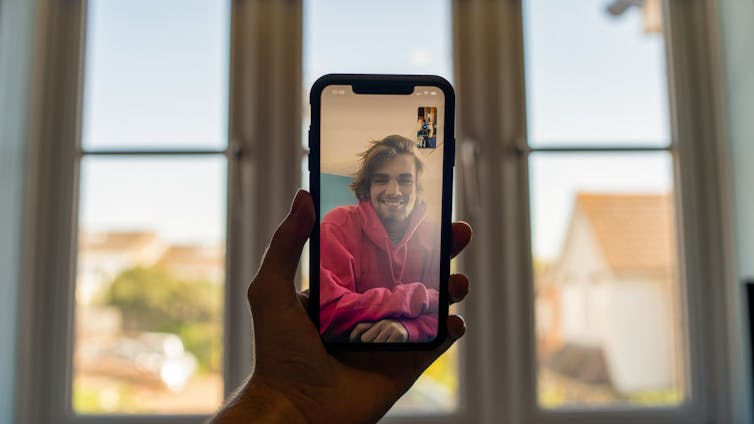 We’re lucky to have digital means to communicate during the pandemic. But loneliness remains a significant health problem.
Ben Collins/Unsplash
We’re lucky to have digital means to communicate during the pandemic. But loneliness remains a significant health problem.
Ben Collins/Unsplash
2. Check in and share
Living in a lockdown is stressful, but it’s a shared experience. It presents us with opportunities to show kindness to people we may not know well. A simple “hello” can go a long way for many.
Asking others how they are can become part and parcel of our conversations with each other. Indeed, checking in — even with people who we may not know well, such as co-workers, neighbours, or the barista at the local coffee shop — is becoming the new normal.
Where appropriate, more often than not, sharing our lockdown experiences can create an opportunity to bond with and support each other.
Read more: Are the kids alright? Social isolation can take a toll, but play can help
3. Ask the right questions
If someone shares they are feeling lonely, asking “is there anything I can do to help?” facilitates the conversation and lets others know you are there without judgement.
Don’t assume what works for you will work for someone else. Ask them “what do you think could help you?”
Being proactive
Since the pandemic began, many Australians have discovered different ways to keep in touch beyond the zoom call. These include things like writing stories and letters, leaving care packages, and exercising with a friend (while socially distanced and with masks).
Millions of Australians are living with multiple sources of stress right now. But it’s not impossible to show emotional support and care to people around us while still sticking to social distancing rules.
Employers must also take proactive steps to keep workers engaged with each other and to the organisation.
Read more: Lonely in lockdown? You're not alone. 1 in 2 Australians feel more lonely since coronavirus
So long as lockdowns are used as a strategy against the virus, there will be a social cost to our well-being. But that only makes it more important than ever that we make the effort to stay meaningfully connected to others.
Authors: Michelle H Lim, Senior Lecturer and Clinical Psychologist, Swinburne University of Technology


















