

More clean energy means more mines – we shouldn't sacrifice communities in the name of climate action
- Written by: Nick Bainton, Associate Professor, The University of Queensland
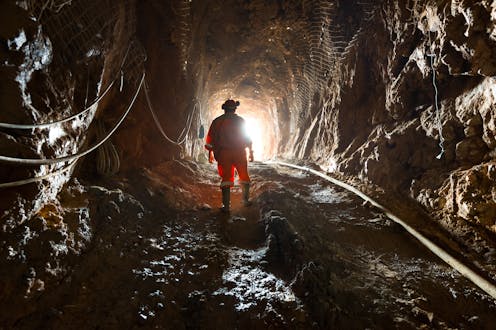
As the world shifts to renewable energy and fossil fuel industries close down, what will happen to the local workforce, communities and businesses that depend on them?
This week, at the global climate summit in Glasgow, business, government, and civil society leaders discussed how a “just transition” can help address the social challenges ahead. The term “just transition” is about prioritising decent work and quality jobs for displaced workers as coal mines, oil refineries, power plants and more, are rapidly phased out.
But, as we explain in our recent research paper, the idea of a just transition needs to expand. Many new mines will be required to meet demand for minerals used in clean energy infrastructure. And these mines may come with enormous impacts, including new forms of inequality, social exclusion, and impacts on land and natural resources.
If we fail to balance the social impacts of climate change with responsible climate action, we risk substituting one kind of harm for another – and this would be a disaster of another kind.
Justice in the energy transition
The world will need vast amounts of minerals and metals for clean technology, including iron ore for wind and solar power infrastructure, copper for electrification systems, and nickel for battery storage.
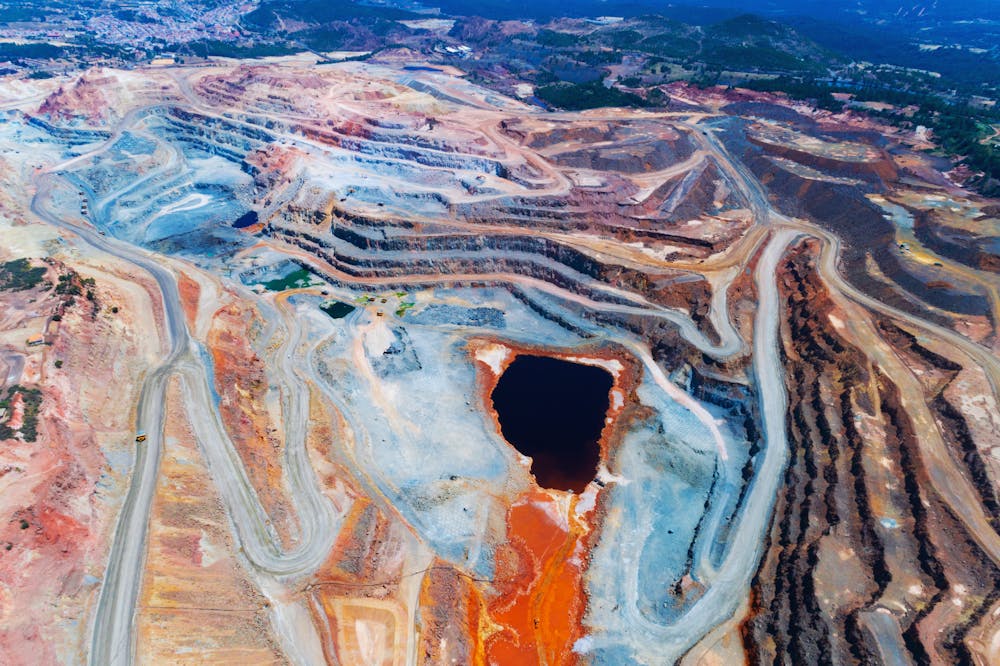
The mines for these energy transition minerals are likely to be deeper, lower grade, more energy and water-intensive, and built on Indigenous peoples’ lands. They will produce more mine waste and more hazardous tailings (mining residue).
Installing new renewable energy projects, such as solar and wind farms, will also cause social and environmental impacts. These projects need large areas of land, which can limit the rights of Indigenous peoples.
Read more: Why most Aboriginal people have little say over clean energy projects planned for their land
The International Energy Agency predicts the combined revenues from critical minerals will overtake fossil fuels before 2040. Given this soaring demand, governments will be under pressure to attract investment, and approve new mines.
This will seriously test community consultation and processes for obtaining free, prior and informed consent from Indigenous peoples.
Big new mines also carry the potential to leave costly mining legacies. The historical problem of environmental clean-up and abandoned mines is an issue worldwide, as mined rocks can seep acid and heavy metals into waterways for decades. Building more mines would add to this problem.
We’ve already seen big impacts from mining energy transition minerals in, for example, Australia. At McArthur River, Traditional Owners continue to oppose the environmental and social impacts of lead and zinc mining to the nearby township of Borroloola, including the leaking of potentially harmful contaminants and smouldering waste rock.
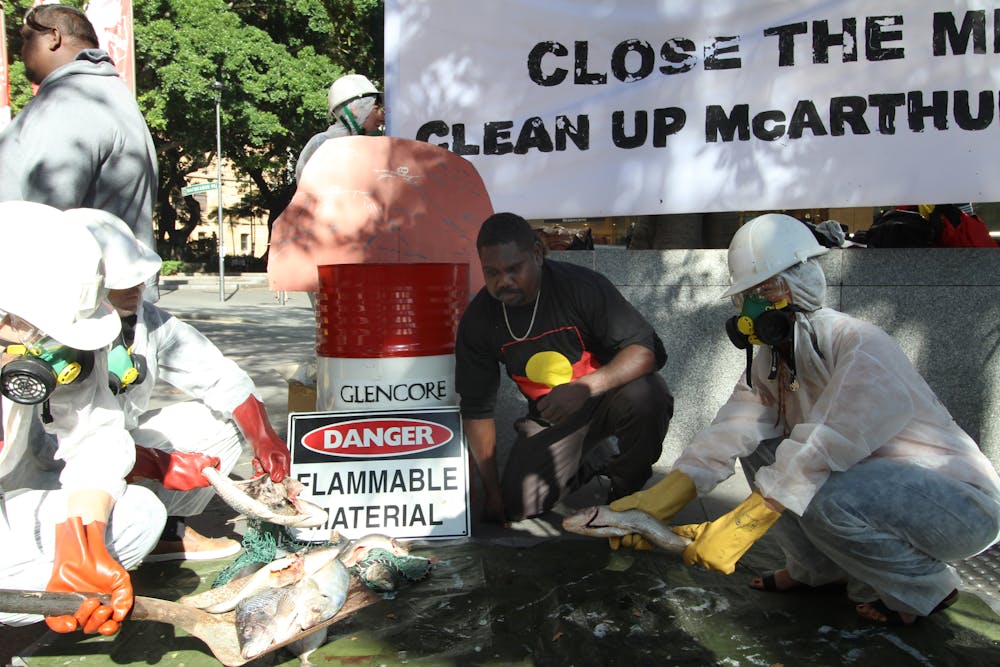 Scores of protesters in Sydney demanded miner Glencore close and clean up its McArthur River site in the Top End, in 2016.
AAP Image/Essential Media
Scores of protesters in Sydney demanded miner Glencore close and clean up its McArthur River site in the Top End, in 2016.
AAP Image/Essential Media
Some countries are scrambling to secure the materials they need to transition their energy systems. China for instance has a monopoly on the production of rare-earth elements, such as neodymium, which are essential for renewable technologies like wind turbines and electric vehicles.
The uncertainty in the supply of these minerals could trigger new geopolitical conflicts, putting the era of open competition on global commodities markets under pressure. This could reduce transparency, and further increase human rights risks in supply chains.
A just transition must work to avoid these kind of sacrifice zones in remote mining communities and along global supply chains in the name of climate action.
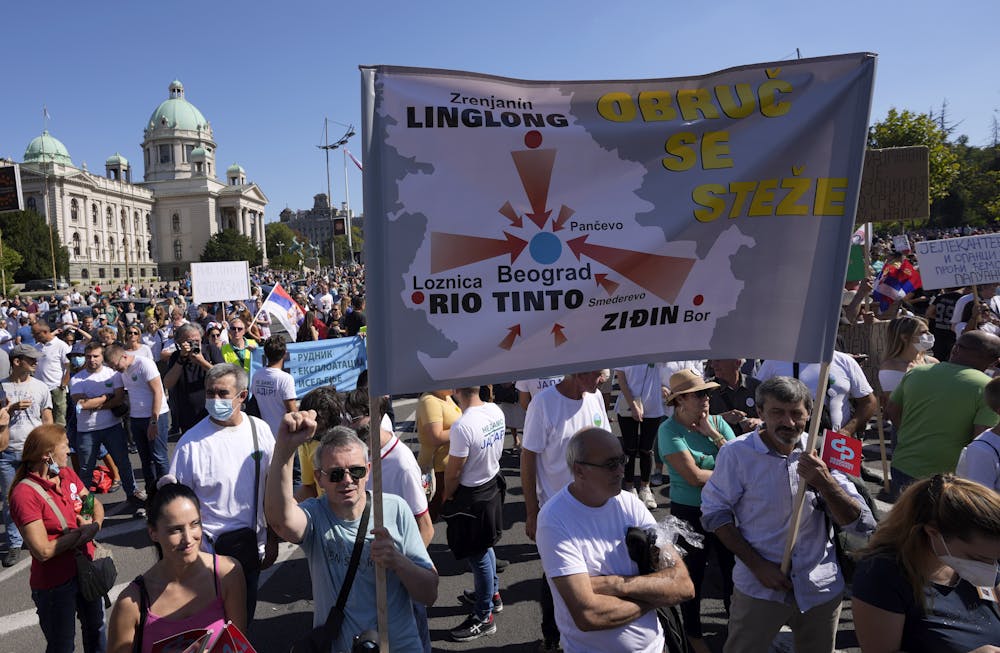 Hundreds of protesters in Serbia recently rallied against Rio Tinto opening a massive new lithium mine in western part of the country.
AP Photo/Darko Vojinovic
Hundreds of protesters in Serbia recently rallied against Rio Tinto opening a massive new lithium mine in western part of the country.
AP Photo/Darko Vojinovic
Expanding the idea is gaining traction
A just transition was first proposed by the trade union movement in the 1970s. It was also mentioned in the preamble to the Paris Agreement and reaffirmed in the 2018 Silesia Declaration.
Read more: Land, culture, livelihood: what Indigenous people stand to lose from climate 'solutions'
The roundtable at Glasgow this week was a milestone, as it put the full scope of a just transition on the COP agenda. In opening the roundtable, former Irish president and climate justice campaigner Mary Robinson said the energy transition should uphold human rights, gender equality and the rights of workers everywhere.
Likewise, Sharan Burrow, General Secretary of the International Trade Union Confederation, said climate action should enable workers and communities to thrive with new jobs in a socially inclusive green economy. This underpins calls for a Green New Deal across the world.
And the Institute for Human Rights and Business, which convened the roundtable this week, plans to host a just transition event at every future COP.
So what do we need to do?
It’s taken decades to get the social impacts of climate change on the global agenda. Now, we must put greater focus on the social impacts of climate action.
The UN Guiding Principles on Business and Human Rights is an important place to start. This is an essential instrument to help all companies – mining, renewable technology and finance – take responsibility for their social and environmental impacts.
Read more: COP26: a four-minute guide by a climate scientist
The principles require businesses to conduct human rights due diligence to avoid harming workers, local communities and people further down the renewables supply chain. This requires companies to understand where they may infringe on the rights of others, and act on these findings.
This is similar to the idea of climatising human rights, where powerful parties are held legally accountable for their climate impacts and actions.
The European Union is considering mandatory human rights due diligence laws, compelling businesses to assess the social and human rights impacts of climate action whether they’re extracting minerals or building renewable energy projects. This would be an important step towards climatising human rights.
These initiatives provide a platform for change. What’s missing is real action to carry them forward and achieve justice across all aspects of the energy transition.
That’s why tracking progress will be vital. The World Benchmarking Alliance has launched a just transitions assessment tool, and its findings were damning. It showed high-emitting companies are not using their influence to protect people, manage social impacts and advocate for a just transition.
This needs to change, urgently, as increased rates of extraction under the stress of climate change will create new patterns of harm.


















