

as floods hit south-west Sydney, our research shows councils aren't prepared
- Written by Nicky Morrison, Professor of Planning, Western Sydney University
Thousands of people in south-western Sydney have been ordered to evacuate as extreme rain pummels the region and floodwaters rise rapidly. The downpour is expected to continue for days.
This region, particularly Western Sydney, is no stranger to climate-related disasters. Rain is falling on catchments already sodden from severe floods in March last year. Western Sydney is also vulnerable to extreme heat, and is 8-10℃ hotter than east Sydney during heatwaves.
Local councils are the level of government closest to communities and help determine how well regions withstand disasters like floods. But are councils prepared for the more frequent and intense disasters that climate change brings?
According to our new research on eight Western Sydney councils, the answer is no. We find it’s not easy to deliver action on the ground as these councils try to balance competing priorities in urban development, with limited resources and stretched budgets.

Balancing responsibilities
When disasters such as floods strike, state and territory governments can declare a state of emergency and create evacuation orders.
But local councils are in a central position to increase community resilience and communicate directly with locals. This includes flood mapping, restricting certain developments near high-risk areas, and making evacuation routes known to residents.
Clearly distinguishing these responsibilities is crucial for Western Sydney, which is one of Australia’s fastest growing regionsand feels the destructive impacts of climate change intensely.
Western Sydney councils are currently dealing with back-to-back disasters in a continual crisis management cycle. At the same time, they’re tasked with pushing forward the NSW government’s housing and infrastructure development targets, which includes building almost 185,000 houses between 2016 and 2036.
Coupled with a lack of staff and funding, do they really have the capacity to cope with all this?
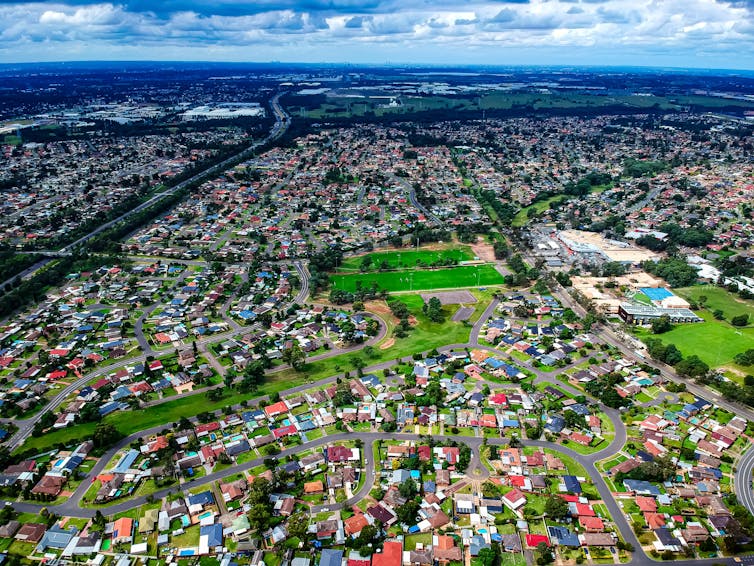
 Western Sydney is one of Australia’s fastest growing regions.
Shutterstock
Western Sydney is one of Australia’s fastest growing regions.
Shutterstock
What we found
We analysed 150 local government policies and planning documents, as well as local health district strategies. We also conducted 22 stakeholder interviews across the eight Western Sydney councils.
The good news is each council recognises the importance of addressing climate risk, and demonstrates a strong commitment to implementing sustainability, climate and resilience strategies. While action to mitigate climate change impacts on health and well-being is happening, the strategies are at very early stages.
According to our interviews, there’s a strong desire to do more, and all councils agree emergency preparedness and recovery work must take priority. While a NSW resilience program aims to address this, it doesn’t necessarily align with the unique risks each local community faces.
Read more: The east coast rain seems endless. Where on Earth is all the water coming from?
Acting quickly to move from planning to implementing strategies – such as redesigning buildings to match climate predictions – just isn’t in their capacity. And indeed, councils could not achieve this in time to mitigate the next climate crisis event.
Despite councils receiving money from the NSW government’s disaster assistance funding, they can struggle to pay for recovery from events like flooding. It can take weeks, months, or even years to get local communities back on their feet.
As the councils explained to us, this means already limited funds get pulled away from other work, such as long-term sustainability goals, or simply important day-to-day provisions.
Hawkesbury, Fairfield and Penrith city councils are especially challenged. They experienced the worst flooding in 50 years last March and now face even greater flood alert warnings at Hawkesbury-Nepean River.
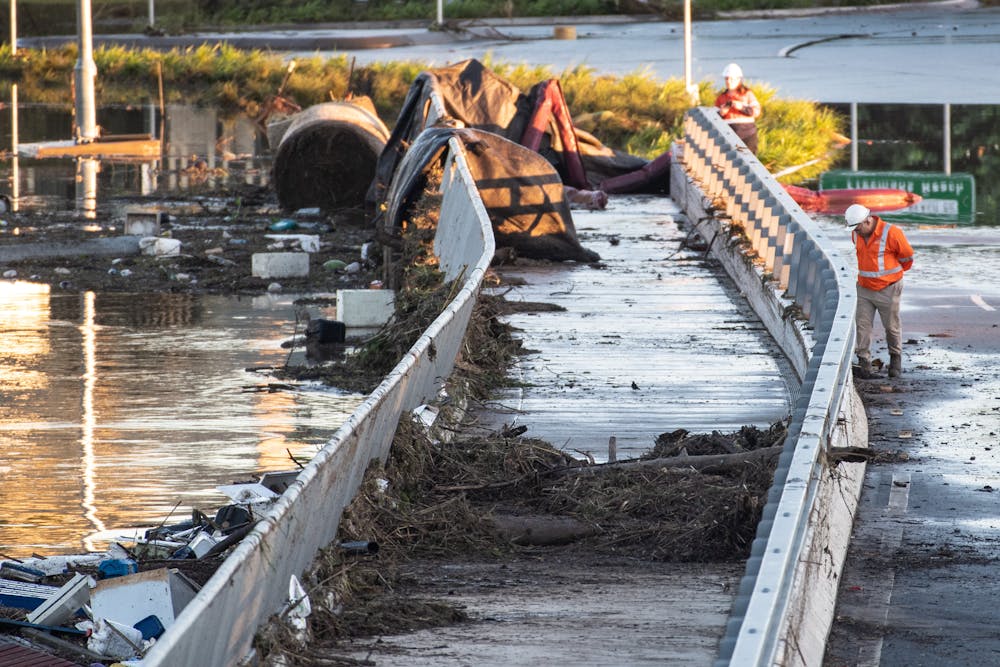 New Windsor Bridge, which was submerged by floodwater in March last year.
AAP Image/James Gourley
New Windsor Bridge, which was submerged by floodwater in March last year.
AAP Image/James Gourley
State government undermines local decisions
Despite these difficulties, councils consistently told us that the biggest barrier to delivering sustainable, resilient, climate-ready development across Western Sydney was NSW state planning directives.
In the planning system, state policies override local plans and policies. This means local councils often struggle to implement their own strategies.
The result is that pressure from the state government to build more housing developments can undermine local councils’ policies to, for instance, preserve agricultural land and open spaces – measures that protect against flooding.
Read more: 'The sad reality is many don't survive': how floods affect wildlife, and how you can help them
Indeed, this year’s floods have once again shown how problematic pro-growth agendas and “development for development’s sake” can be.
The recent report from the Intergovernmental Panel on Climate Change makes it clear flooding will increase in scale and frequency, and over-development (part of a problem termed “maladaptation”) will exacerbate the damage it inflicts.
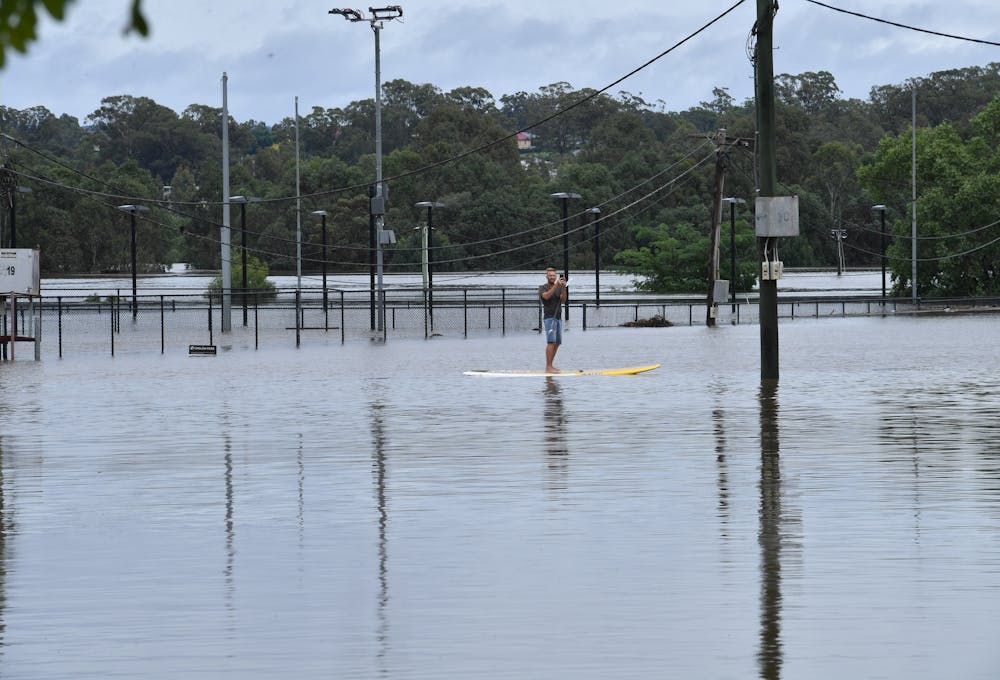 Planning directives from the state government undermine council decisions.
AAP Image/Dean Lewins
Planning directives from the state government undermine council decisions.
AAP Image/Dean Lewins
So what needs to change? Our research presents a clear roadmap for local and state government agencies to better prepare.
This includes greater leadership and consistency from the state government, more collaboration between councils and in different levels of government, more capacity-building and more targeted funding.
What’s planned and built today must guarantee the safety, health and well-being of existing and new communities. Giving councils proper resources will help more of us survive in an uncertain future.
Authors: Nicky Morrison, Professor of Planning, Western Sydney University

















