

Many places are starting to wind back COVID restrictions, but this doesn't mean the pandemic is over yet
- Written by: Holly Seale, Associate professor, UNSW Sydney
This month, mask mandates were lifted in South Australia, and vaccine requirements for dining and nightlife were removed in Queensland.
Public health experts at the World Health Organization have begun discussing what conditions would eventually signal the public health emergency declared on January 30, 2020 can be ended. However, they stress we are not there yet.
What’s happening in other countries?
By spring 2022, the UK government will see all social and public health measures removed in England, including the need to isolate and the availability of free testing. The rationale is based on the costs of maintaining these policies, including testing, often at the expense of other essential services such as mental health support.
Read more: Time to remove vaccine mandates? Not so fast – it could have unintended consequences
Some countries across Europe have rolled back the use of vaccine passports, whereas others have moved forward with mandates. Greece approved mandatory vaccination for over-60s in late December, with a monthly €100 fine added to tax bills for those who refuse (exempting those with a recent COVID infection).
In New Zealand, mandatory vaccinations will end next month for teachers, police officers and members of New Zealand’s military.
New Zealand Prime Minister Jacinda Ardern said expert advice and an expectation that the current wave of omicron cases will soon pass — and not the protests — had prompted the change in policy. They will, however, continue to use them for health, aged care, and corrections staff, and border and MIQ (managed isolation and quarantine) workers.
Read more: As New Zealand relaxes restrictions, here’s what we can still do to limit COVID infections
In settings such as South Korea – which has already pivoted to “living with COVID” and has relaxed several COVID mitigation strategies – cases have risen, but hospital admissions and deaths have remained manageable due to high vaccine coverage.
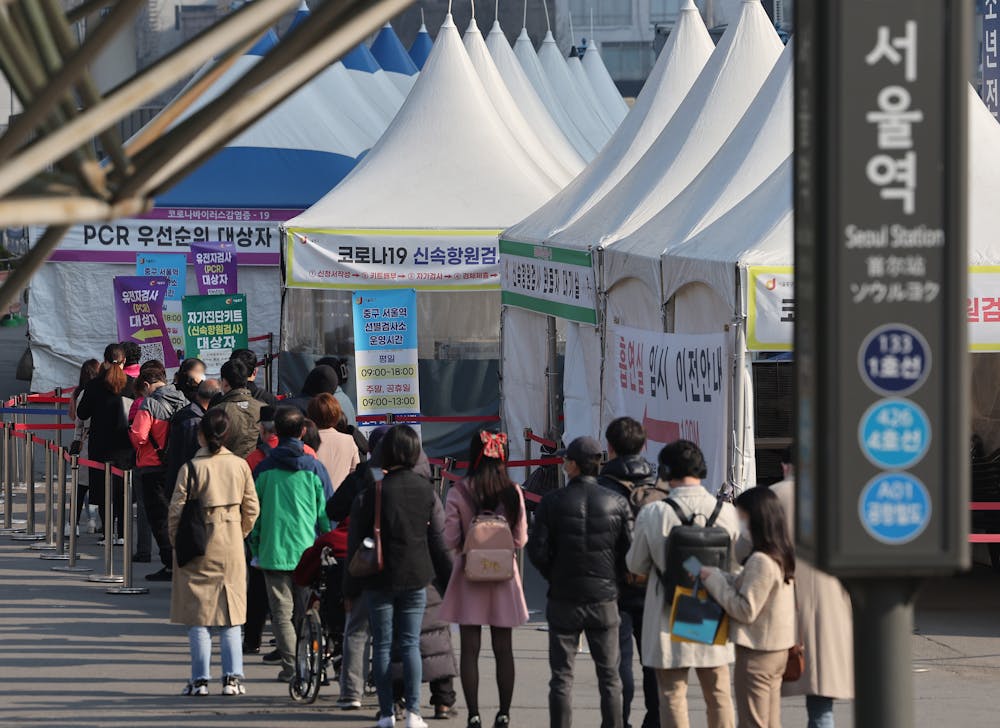
In comparison, data from Hong Kong has suggested higher mortality rates during the fifth wave have been driven by low vaccination coverage among older adults. Leading into the outbreak, overall two-dose vaccination coverage was 64%, however rates varied between age groups.
While other countries may follow suit with the relaxation of public health measures, as of early February 2022 the use of face coverings in all public spaces was required in 152 of 196 countries, contact tracing in 136 and mass testing in 114.
The pandemic is not over
While Omicron has ended up being less severe than previous variants, there is still the potential for a new variant that is more transmissible and which has the ability to evade the immune system, resulting in a prolonged pandemic.
As outlined by David Heymann, a former WHO and US Centers for Disease Control and Prevention epidemiologist, a key metric for countries considering declaring an end to the emergency is population immunity. This is the proportion of people who have some antibodies to the virus either from immunisation, infection, or both.
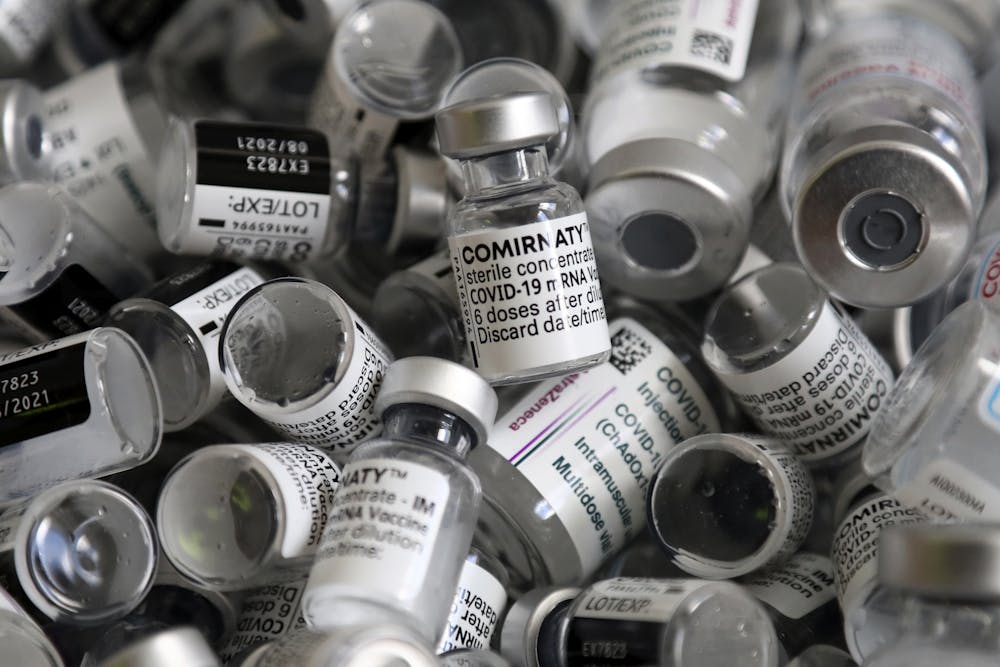 Level of population immunity is an important metric for deciding when countries can declare an end to the emergency.
AAP/Matthias Schrader
Level of population immunity is an important metric for deciding when countries can declare an end to the emergency.
AAP/Matthias Schrader
We have not reached the point yet of declaring the pandemic over. Potentially, if we continue to have high levels of vaccination coverage, we may see more endemic (when a disease exists at a predictable level not requiring society-defining interventions), less severe disease outcomes in the community. However, we need to ensure there is no longer a large influx of hospital patients.
A disease becoming endemic does not mean it no longer poses a risk, nor does it mean all public health strategies will be removed.
Some settings may still require vaccine requirements, and we would need to ensure vulnerable populations, including those who are at heightened susceptibility due to their occupation, and those who are at risk of severe outcomes (such as the immunocompromised) are protected.
Read more: Is it time to rethink vaccine mandates for dining, fitness and events? We asked 5 experts
Is the ending of restrictions a health risk to me?
In March the WHO saw an 8% increase in the detection of COVID-19 cases, with more than 11 million positive test results. Based on the experiences overseas, there is a chance Australia will see an increase in COVID cases (especially going into winter).
At a local level, it is now understood most people become infected with the virus that causes COVID-19 by inhaling it from shared air. The risk is predominantly indoors and so the lifting of vaccine and mask mandates will result in a shift in the level of risk to individuals (especially the unvaccinated) who are sharing the same airspace.
It is important we continue to highlight the rationale for voluntary mask use and for catching up outdoors to the community, as well as stress the effectiveness of booster shots at preventing severe infection.
Based on data from 2020, the US CDC recently released findings linking mask requirements with a more than 1 percentage point decrease in the daily growth rate of COVID-19 cases and deaths 20 days after the implementation of the mask mandate. The authors of the study cautioned against the premature lifting of prevention measures.
There remains complexity and uncertainty ahead, and governments will need to continue to review their decisions as we enter a period where we may need to rapidly adjust public health measures in the event of a new, more virulent variant emerging. Omicron is not the last variant we will be dealing with.
Authors: Holly Seale, Associate professor, UNSW Sydney


















