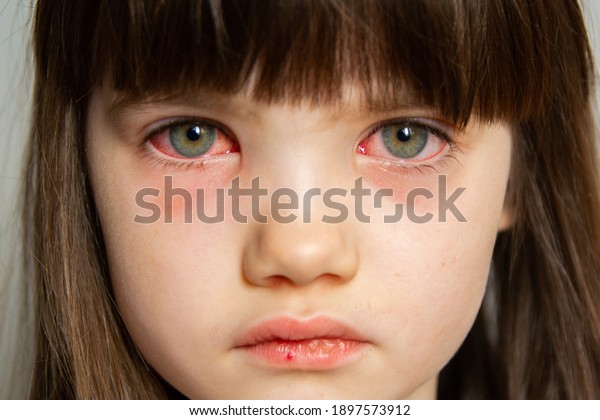
More than 100 Australian kids have had multisystem inflammatory syndrome after COVID. What should parents watch for?
- Written by: Nicholas Wood, Associate Professor, Discipline of Childhood and Adolescent Health, University of Sydney

One of the rare complications of COVID in children is an inflammatory illness called paediatric inflammatory multisystem syndrome (PIMS-TS) that occurs in the weeks following the time of infection with SARS-CoV-2 (the virus that causes the disease). It’s also been called multisystem inflammatory syndrome in children (MIS-C).
Two years on from the first reported cases of this complication, about 120 children have been diagnosed with it in Australia. Paediatric inflammatory multisystem syndrome is being actively monitored by a paediatric hospital surveillance system in Australia, called PAEDS, that includes eight children’s hospitals.
PAEDS has estimated the syndrome affects roughly one in every 2,500 children who are infected with COVID. However, the rate may be lower following infection with the Delta or Omicron variant compared to the original strain.
What it looks like in kids
For most children, COVID infection is mild – even more so for the Omicron variant. It is very unlikely a child will need to be hospitalised due to infection.
However, a small number of children experience an inflammatory illness that usually begins within the first six weeks after COVID infection. We are not sure why, but the body “turns on” an inflammatory response and this inflammation occurs in several different parts (systems) of the body at once: the skin and eyes, gastro-intestinal tract, heart, lungs, kidneys, brain. These children nearly always require hospitalisation.
The inflammation can cause a variety of symptoms and often several signs are seen at the same time. These include:
- fever – usually for more than three days
- vomiting
- diarrhoea
- abdominal pain
- headaches
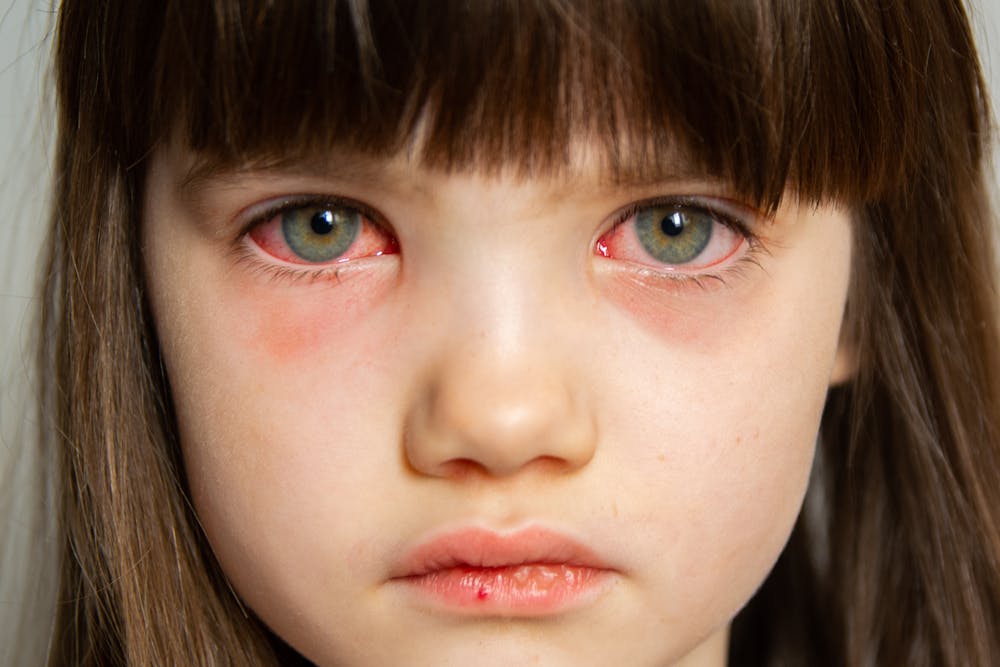
- conjunctivitis – red, watery eyes
- rashes
- lymphadenopathy – swollen lymph glands in the neck or other sites around the body
- sore throat
- cough.
The symptoms resemble another inflammatory condition in children called Kawasaki disease, to which multisystem inflammatory syndrome was compared early on. Unlike Kawasaki disease, which most often occurs in infants, this condition happens most often in school-aged children, involves gatrointestinal symptoms and shows slightly different changes on blood tests.
These symptoms might be seen in other illnesses too – so it’s important parents and doctors recognise when to seek specialist care.
Read more: Multisystem inflammatory syndrome after COVID in children is rare but makes the body fight itself
What should parents look out for?
If your child has a fever lasting more than three days in the two to six weeks after a COVID infection, especially if they also have a red eyes, rash and abdominal pain, it is possible the symptoms may be due to multisystem inflammatory syndrome.
In this situation, it is important to seek medical care for your child to understand what may be causing the symptoms. These symptoms can also be caused by other viruses or bacterial infections.
Blood tests will usually need to be done to look for markers of inflammation such as C-reactive protein. Blood tests also pick up changes in the blood cell counts (including low platelets and white cell counts) and mild increases in liver enzyme levels that all indicate inflammation. Doctors will also be watchful because inflamed blood can be more prone to form clots, seen in some cases.
Most children under investigation will also have a heart ultrasound to assess how well the heart is functioning and to look for a complication where there are changes (dilation) in the arteries of the heart. Changes in heart arteries occur in 8-24% of multisystem inflammatory syndrome cases.
As yet, we don’t know what predisposes some children to develop the condition following COVID infection. So we can’t predict which children might be at heightened risk.
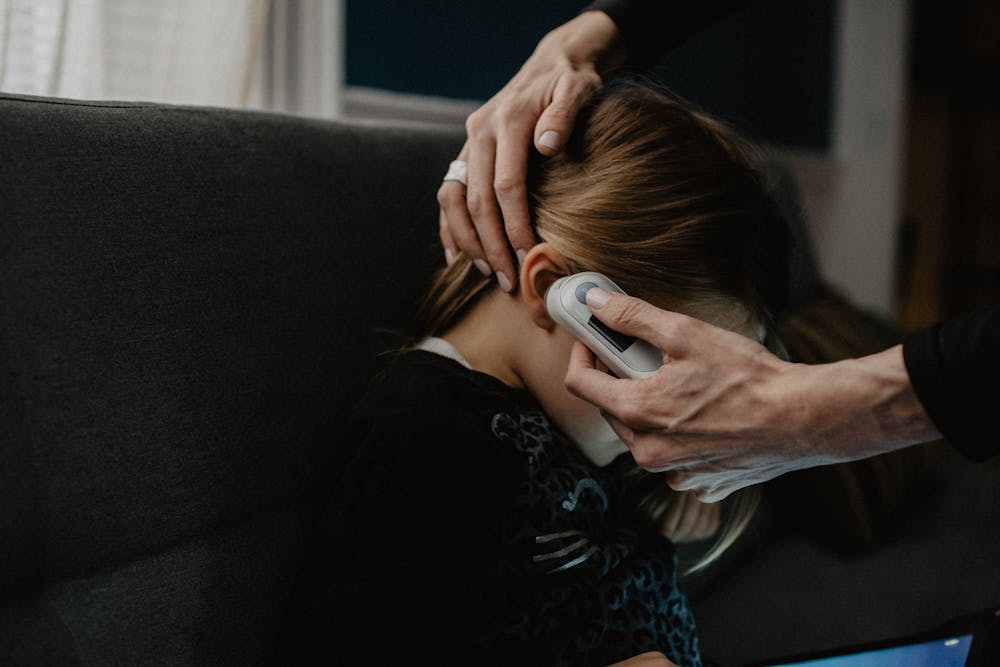 Parents should watch for prolonged fever in kids who’ve recently had COVID.
Unsplash, CC BY
Parents should watch for prolonged fever in kids who’ve recently had COVID.
Unsplash, CC BY
Read more: We've pinpointed blood proteins activated in the most severe cases of COVID in children
Should parents be worried?
Multisystem inflammatory sydrome can make children very unwell, and children with it will need to be cared for in hospital. The good news is we have anti-inflammatory treatments that are very effective in treating children with these symptoms. Doctors across Australia have been sharing their experiences and expertise in caring for children with the condition.
Children are treated with medications often used to treat Kawasaki disease, including steroids and intravenous immunoglobulin. These medications reduce the body’s excessive immune response, lowering fever and inflammation and allowing heart function to return to normal.
It’s also reassuring that almost all children will recover without complications – even if they are very unwell initially.
If your child has been diagnosed with multisystem inflammatory syndrome, you should wait until they have fully recovered, then discuss with your doctor whether to proceed with COVID vaccination if they have not already been vaccinated. Researchers are still investigating the risk of vaccination triggering another inflammatory event.
Vaccination remains the best protection
Preliminary data from the US Centers for Disease Control indicates two doses of the Pfizer COVID vaccine can protect children against developing multisystem inflammatory syndrome after COVID infection (roughly 80% protective in children aged 5-11 years and about 90% protective in adolescents 12-18 years old).
Paediatric inflammatory multisystem syndrome is a rare but potentially serious event following COVID infection. Doing our best to prevent infection through the use of vaccines and other public health measures remains vitally important to protect everyone in our society.
Read more: COVID vaccination recommendations evolve over time. Who is due for which dose now?
Authors: Nicholas Wood, Associate Professor, Discipline of Childhood and Adolescent Health, University of Sydney