

the history of New York's Fire Island as a gay sanctuary
- Written by: Jacob Sunter, PhD Student, University of Adelaide
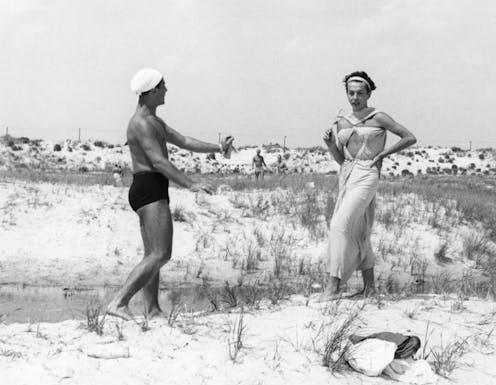
Recently screened at the Sydney Film Festival, Fire Island is a rom-com inspired by Jane Austen’s Pride and Prejudice, the film breaking traditional conventions to feature gay romance as the plot.
The fact that it is streaming on Disney+ speaks clearly about how ordinary non-heterosexualities have become. While it might be surprising that it has taken this long for same-sex romance to reach the mainstream, Australian audiences might be forgiven for wondering about the significance of the title of the film.
The island in question is a barrier island off the coast of Long Island, New York City, featuring a unique and threatened environment that has long been a gay sanctuary, providing a space of freedom and expression at a time when same-sex activity was still illegal and gay communities highly policed.
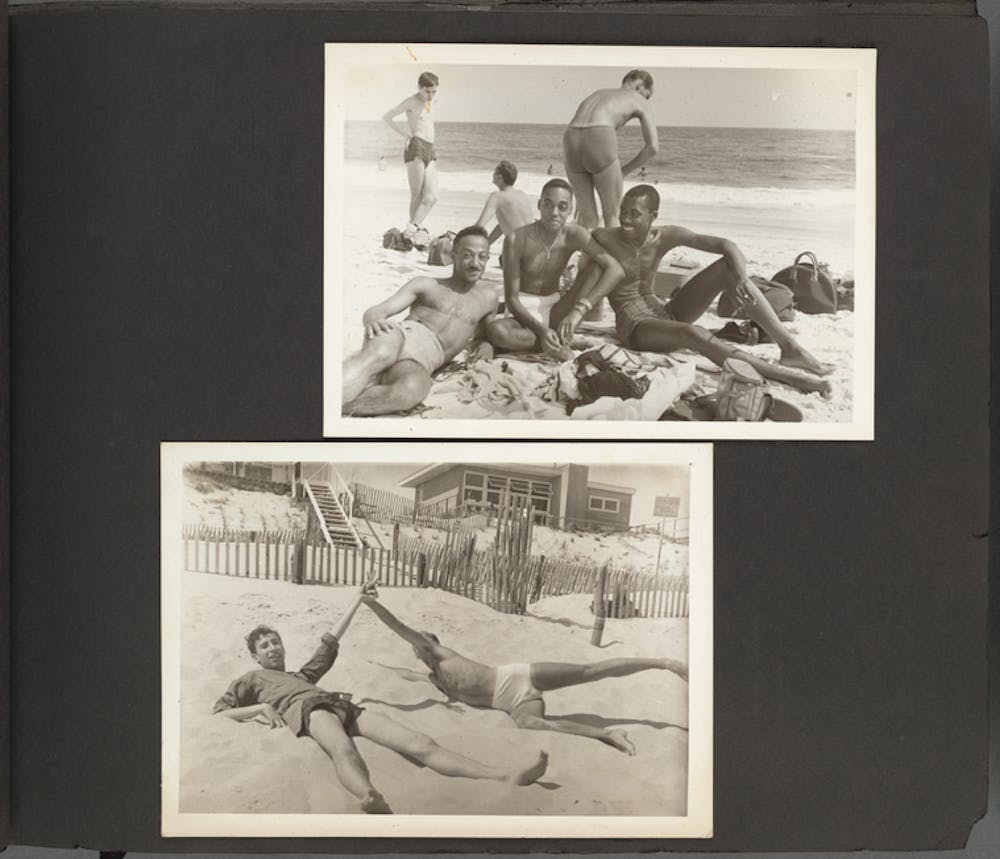
Prohibition, hurricanes and writing
Fire Island always attracted history’s brightest queer figures. Overlooking the Great South Bay in 1857, Walt Whitman contemplated the “wrecks and wreckers” of Fire Island. Taking respite from his 1882 American lecture series, Oscar Wilde enjoyed several days at Cherry Grove’s Perkinson’s Hotel.
In the Prohibition years of the 1920s, Fire Island’s remote location attracted a new crowd of thirsty mainlanders. To New York’s gay theatre personalities, the Grove’s relaxed policing suggested freedom and safety, though they remained outnumbered by the island’s wealthy heterosexuals.
In the Great Hurricane of 1938, two thirds of the island’s cottages were destroyed. Amassing large debts in the effort to rebuild, straight locals rented their properties to a younger metropolitan crowd, a crowd who heard whispers of the island’s untamed beauty throughout New York’s downtown gay scene. By the 1940s, the island’s small contingent of gay theatre personalities grew to a vibrant queer majority, and Cherry Grove earned its name as America’s first gay and lesbian town.
In the 1940s and 1950s, Fire Island emerged as a creative and literary space. Far removed from the noise and distractions of the city, the island’s serene and quiet landscape offered a place to read, reflect, and compose. Its catalogue of queer writers included WH Auden, Patricia Highsmith, Tennessee Williams, Frank O’Hara, and Truman Capote.
 One of Frank O'Hara’s most beloved poems is titled A True Account of Talking to the Sun at Fire Island.
Wikimedia
One of Frank O'Hara’s most beloved poems is titled A True Account of Talking to the Sun at Fire Island.
Wikimedia
In 1955, Capote drafted Breakfast at Tiffany’s while staying at Carrington House. This drive to create was occasionally at-odds with the island’s emerging party scene. In a poem as early as 1948, Auden ridiculed the “bosoms and backsides” that paraded across the beach, the “great” masses who “will be drunk till Fall.”
Disco to meat rack
Cherry Grove’s queer reputation only grew in the 60s and 70s. Gay vacationers began to reside in the Pines, Cherry Grove’s conservative neighbour. Contrary to Auden’s fears, the island offered a site of both sexual and artistic exploration.
As gay men cruised the Meat Rack, the wild terrain at the edge of Cherry Grove, Andy Warhol and David Hockney sought creative inspiration in the island’s erotic and visual cultures. Warhol examined this atmosphere of open sexuality in his 1965 film My Hustler, and Hockney experimented with photography while staying on the island.
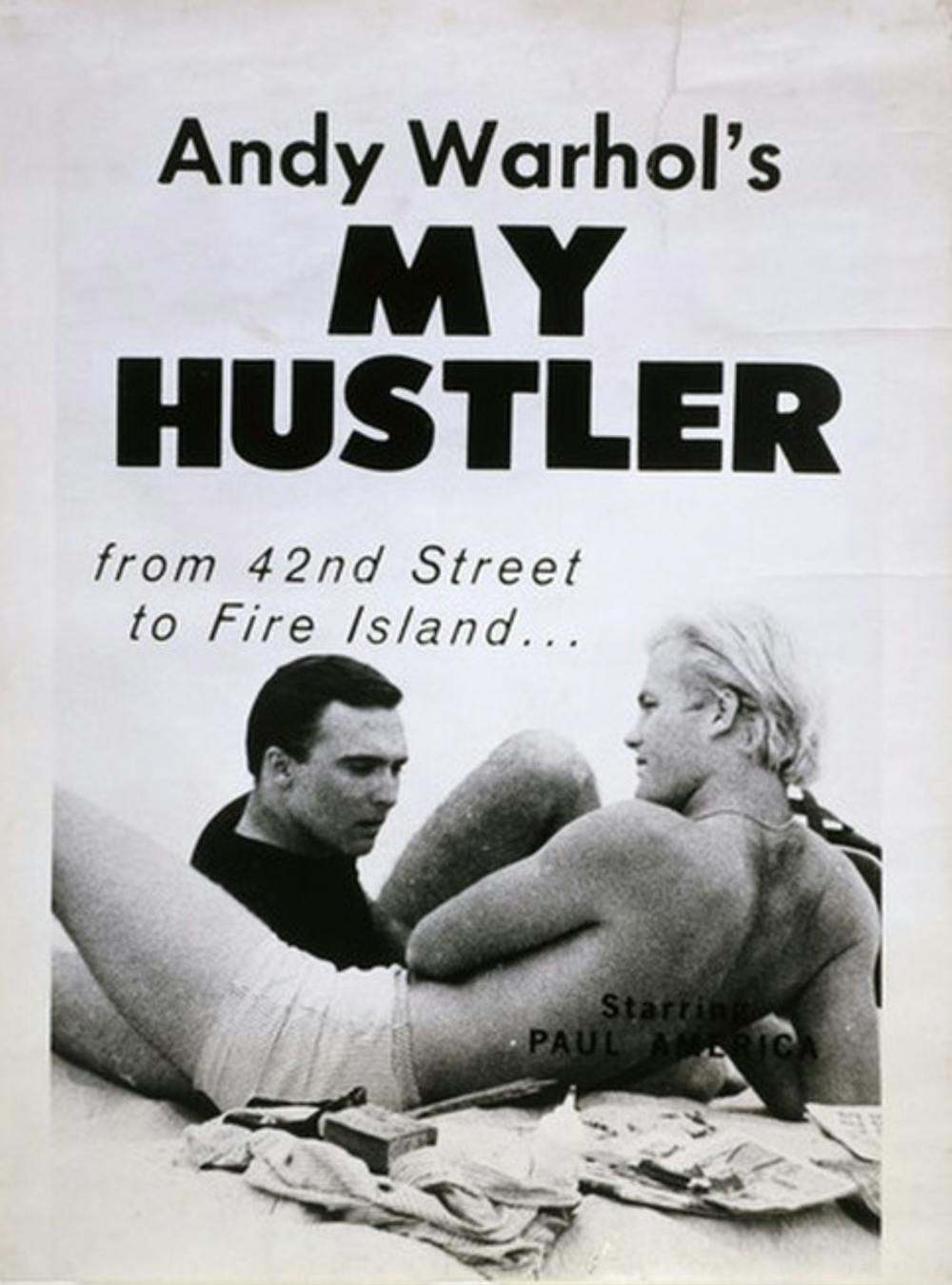 Filmed on Fire Island, this two reel, 70 minute Warhol film covers the activities of the Dial A Hustler service, as an older man seeks a young hustler for a companion.
IMDB
Filmed on Fire Island, this two reel, 70 minute Warhol film covers the activities of the Dial A Hustler service, as an older man seeks a young hustler for a companion.
IMDB
The island’s impact extended further throughout the golden years of disco. Pines DJ Tom Moulton revolutionised the clubbing scene with the invention of the extended mix, first played at the Sandpiper discotheque.
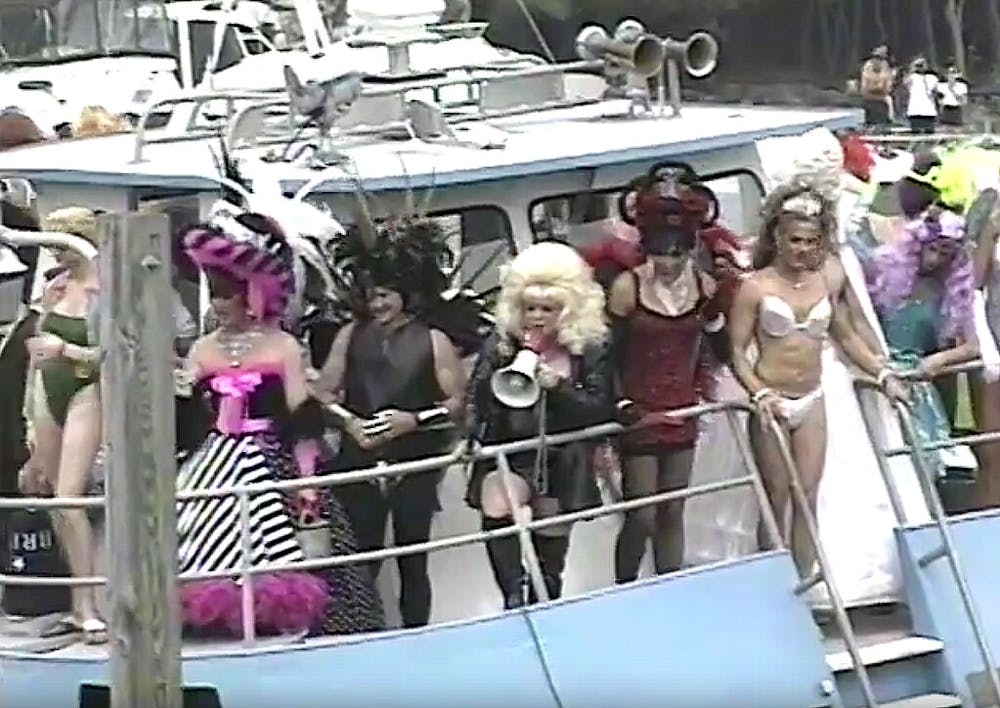 The drag queen invasion on Fire Island, July 4 1998.
Images Alight/ Flickr
The drag queen invasion on Fire Island, July 4 1998.
Images Alight/ Flickr
Tensions stirred, however, between Cherry Grove’s established population and the affluent community of the Pines. In 1976, Cherry Grove drag queen Teri Warren was denied service at a Pines restaurant. Grove residents dressed in drag, boarded a water taxi, and stormed the Pines in protest. Dubbed the first “invasion” the event is repeated every 4th of July, though to a much warmer reception from the Pines locals.
The AIDS epidemic saw the devastating loss of many island residents. What once represented sexual freedom became largely a site of care, a place to politically mobilise and grieve.
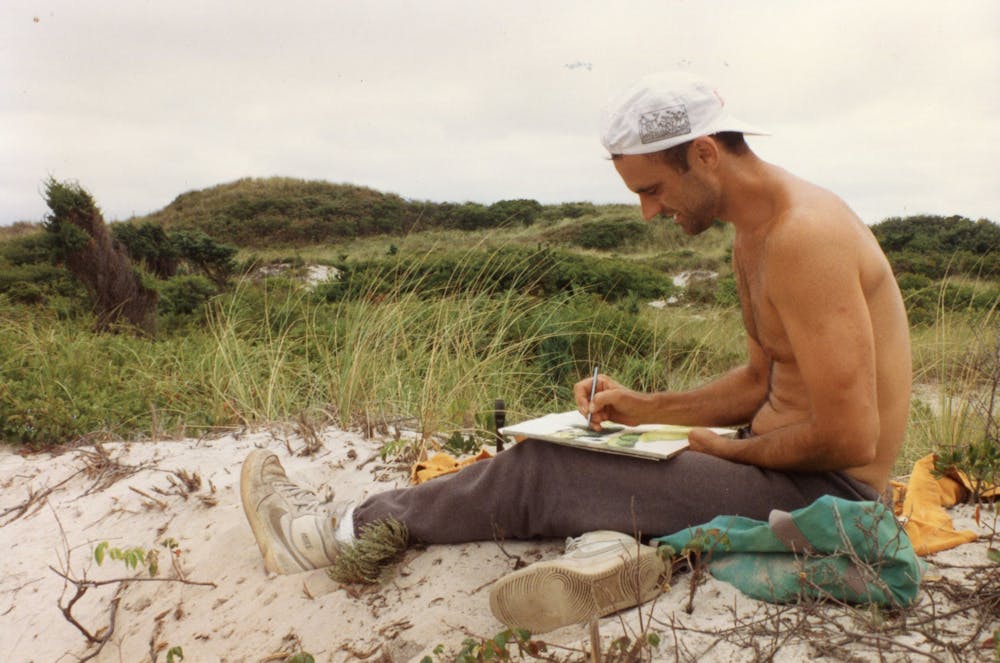 Watercolor artist on sand dunes at Fire Island National Seashore Park between Cherry Grove and the Pines at Fire Island on 5 September 1992.
Elvert Barnes Photography/ Flickr
Watercolor artist on sand dunes at Fire Island National Seashore Park between Cherry Grove and the Pines at Fire Island on 5 September 1992.
Elvert Barnes Photography/ Flickr
Fire Island today
Once a place of primitive living conditions, without running water or electricity – a real retreat – the island now features cutting-edge architecture, pumping clubs and a vibrant party scene, from “tea dances” at the Blue Whale to the infamous underwear parties at the Ice Palace. It is within this culture that the film Fire Island places its action.
With the development of PrEP and greater awareness about sexual safety, the island’s culture of sexual experimentation has largely returned, though concerns remain that digital cruising apps such as Grindr and Scruff put these historical queer sites at risk.
While other gay and lesbian enclaves exist around the world, mostly they are suburbs, often on the way to gentrification. As non-heterosexualities become more acceptable, at least in some parts of the world, the need for queer people to cluster for safety and comfort is less pressing.
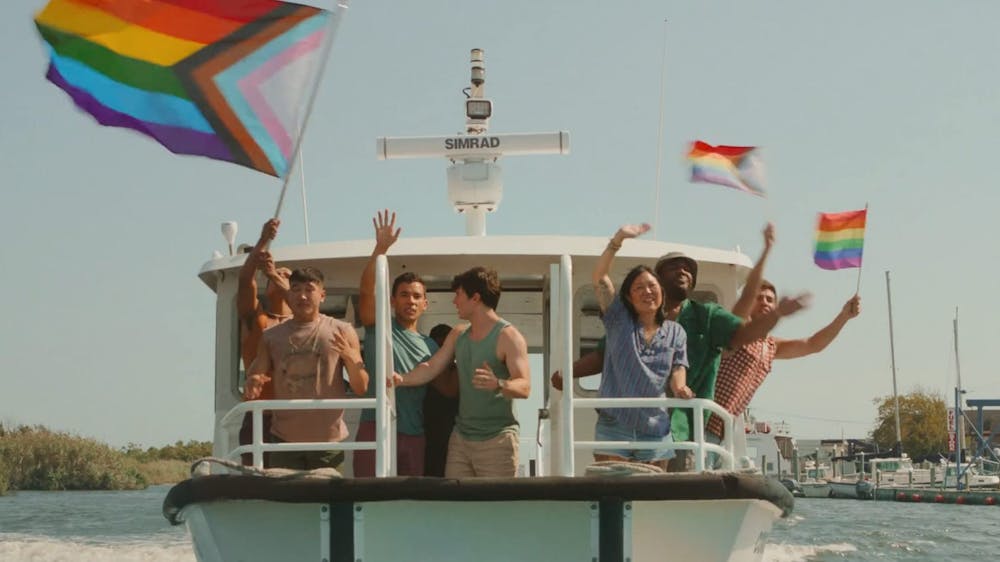 A scene from Fire Island (2022), a modern-day queer re-telling of Pride and Prejudice.
IMDB
A scene from Fire Island (2022), a modern-day queer re-telling of Pride and Prejudice.
IMDB
Yet Fire Island continues to be a gay mecca, its remarkable history and contribution to art and literature legendary despite the fact that its predominantly white, male, cisgender, and upper-class aficionados make this legacy rather exclusive. Centring on the experiences of queer Asian Americans, the film Fire Island underscores the island’s ambivalence as a safe haven for marginalised queer identities.
While its current reality might lack the romance of its former bohemian cache, it nonetheless remains a place where queers – some at least – can feel “normal”, part of the majority at last. This might be its enduring appeal.
Authors: Jacob Sunter, PhD Student, University of Adelaide


















