

A touch of hope after the doom? Your guide to the Miles Franklin 2022 shortlist
- Written by: Jen Webb, Dean, Graduate Research, University of Canberra
This year’s Miles Franklin shortlist is lyrical in voice, complex in form, and perhaps a little more hopeful than usual. The threads of shared concern across the volumes leave me wondering whether there is something in the zeitgeist.
Maybe it’s writers, publishers and judges reacting to the doom of the past two years, and the dread of what the future might bring. These novels seem infused with a sense of play, of measured optimism, of the capacity to tease out – and tease – the old verities and the wildly random “truths” that circulate across our culture.
Lines that connect them include the recounting of childhood experiences in the traditions of the Bildungsroman (coming of age novel) and Künstlerroman (artist coming of age story). These books also include reminders that being a migrant, particularly a visible migrant – or even the child or grandchild of visible migrants – means there is never a close and comfortable fit with Australian society.
They include stories of male violence: whether the organised violence of the boxing ring, the casual violence of young men, or predatory masculinity. And they are filled with accounts of the act of writing itself, in a collection of writings that together provide a remarkable reading experience.
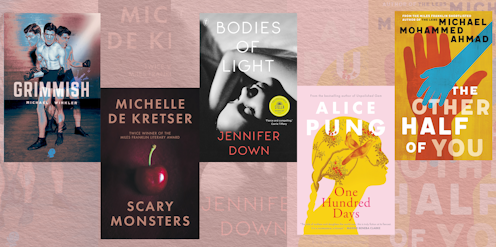
Grimmish by Michael Winkler
Michael Winkler’s Grimmish careers through decades and across the globe, with narrative control shifting between uncle, nephew and a talking goat. It is, absolutely, a male story, though the narrator offers tongue-in-cheek gestures toward an idea of equity.
The eponymous Joe Grim, “the human punching bag who never won a fight”, cannot be crushed by pain, and functions very much as an analogy – for “Something in men […] desperate to scramble up that hill of pain to see how high they can get” and for the ludicrous and pointless nature of brutality-as-sport.
Grim can never win a match, but his indefatigable capacity to endure leaves the winner confused and shamed, and the sport itself exposed:
Williams steps back instead of forward, marshals his wind for a while, then drives back into Grim’s ugly flesh, twists another big right into his face, and Grim goes down again. The crowd is ecstatic; this is the finest of sport. Apparently.
This novel surprised and enchanted me on (almost) every page – the playful use of footnotes, the satire and philosophy and social critique, the stories about stories. It’s a mind-whirl of sensation and impression; a densely packed, vivid narrative that reads more like dream.
The Other Half of You by Michael Mohammed Ahmad
Again on male violence, The Other Half of You, Michael Mohammed Ahmad’s second Miles Franklin listing, and the third installation in the story of Bani (whom we last met as a high school student in The Lebs) takes us back to western Sydney and all the rough affection and abuse of his family.
Bani has grown up since 2018; completed his arts degree at Western Sydney Uni, fallen in love, married, divorced and become a father, and finally found his feet.
The problem he explores in this novel is his father’s law: do whatever you want, but do not marry an outsider. (And what constitutes an outsider is a very broad church.) His passion and his broken/breaking heart are played out against the backdrop of his parents and siblings and cousins and aunts, and against his own continuing uncertainty about how to be himself, and a good Muslim, and a good son, and an autonomous artist.
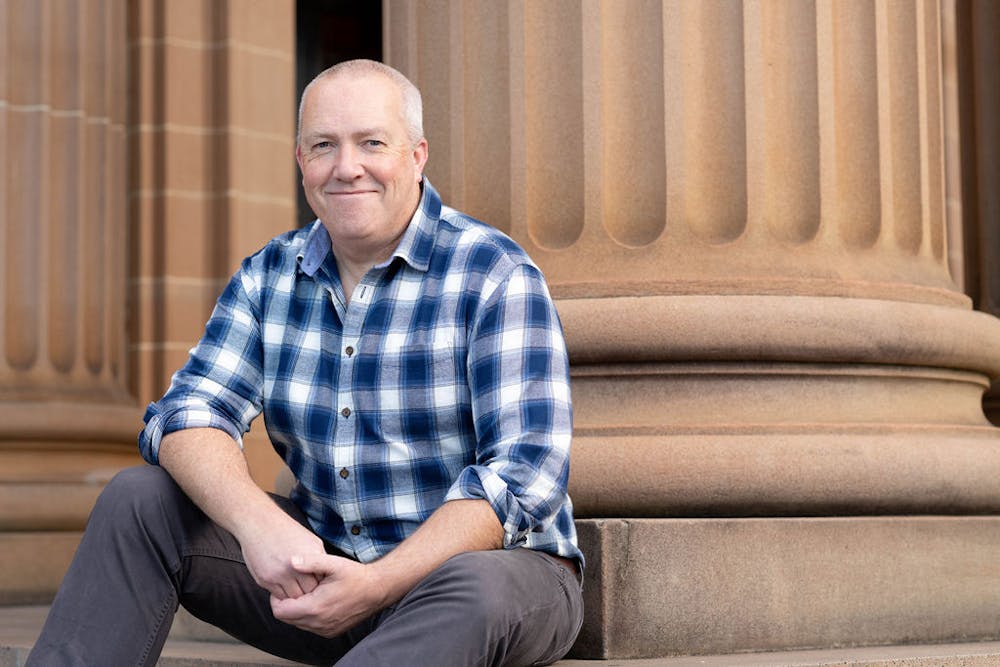
 Michael Mohammed Ahmad.
Monique Ferguson
Michael Mohammed Ahmad.
Monique Ferguson
It’s a worrying and then deeply heartening account, not merely because of Bani’s ability to wrestle with the tension between critical thinking and the deep bonds of tradition, but because the traditions themselves prove more generous and more flexible than he had imagined.
A funny, roughnecked, tender novel, it reminds us that “there was something shamelessly unwelcoming about Australians”; but also insists tenderness and love co-exist everywhere: “she spoke in the language of my ancestors, and … I dreamed in the language of hers”.
One Hundred Days by Alice Pung
Alice Pung’s One Hundred Days is another first-person narration; another coming-of-age story; and another that – like Ahmad’s – is addressed to the narrator’s not-yet-born child.
Karuna, like Bani, is confined by her parent’s perspective of tradition and its rules, and like Bani, though she struggles against the bonds, she does try to be a good daughter. With good reason, since her mother assures her that the alternative is ruin:
“Tread carefully,” she would tell me. “A girl who makes one wrong move is wrecked for life.”
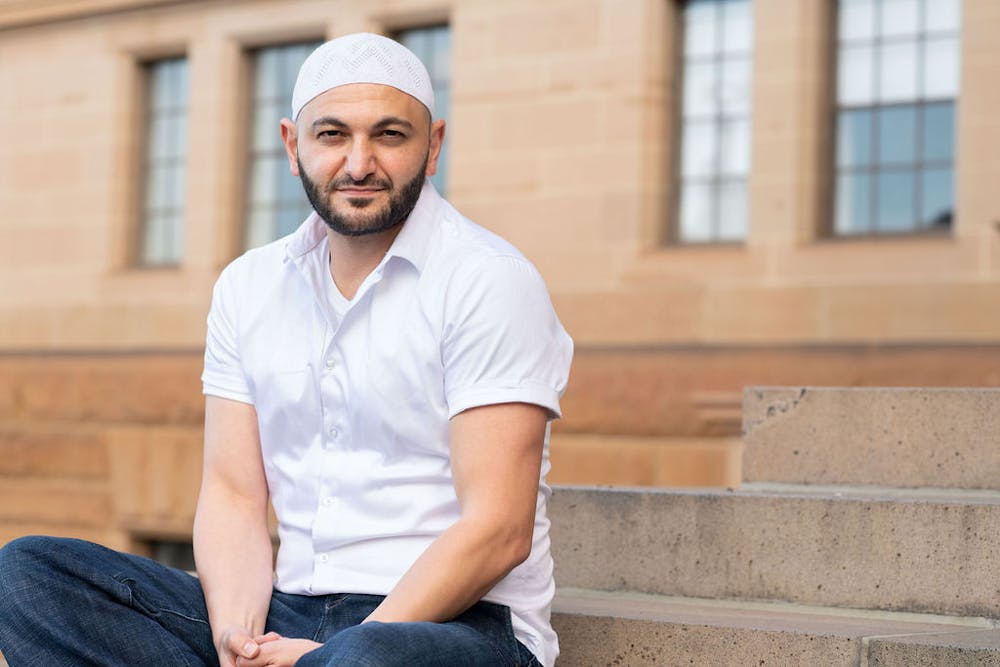
 Alice Pung.
Courtney Brown
Alice Pung.
Courtney Brown
Her mother, Grand Mar, is hyper-controlling, often brutal, rarely tender. Her father, a white Aussie mechanic, presents initially as patient and affectionate, but once the marriage is over he deserts daughter and ex-wife to penury and precarity.
They, Karuna and Grand Mar, end up in a poverty version of a fairytale tower: a flat in council housing. Here, once Karuna finds herself pregnant at 16 to a young man who is no longer on the scene, Grand Mar plays the villain and locks her up, where she languishes, a princess for whom no prince is seeking.
There is a strong sense of co-dependency even in Karuna’s rage and resistance:
I know for certain that your Grand Mar might lock me up, but she would never, ever kick me out. It is never a problem that your Grand Mar doesn’t care enough for us. The problem with your Grand Mar is that she cares too much.
Perhaps. But it’s complicated. This is a lyrical account of a messy, abusive family, but also a family where, with a switch of perspective, the “mean and paranoid” mother might re-emerge as “loving and reasonable”.
Bodies of Light by Jennifer Down
Bodies of Light, Jennifer Down’s Bildungsroman, is another first-person narration, this time in the voice of an orphan, Maggie Sullivan, who has fallen into the dubious care of Family Services and the string of foster families and care homes that follow.
It’s a story of profound loneliness, punctuated by some kind individuals, but none who remain part of Maggie’s life and identity:
At night I lay in bed and counted the bodies I’d left behind. Viv, Holly, Tiny, Mr and Mrs Dunne, Jodie, Mr Miller, Jacinta, Alana, Ian, Dinesh. Mum, Dad. Graham. I pictured them all laid out in a paddock like human dominoes. I had no way of knowing what happened to any of them.
It is also a story of profound trauma, with Maggie experiencing sexual abuse from her earliest memories, a silent, watchful little girl turned into a sex toy by any man who felt like it. And it remains, for the most part, unrelentingly sad.
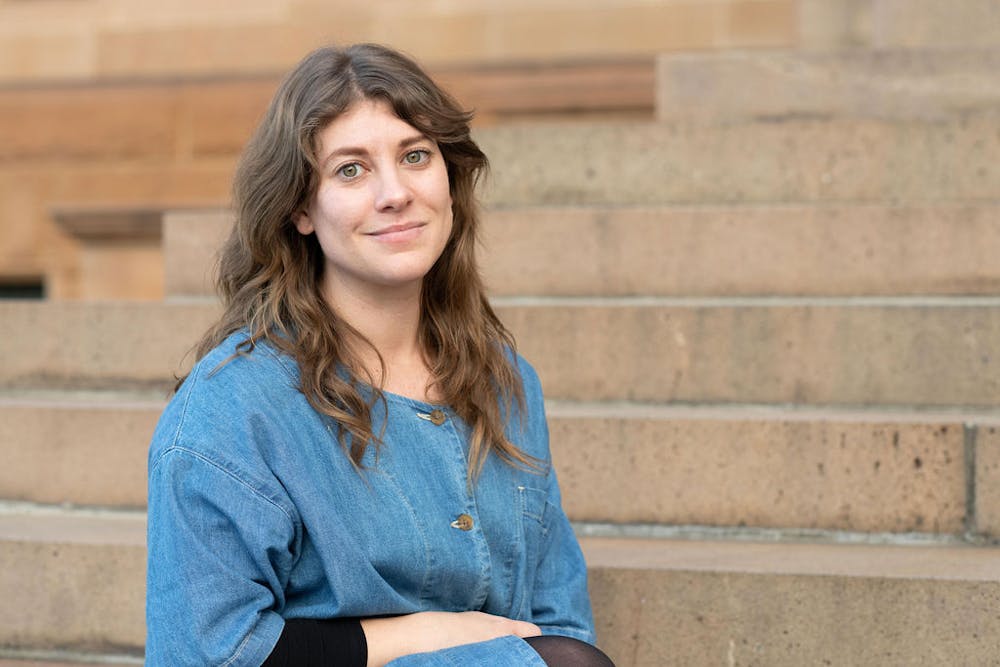 Jennifer Down.
Monique Ferguson
Jennifer Down.
Monique Ferguson
Maggie is a bootstraps sort of girl, who manages to get herself grown, and even to enter university, read literature, find a way to flee her past; but the bright moments are few and far between. She remains, even as a successful and capable adult, something of an alien, someone who never learned at the right age how to be a human, someone who doesn’t even have photographs from her childhood.
But don’t feel sorry for her; “I am just trying to live my way through it”, she says, at novel’s end; “We have nothing left to fear”.
Scary Monsters by Michelle de Kretser
Michelle de Kretser is an old hand at the Miles Franklin, having already won the prize twice, and she gives double value here in a novel that is two separate stories, treating the same sorts of issues – racism, sexism, class, migrant status, love, belonging – but from two very different perspectives and historical moments.
In the Kindle edition, readers are offered a choice of where to start; in the print version, the book has two front covers. I chose to start with Lili, and found myself in John Berger country. The novella combines a lovely homage to that remarkable writer in a lyrical, yet often excoriating, portrait of a young woman far from home in what presents as the late 1970s to early 1980s. It’s another migrant narrator, another young person trying to work out how to be, in an often unwelcoming world.
Lili teaches English in France, and at the same time is learning French and finding “something brutal about being flung into a foreign language – something thrilling, too”.
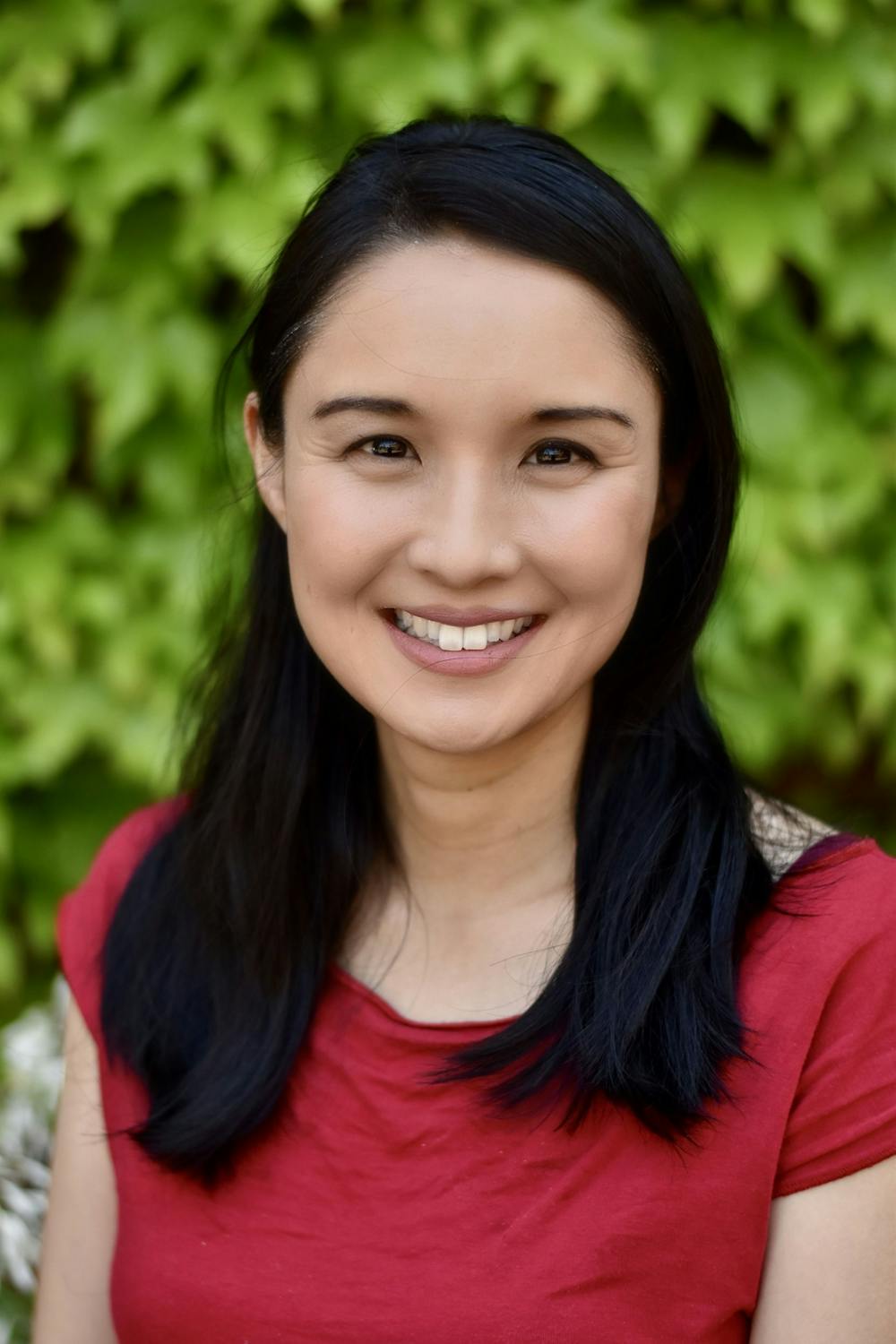
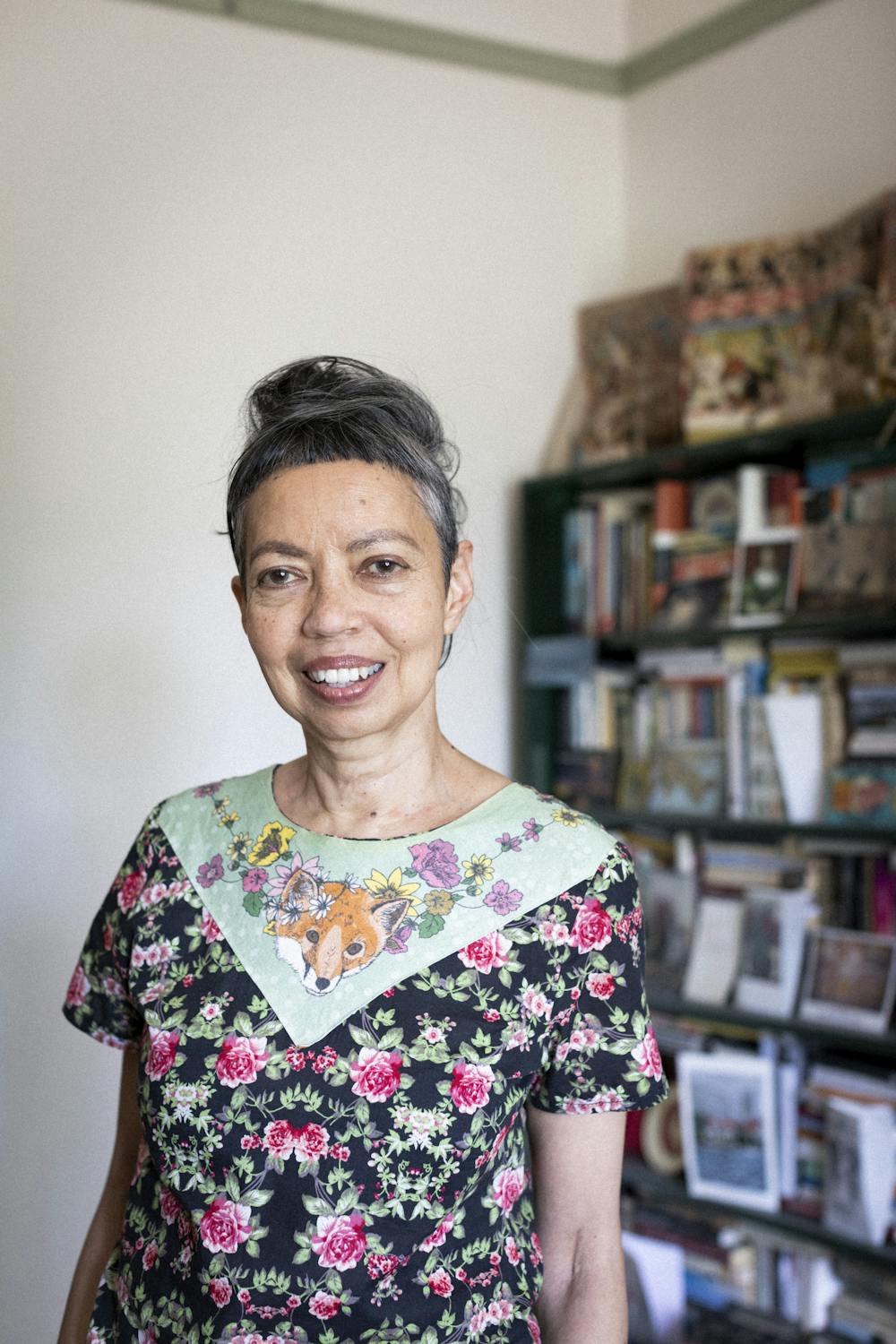 Michelle De Kretser.
Joy Lai
Michelle De Kretser.
Joy Lai
She is lonely, of course; she leans on one friend, Minna, who is drenched in privilege, and full of affection, but still abandons Lili. Nonetheless, Minna opens up possibilities to Lili, exposing her to playful creativity, and offering perhaps some small consolation in a time when the Yorkshire Ripper is massacring women and when the philosopher Louis Althusser murders his wife almost with impunity. “Ce n'est pas normal,” is, Lili realises, the best answer, and the idea of Simone de Beauvoir a woman’s best defence.
Flip the volume, and we move to the near future, back in Australia, and a nation run according to the worst impulses of the Border Force and hypercapitalism, where Muslims are banned, the environment is on life support, and people adopt the names of luxury products like Porsche or Prada if they’re wealthy, Ikea if they’re just getting by.
The poetic expression and the idealism of Lila’s story are set aside in favour of a blunt determinism, and equally blunt jokes: “Australia is an egalitarian place. The rich aren’t discriminated against and left to fend for themselves here.”
Lyle, the narrator in this section, bears the same shadow as 1984’s Winston Smith: a reasonable man performing unreasonable functions in an unreasonable and unreasoning society. Like the joke goes, it would be funny if it wasn’t so sad (and vice versa).
This is a remarkable story that illuminates something deeply touching and deeply disturbing about 21st century Australia.
Authors: Jen Webb, Dean, Graduate Research, University of Canberra


















