

Google AI


Modern Australian

A rapid shift to electric vehicles can save 24,000 lives and leave us $148bn better off over the next 2 decades

  • Written by: Hussein Dia, Professor of Future Urban Mobility, Swinburne University of Technology
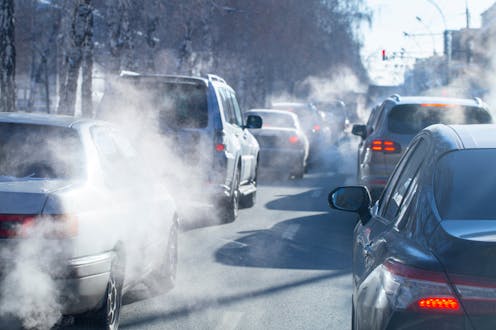
A rapid shift to electric vehicles can save 24,000 lives and leave us $148bn better off over the next 2 decades

Reducing air pollution from road transport will save thousands of lives and improve the health of millions of Australians. One of the quickest ways to do this is to accelerate the current slow transition to electric vehicles.

Our newly published research evaluated the costs and benefits of a rapid transition. In one scenario, Australia matches the pace of transition of world leaders such as Norway. Our modelling estimates this would save around 24,000 lives by 2042. The resulting greenhouse emission reductions over this time would almost equal Australia’s current total annual emissions from all sources.

We also calculated the total costs and benefits through to 2042. Australia would be about A$148 billion better off overall with a rapid transition.

Read more: Australia is failing on electric vehicles. California shows it's possible to pick up the pace

Air pollution causes thousands of deaths

Every year, around 2,600 deaths in Australia are attributed to fine-particle air pollution. The main sources of this pollution are transport and industrial activities such as mining and energy generation.

An estimated 1,715 deaths were attributed to vehicle exhaust emissions in 2015. This was 42% more than the road toll that year.

Vehicle emissions increase respiratory infections as well, particularly in young children. Transport pollution contributes to many diseases, including lung cancer, heart disease, pneumonia, asthma and diabetes. It has also been linked to Alzheimer’s disease.

A 2019 study by the Electric Vehicle Council and Asthma Australia found vehicle emissions had 21,000 serious health impacts each year in New South Wales alone.

A Grattan Institute study last month showed exhaust-pipe pollutants from trucks kill more than 400 Australians every year.

A truck in heavy traffic belches smoke
Cities around the world have imposed bans on polluting trucks to reduce the harm to public health. Shutterstock

Read more: Australia could rapidly shift to clean transport – if we had a strategy. So we put this plan together

The benefits greatly outweigh the costs

Our new Swinburne University of Technology research evaluated the benefits of a transition to electric vehicles by considering public health, household and emissions reductions savings. We compared the benefits with costs, including charging infrastructure outlay, higher purchase prices for electric vehicles and green energy package costs – for household solar panels, battery storage and charging points.

Each electric vehicle was considered to have been bought along with a green energy package. The package minimises emissions and demands on electricity grid capacity, while increasing the benefits for households.

The study explored three scenarios:

  1. slow scenario – business-as-usual, with electric vehicle sales increasing slowly from the current rate (a 5% increase in the first year, followed by a 10% yearly increase)

  2. accelerated market-based scenario – aligns with the highest rates of adoption around the world like those in Norway (where 64% of new vehicles sold in 2021 were battery-powered), increasing by 5% every year

  3. aggressive regulatory scenario – assumes all new vehicle sales would be electric in the base year as a result of government regulation.

The main differences between the scenarios are the rate of electric vehicle uptake (once consumers decide to retire their current vehicles) and the degree of government intervention.

The research found the business-as-usual scenario undermines national efforts to reduce the loss of life and cut emissions. It also found the aggressive strategy would have to overcome massive barriers given Australia trails many other countries in adopting electric vehicles. The accelerated adoption strategy, however, is well aligned with uptake in other nations. Their example shows it can be achieved using progressive policies and incentives. If implemented, the accelerated scenario could reduce the loss of life by around 24,000 by 2042. The reduction in emissions over this time would be 444 million tonnes of carbon dioxide equivalent, or 91% of Australia’s emissions from all sources in 2021. The cost would be around $118 billion, less than half of the total benefits of $266 billion. Read more: Who's holding back electric cars in Australia? We've long known the answer – and it's time to clear the road Putting us on track for emissions targets The new Climate Change Act mandates targets of a 43% cut in emissions by 2030 and net-zero emissions by 2050. Our research shows effective electric vehicle policies can help achieve these targets. Such policies can be adopted from nations that have made rapid progress on electrifying their transport sectors. These policies include strict and mandatory fuel efficiency standards, investment in electric vehicle charging stations and standardisation of charging infrastructure. They also include financial incentives to buy and run electric vehicles, and cheap loans to help households and freight operators with purchase costs. Importantly, these nations recognise that electric vehicles are not a remedy for all transport challenges. They should be complemented by strategies to manage travel demand, reduce the numbers of cars and journeys by car, and improve access to public transport. Read more: Four ways our cities can cut transport emissions in a hurry: avoid, shift, share and improve We shouldn’t accept so many avoidable deaths Without a rapid shift to electric vehicles, Australia risks losing at least 1,200 lives a year – deaths that we could avoid – over the next 20 years. The loss of life would be equivalent to six planes, each carrying 200 passengers, falling out of the sky every year and killing everyone on board. We don’t accept this in air travel, and we should not accept the loss of life to preventable air pollution. Australia has a feasible rapid pathway to decarbonise its transport sector. Our findings show the benefits to society and the planet are hard to dismiss.

Authors: Hussein Dia, Professor of Future Urban Mobility, Swinburne University of Technology

Read more https://theconversation.com/a-rapid-shift-to-electric-vehicles-can-save-24-000-lives-and-leave-us-148bn-better-off-over-the-next-2-decades-190243

Pool and Deck Design: How to Plan the Perfect Outdoor Living Space for Your Sydney Home

For many Australians, the backyard is where life happens. Summer barbecues, weekend swims and long evenings outdoors are all part of the lifestyle, ...

Is Solar Pool Heating Worth It? What Sydney Homeowners Should Know

There's nothing quite like a backyard pool on a hot Sydney day. But once autumn rolls in, many pools sit unused for months because the water is simp...

Planning a Luxury House Move: A Week-by-Week Timeline for Prestige Sydney Homes

Selling or buying a prestige home is a major milestone. Whether it's a waterfront residence in Birchgrove, a grand Federation home in Haberfield or ...

Downsizing or Upgrading Your Caravan? Here's How to Sell It Without the Hassle

Selling a caravan can feel like a major task, especially when you are unsure about its value, paperwork, or how to find a buyer. Whether you are dow...

The Best Overseas Adventure Holidays for Australians Who Love the Outdoors

Australia offers no shortage of incredible outdoor experiences, but sometimes the best way to satisfy your sense of adventure is to head overseas. A...

Cape Town Wine Shuttle: Winelands Tasting & Tours

Embark on an unforgettable journey through the picturesque Cape Winelands, where world-class wines and breathtaking scenery await. Our Cape Town Win...

Why Giant Rats Tail Grass Keeps Coming Back After Spraying

Giant Rats Tail Grass (GRT) is one of the most frustrating pasture weeds for farmers and lifestyle property owners. You spray an infested area, see th...

When Custom Cardboard Boxes Make Sense for Your Business

Custom cardboard boxes can be useful when a standard carton does not fit a product, packing method or presentation requirement particularly well. A ...

Virtual Livestock Fencing and GPS Tracking: Improving Visibility Across Cattle Properties

What Virtual Livestock Fencing Means for Modern Cattle Management Managing cattle across extensive properties requires more than knowing where anim...

Sydney Pawnbrokers Explained: How Hocking Your Car Actually Works

Sometimes you need cash, and you need it soon. If you own a car, you may already have a way to get it. That's what people mean when they say they've...

Moving Interstate from the Gold Coast to Brisbane (or Back)? What Removalists Wish You Knew First

Have you talked to anyone who’s done the move? They say the same thing: the drive up the M1 is the easy part. It's everything around it that catches...

Why the Spring School Holidays Are a Great Time to Visit Coffs Harbour

The spring school holidays are a good time to spend a few days on the Coffs Coast. The weather is starting to warm up, there is plenty to do outdoor...

What to Do When an Older Car Is No Longer Worth Keeping in Melbourne

Ever looked at another repair quote and wondered whether your old car is still worth the trouble? It is a common turning point for Melbourne motoris...

Your Baby's First Year: A Local Guide to Feeding, Sleep, and When to Get Extra Support

Ask ten parents in a Brisbane mothers' group how their baby is feeding or sleeping, and expect ten different answers.  Someone's baby sleeps throug...

Kitchen and Laundry Makeover Ideas That Don't Require a Full Renovation

Full kitchen renos are expensive — and most people don't actually need one.  They need the kitchen to stop looking like it's stuck in 2009, or they...

How Technology Is Reshaping the Modern Australian Commercial Kitchen

The commercial kitchen has always been shaped by technology. Refrigeration changed how ingredients could be stored, modern ventilation transformed k...

The Number on a Roller Blind Fabric That Nobody Explains

Somewhere in the fabric book, next to the colour name, there is a percentage. Three per cent. Five per cent. Ten per cent. Nobody explains it, most c...

What’s Trending in Men’s Jewellery This Father’s Day!

Finding a Father’s Day gift that feels personal, stylish and genuinely wearable is not always easy. While socks and novelty mugs have traditionally ...
















