

Rain makes coal heavy, slippery and harder to dig up. So what does La Niña mean for this already disrupted industry?
- Written by: Lurion De Mello, Senior Lecturer in Finance, Macquarie University
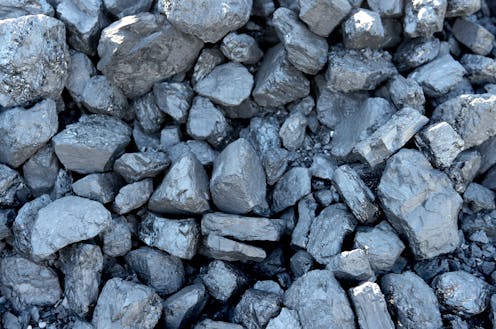
As the La Niña weather event wreaks havoc across New South Wales, coal operators are suffering. The Australian coal company Whitehaven is among them – last week slashing its production forecasts after disruption by floods and heavy rain.
The irony of a coal company being hit by extreme weather events was not lost on some. While it’s hard to know how climate change is influencing this La Niña, evidence suggests flood events will become more frequent and intense as the planet warms.
Climate variations cause problems for many industries, and coal is not immune. Wet coal is heavier to transport. And rain can disrupt both mine operations and the transport networks crucial to moving coal and mine workers.
All this comes as coal demand surges, and as pressure mounts for the industry to wind back production to help tackle climate change. So let’s look at what the industry faces in these turbulent times.
Rain on the coal parade
Australia is the world’s second-biggest thermal coal exporter, behind Indonesia. Our shipments mostly end up in Japan, India, Vietnam and South Korea.
Thermal coal is burnt to make electricity. Australia also produces metallurgical or “coking” coal used to make steel.
In recent years, extreme weather in Australia has exposed the coal industry’s vulnerability to climate risk.
Research shows the 2010/2011 Queensland floods affected about 40 of the state’s 50 coal mines, costing more than A$2 billion in lost production.
Australia is now experiencing more heavy rain thanks to a third consecutive La Niña. It led to floods in Queensland last year that forced the Baralaba North Coal Mine to suspend operations after water affected the mine and access roads. Workers were stood down without pay, prompting anger from the union.
In the NSW Hunter Valley, heavy rain in July this year forced closures to a rail network that connects about 40 coal mines to the Port of Newcastle. Coal export services were suspended and the disruption pushed up coal prices.
Heavy rain is likely to interrupt supply for the remainder of spring and into summer. Last week, Whitehaven said rain and local flooding were affecting production at two open-cut mines near Gunnedah in NSW. Roads were cut off as dams and rivers near the mine spilled over, forcing the company to transport staff to the mine by helicopter.
Rain can bring other problems. Wet coal can slip and spill from conveyor belts while being loaded onto ships. And wet coal is heavy, making it more expensive to transport.
Volatile times for coal
Australian coal exports remain strong. But the rain disruptions add to already unsettled times for coal, both here and abroad.
Demand for coal has increased in the past two years, for a number of reasons. First is the global economic rebound from the COVID pandemic. Second is soaring gas prices following Russia’s war on Ukraine.
Diesel supply issues and upcoming cuts to crude oil production are also driving coal demand.
As the Northern Hemisphere heads into winter, demand is likely to increase further. The United Kingdom, for example, plans to keep coal plants operating this winter, despite a longer-term plan to permanently close them by October 2024. And Asia may have to lean more towards coal for the next six months as liquified natural gas flows into Europe.
All this has pushed coal prices up. So rain-related disruptions to Australian coal exports may result in missed opportunities for our coal operators.
At the same time, the coal industry faces headwinds.
Shipping costs have reached new highs. For Australian exporters, China’s ban on Australian coal is an added complication – however this week’s meeting between the two nation’s leaders may have thawed diplomatic relations.
Then, of course, there’s climate change. Coal is the world’s largest source of energy-related carbon dioxide emissions. There’s widespread acknowledgement we must move away from burning coal and transition to renewable energy to avoid the worst climate harms.
Many countries still rely on coal for energy security and for use in industrial processes. Coal also supports jobs and provides export income.
In India, for example, the minister in charge of coal production says the fossil fuel will play an important role in the country until at least 2040. And a study released last month found hundreds of coal companies around the world were developing new mines and power stations.
So moving away from coal – particularly thermal coal – is likely to take time.
What does all this mean?
In the short term, as La Niña hangs around, Australia may struggle to fulfil its coal supply commitments over the Southern Hemisphere spring and summer.
This is likely to add further headaches to the already crunched energy market.
Wet conditions are not the only climate threat to the mining industry. Drought and heat, for example, reduce the availability of water needed to operate mines. And extreme heat can affect equipment, electricity supply and worker productivity.
In the longer term, the prospects for Australia’s coal exports are very uncertain. The Reserve Bank, for example, says coal and gas exports from Australia would at least halve if big buyers including China, Japan and South Korea meet their climate commitments.
There are many types of coal – and challenges abound in replacing them with cleaner alternatives. Until the transition is complete, coal is among many industries that must adapt to future weather extremes.
Authors: Lurion De Mello, Senior Lecturer in Finance, Macquarie University


















