
Drinking alcohol this Christmas and New Year? These medicines really don't mix
- Written by: Nial Wheate, Associate Professor of the Sydney Pharmacy School, University of Sydney

A glass or two of champagne with Christmas lunch. A cool crisp beer at the beach. Some cheeky cocktails with friends to see in the New Year. There seem to be so many occasions to unwind with an alcoholic drink this summer.
But if you’re taking certain medications while drinking alcohol, this can affect your body in a number of ways. Drinking alcohol with some medicines means they may not work so well. With others, you risk a life-threatening overdose.
Here’s what you need to know if you’re taking medication over summer and plan to drink.
Read more: Do different drinks make you different drunk?
Why is this a big deal?
After you take a medicine, it travels to the stomach. From there, your body shuttles it to the liver where the drug is metabolised and broken down before it goes into your blood stream. Every medicine you take is provided at a dose that takes into account the amount of metabolism that occurs in the liver.
When you drink alcohol, this is also broken down in the liver, and it can affect how much of the drug is metabolised.
Some medicines are metabolised more, which can mean not enough reaches your blood stream to be effective.
Some medicines are metabolised less. This means you get a much higher dose than intended, which could lead to an overdose. The effects of alcohol (such as sleepiness) can act in addition to similar effects of a medicine.
Whether or not you will have an interaction, and what interaction you have, depends on many factors. These include the medicine you are taking, the dose, how much alcohol you drink, your age, genes, sex and overall health.
Women, older people and people with liver issues are more likely to have a drug interaction with alcohol.
Which medicines don’t mix well with alcohol?
Many medicines interact with alcohol regardless of whether they are prescribed by your doctor or bought over the counter, such as herbal medicines.
1. Medicines + alcohol = drowsiness, coma, death
Drinking alcohol and taking a medicine that depresses the central nervous system to reduce arousal and stimulation can have additive effects. Together, these can make you extra drowsy, slow your breathing and heart rate and, in extreme cases, lead to coma and death. These effects are more likely if you use more than one of this type of medicine.
Medicines to look out for include those for depression, anxiety, schizophrenia, pain (except paracetamol), sleep disturbances (such as insomnia), allergies, and colds and flu. It’s best not to drink alcohol with these medicines, or to keep your alcohol intake to a minimum.
2. Medicines + alcohol = more effects
Mixing alcohol with some medicines increases the effect of those medicines.
One example is with the sleeping tablet zolpidem, which is not to be taken with alcohol. Rare, but serious, side effects are strange behaviour while asleep, such as sleep-eating, sleep-driving or sleep-walking, which are more likely with alcohol.
Read more: I can't sleep. What drugs can I (safely) take?
3. Medicines + craft beer or home brew = high blood pressure
Some types of medicines only interact with some types of alcohol.
Examples include some medicines for depression, such as phenelzine, tranylcypromine and moclobemide, the antibiotic linezolid, the Parkinson’s drug selegiline, and the cancer drug procarbazine.

These so-called monoamine oxidase inhibitors only interact with some types of boutique and artisan beers, beers with visible sediment, Belgian, Korean, European and African beers, and home-made beers and wine.
These types of alcohol contain high levels of tyramine, a naturally occurring substance usually broken down by your body that doesn’t ordinarily cause any harm.
However, monoamine oxidase inhibitors prevent your body from breaking down tyramine. This increases levels in your body and can cause your blood pressure to rise to dangerous levels.
4. Medicines + alcohol = effects even after you stop drinking
Other medicines interact because they affect the way your body breaks down alcohol.
If you drink alcohol while using such medicines you may you feel nauseous, vomit, become flushed in the face and neck, feel breathless or dizzy, your heart may beat faster than usual, or your blood pressure may drop.
This can occur even after you stop treatment, then drink alcohol. For example, if you are taking metronidazole you should avoid alcohol both while using the medicine and for at least 24 hours after you stop taking it.
An example of where alcohol changes the amount of the medicine or related substances in the body is acitretin. This medication is used to treat skin conditions such as severe psoriasis and to prevent skin cancer in people who have had an organ transplant.
When you take acitretin, it changes into another substance – etretinate – before it is removed from your body. Alcohol increases the amount of etretinate in your body.
This is especially important as etretinate can cause birth defects. To prevent this, if you are a woman of child-bearing age you should avoid alcohol while using the medicine and for two months after you stop taking it.
Read more: Why we don't know what causes most birth defects
Myths about alcohol and medicines
Alcohol and birth control
One of the most common myths about medicines and alcohol is that you can’t drink while using the contraceptive pill.
It is generally safe to use alcohol with the pill as it doesn’t directly affect how well birth control works.
But the pill is most effective when taken at the same time each day. If you’re drinking heavily, you’re more likely to forget to do this the next day.
Alcohol can also make some people nauseous and vomit. If you vomit within three hours of taking the pill, it will not work. This increases your risk of pregnancy.
Contraceptive pills can also affect your response to alcohol as the hormones they contain can change the way your body removes alcohol. This means you can get drunk faster, and stay drunk for longer, than you normally would.
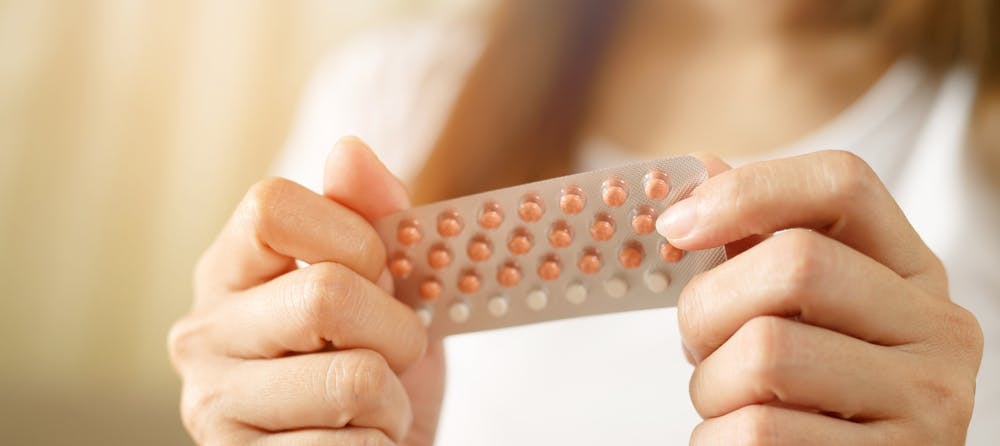 Yes you can drink while on the pill. But if you vomit within a few hours of taking it, the pill won’t work.
Shutterstock
Read more: Always forgetting to take your medicines? Here are 4 things that could help
Alcohol and antibiotics
Then there’s the myth about not mixing alcohol with any antibiotics. This only applies to metronidazole and linezolid.
Otherwise, it is generally safe to use alcohol with antibiotics, as alcohol does not affect how well they work.
But if you can, it is best to avoid alcohol while taking antibiotics. Antibiotics and alcohol have similar side effects, such as an upset stomach, dizziness and drowsiness. Using the two together means you are more likely to have these side effects. Alcohol can also reduce your energy and increase how long it takes for you to recover.
Read more: Monday's medical myth: you can't mix antibiotics with alcohol
Where can I go for advice?
If you plan on drinking alcohol these holidays and are concerned about any interaction with your medicines, don’t just stop taking your medicines.
Your pharmacist can advise you on whether it is safe for you to drink based on the medicines you are taking, and if not, provide advice on alternatives.
Read more: Don't let your pet accidentally get drunk this silly season (sorry Tiddles)
Authors: Nial Wheate, Associate Professor of the Sydney Pharmacy School, University of Sydney