

How autofiction turns the personal into the political
- Written by: Frances Egan, Lecturer in Global Studies, Monash University
It is timely that the 2022 Nobel Prize for Literature went to French writer Annie Ernaux.
Ernaux has spent decades writing about her personal experience, moulding aspects of her life into literature, and projecting them into public space. Her work is part of a broader trend in global literature – that of “autofiction”.
You may have read more autofiction than you imagine. Perhaps you have come across authors such as Karl Ove Knausgaard, Teju Cole, Ocean Vuong, Chris Kraus, Sheila Heti, Rachel Cusk and Deborah Levy. Less commonly talked about in the anglosphere are writers such as Fatima Daas, Yūko Tshushima and Shahriar Mandanipour.
Though autofiction has a broad and malleable definition, it may be understood as a work of literature that depicts real events from the author’s life, but takes liberties associated with fiction. In short, autofiction blends the autobiographical and the fictional.
Yet the genre is contentious. Some authors renounce the label, including Ernaux herself, who views her first-person “I” as a collective self. Some disagree that it is a genre at all. Instead, they view autofiction as a “mode” of writing – or as a “strategy” or “lens”. Some go so far as to argue that all works of literature necessarily stem from personal experience.
Read more: Annie Ernaux, French feminist who uses language as 'a knife', wins Nobel Prize for Literature
The origins of autofiction
Writers have long combined elements of the autobiographical and the fictional. Well known authors such as Colette, Marcel Proust and Jack Kerouac do this, but in works simply labelled “novels”.
Comparable traditions have emerged outside of modern Western literature. In Japanese literature, for example, the shishōsetsu or “I-novel” gained prominence in the early 20th century.

Though something like autofiction was practised avant la lettre, the term originated with the French novel Fils (a title that translates to both “Son” and “Threads”), published in 1977 by author, literary critic and academic Serge Doubrovsky.
At its most basic level, Doubrovsky defines autofiction as a literary work in which the author, narrator and protagonist share the same name. But this shared identity is not strictly “truthful”. Writers of autofiction trouble what is known as the autobiographical pact between the author and the reader: a commitment from the author of an autobiographical work to tell the true story of their real life.
Autofiction is usually explicit about its autobiographical dimension, but blurs the boundaries of truth and fiction in order to question our assumptions about what these terms mean. The genre is therefore experimental: it tends to explore the complexities and inconsistencies of subjectivity, rather than aim for a strictly factual representation of a life.
Read more: When the fabricated lives of French authors are just as gripping as the books they write
Centering gender and intimacy
In recent decades, autofiction has tended to focus on the self, so as to connect with wider groups or identities in society. It is uniquely placed to reveal how the personal can be political.
In the 1990s, continuing into the early 2000s, a wave of French women authors began using autofiction to write about intimate topics, often relating to gender, sexuality, and other experiences of the body, such as eating disorders and assault.
These works are largely applauded today for breaking taboos and discussing experiences that relate to a wide audience. Nina Bouraoui’s Garçon manqué / Tomboy (2000), for example, is about “Nina”, a protagonist who disrupts binaries between the masculine and the feminine, as well as between French and Algerian cultures. Christine Angot’s L'Inceste / Incest (1999) is a confessional tale portraying the trauma and complexity of the narrator’s sexual relationships.
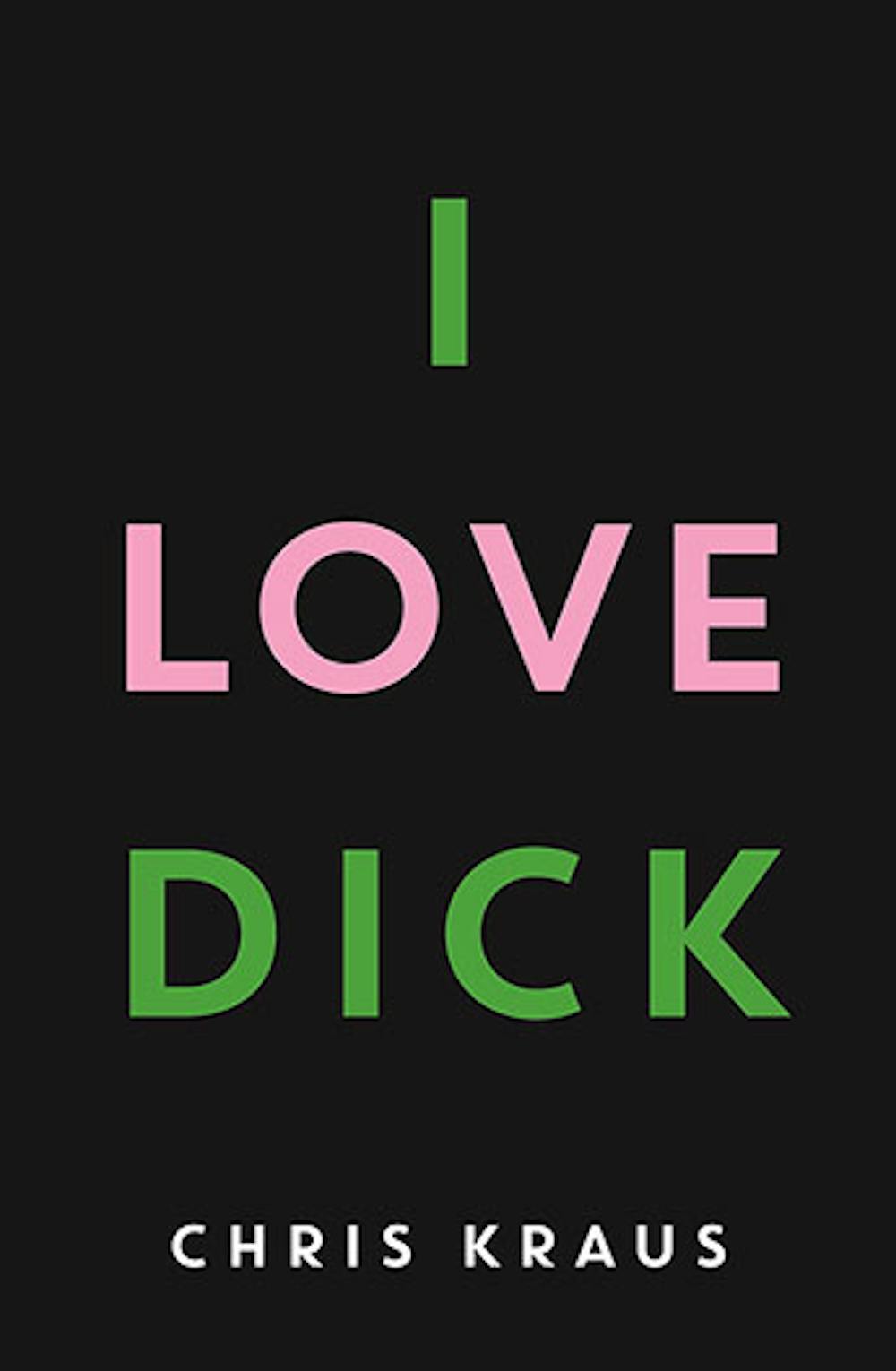 This tendency to focus heavily on the intimate and often uncategorisable aspects of women’s experiences also emerges in anglophone contexts. Chris Kraus’ cult novel I Love Dick (1997) offers a more playful depiction of unrestrained and abject female desire. In it, “Chris Kraus, 39, experimental filmmaker”, obsessively pursues an academic named Dick. Her riotous philosophical letters to Dick question what society considers to be acceptable means of expressing desire and sexuality.
These confessional or testimonial practices from women have been frequently criticised as “navel-gazing” or “egocentric”. Critics, including Doubrovsky himself, have argued that the authors are perverting the autofictional form through an intense focus on “unliterary” topics. Such criticisms are levelled at certain authors of autofiction even when they are innovative in their writing style. It may be argued that such criticisms emerge because authors disturb the status quo.
Autofiction can allow us to enter another person’s inner life and encounter an outlook other than our own. In a discussion on her series of “living autobiographies”, British novelist Deborah Levy has argued that writing about personal experience as a woman is itself a political act. Influenced by authors such as Virginia Woolf and Simone de Beauvoir, Levy’s writing centres “a thinking female mind moving through the world”.
This tendency to focus heavily on the intimate and often uncategorisable aspects of women’s experiences also emerges in anglophone contexts. Chris Kraus’ cult novel I Love Dick (1997) offers a more playful depiction of unrestrained and abject female desire. In it, “Chris Kraus, 39, experimental filmmaker”, obsessively pursues an academic named Dick. Her riotous philosophical letters to Dick question what society considers to be acceptable means of expressing desire and sexuality.
These confessional or testimonial practices from women have been frequently criticised as “navel-gazing” or “egocentric”. Critics, including Doubrovsky himself, have argued that the authors are perverting the autofictional form through an intense focus on “unliterary” topics. Such criticisms are levelled at certain authors of autofiction even when they are innovative in their writing style. It may be argued that such criticisms emerge because authors disturb the status quo.
Autofiction can allow us to enter another person’s inner life and encounter an outlook other than our own. In a discussion on her series of “living autobiographies”, British novelist Deborah Levy has argued that writing about personal experience as a woman is itself a political act. Influenced by authors such as Virginia Woolf and Simone de Beauvoir, Levy’s writing centres “a thinking female mind moving through the world”.
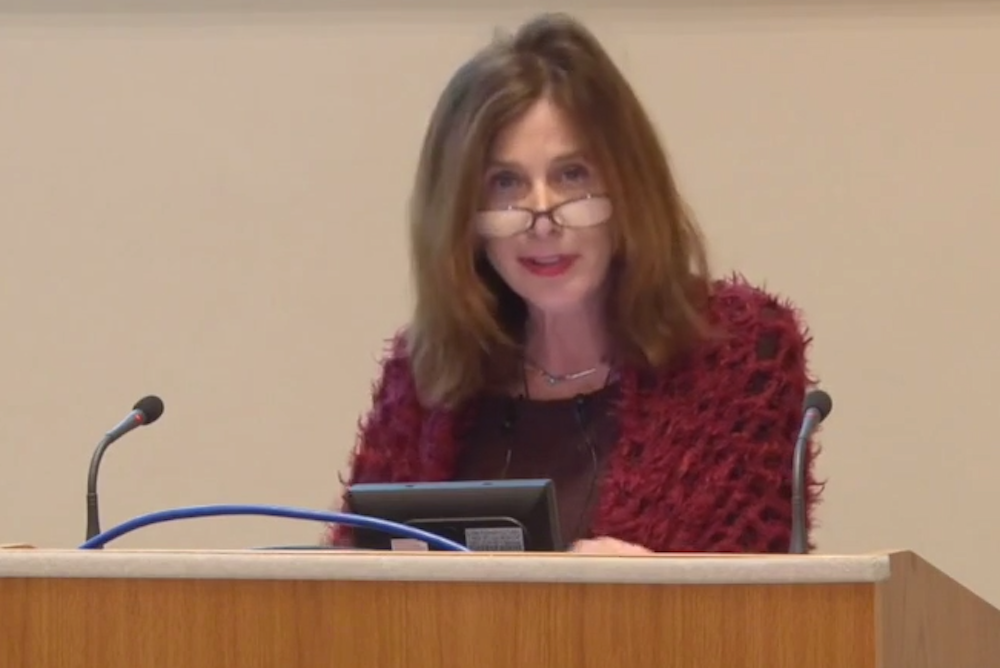 Chris Kraus, Royal College of Art, March 2015.
Wikimedia Commons.
From the self to a collective
Though books about women’s lives are often viewed as writing only for women, they also offer perspectives on the world at large. Issues of class, race and gender are personal, but they are rarely confined to just one person’s individual experience. Autofiction can thus be a way to reflect on broader social structures.
Ernaux, for example, refuses the autofiction label precisely because she seeks to shift the focus away from the self and toward the collective. Though her work portrays what she views as the truths of her personal experience, she does not consider her “I” to be a singular identity, but rather a “transpersonal form”: she explains that writing “is a way of grasping, within (her) experience, the signs of a family, social or passionate reality”.
One example is her book L'Événement / Happening (2001), which has recently been adapted into a film by Audrey Diwan.
It tells the story of Ernaux’s illegal abortion in the early 1960s and the difficulties in accessing abortion services during this period. Her experience highlights an important aspect of France’s history, one shared by many women of Ernaux’s generation.
It also resonates globally and remains a relevant topic today. Abortion is legal in Australia, but Happening is a potent reminder of the dangerous consequences that can emerge from current legal hurdles and unequal access to abortion services across the country.
Chris Kraus, Royal College of Art, March 2015.
Wikimedia Commons.
From the self to a collective
Though books about women’s lives are often viewed as writing only for women, they also offer perspectives on the world at large. Issues of class, race and gender are personal, but they are rarely confined to just one person’s individual experience. Autofiction can thus be a way to reflect on broader social structures.
Ernaux, for example, refuses the autofiction label precisely because she seeks to shift the focus away from the self and toward the collective. Though her work portrays what she views as the truths of her personal experience, she does not consider her “I” to be a singular identity, but rather a “transpersonal form”: she explains that writing “is a way of grasping, within (her) experience, the signs of a family, social or passionate reality”.
One example is her book L'Événement / Happening (2001), which has recently been adapted into a film by Audrey Diwan.
It tells the story of Ernaux’s illegal abortion in the early 1960s and the difficulties in accessing abortion services during this period. Her experience highlights an important aspect of France’s history, one shared by many women of Ernaux’s generation.
It also resonates globally and remains a relevant topic today. Abortion is legal in Australia, but Happening is a potent reminder of the dangerous consequences that can emerge from current legal hurdles and unequal access to abortion services across the country.
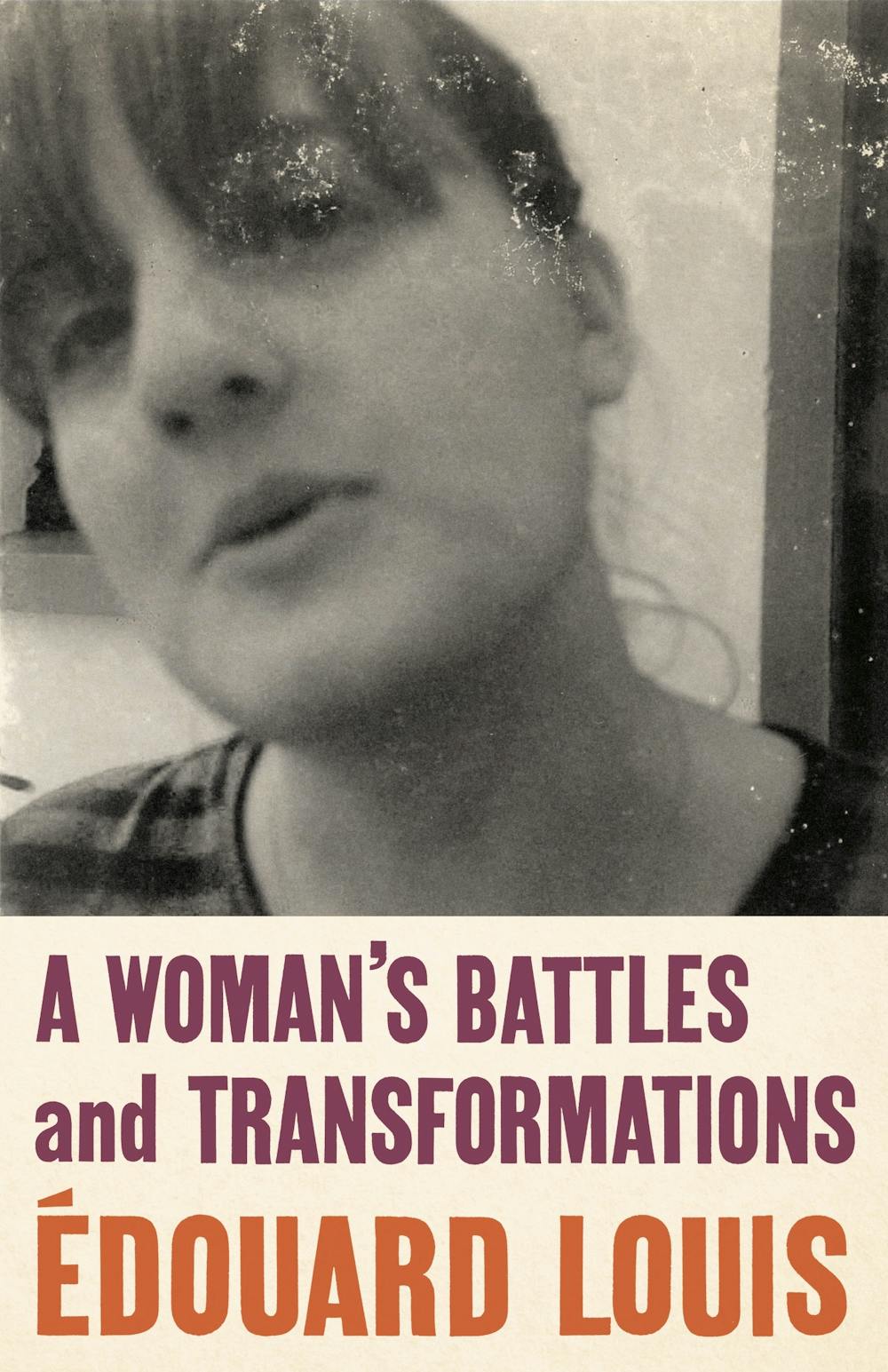 A recent literary sensation, Édouard Louis, writes about the tension between queer identity and his working class origins in his debut novel En finir avec Eddy Bellegueule / The End of Eddy (2014). In his novel Combats et métamorphoses d'une femme / A Woman’s Battles and Transformations (2021), he shifts the focus onto his mother’s life because, as he explains, literature is often not produced by, and therefore does not speak to, those who exist on the margins of society – including the working class and women suffering from domestic abuse.
Ernaux and Louis are class defectors – individuals who have shifted social status. Having moved from their working class origins to international acclaim, they now occupy a privileged position. This position allows their political ideas to move beyond the page and be influential in the public sphere at large. For both authors, social mobility affords them a degree of visibility and audibility, which they have used to expose the intersections of class and gender.
They are both influenced by sociologists and philosophers such as Pierre Bourdieu, Michel Foucault and Didier Eribon. But, rather than remain confined to the world of books, they are active in public political discourse. From a progressive position, Ernaux and Louis have spoken in favour of working-class movements, such as the yellow vests. Ernaux is also a fervent ally of the global #MeToo movement. Recently, both authors participated in an October 16 demonstration in favour of economic justice and climate action.
A recent literary sensation, Édouard Louis, writes about the tension between queer identity and his working class origins in his debut novel En finir avec Eddy Bellegueule / The End of Eddy (2014). In his novel Combats et métamorphoses d'une femme / A Woman’s Battles and Transformations (2021), he shifts the focus onto his mother’s life because, as he explains, literature is often not produced by, and therefore does not speak to, those who exist on the margins of society – including the working class and women suffering from domestic abuse.
Ernaux and Louis are class defectors – individuals who have shifted social status. Having moved from their working class origins to international acclaim, they now occupy a privileged position. This position allows their political ideas to move beyond the page and be influential in the public sphere at large. For both authors, social mobility affords them a degree of visibility and audibility, which they have used to expose the intersections of class and gender.
They are both influenced by sociologists and philosophers such as Pierre Bourdieu, Michel Foucault and Didier Eribon. But, rather than remain confined to the world of books, they are active in public political discourse. From a progressive position, Ernaux and Louis have spoken in favour of working-class movements, such as the yellow vests. Ernaux is also a fervent ally of the global #MeToo movement. Recently, both authors participated in an October 16 demonstration in favour of economic justice and climate action.
 Nobel laureate Annie Ernaux and her publisher Antoine Gallimard, October 2022.
Michel Euler/AP
Read more:
The End of Eddy – and why writing about life can be a dangerous game
Disrupting identity categories
Writing from lived experience has legitimacy, and generally for good reason. #OwnVoices, for example, is a movement “prioritizing authors who share marginalised identities with their protagonists”. It emerged to counter harmful mainstream representations. Yet problems arise when reductive understandings of identity frame the public expectations and reception of an author.
Nobel laureate Annie Ernaux and her publisher Antoine Gallimard, October 2022.
Michel Euler/AP
Read more:
The End of Eddy – and why writing about life can be a dangerous game
Disrupting identity categories
Writing from lived experience has legitimacy, and generally for good reason. #OwnVoices, for example, is a movement “prioritizing authors who share marginalised identities with their protagonists”. It emerged to counter harmful mainstream representations. Yet problems arise when reductive understandings of identity frame the public expectations and reception of an author.
 The media coverage of French-Algerian writer Fatima Daas’ debut novel, La Petite Dernière / The Last One (2020), is a case in point. In this work of autofiction, the author and narrator share the same name, migrant background, sexual identity and religious beliefs. But the name “Fatima Daas” is a pseudonym. The novel builds a plural – and at first glance contradictory – identity through lyrical vignettes.
Troubling the autobiographical pact is a way for Daas to anticipate and refuse the “authentic” identity readers may expect her to perform. Even so, the author has described an overwhelming focus on her own identity as a Muslim and lesbian. She has been pushed by interviewers to explain how she reconciles her sexuality and her faith.
This response from the press pigeonholes Daas. Commentators are attempting to define the author through the very stereotypes her work challenges. They make The Last One about one woman’s experience, instead of a literary work that speaks to universal themes such as love, home, belonging and faith.
Western literary standards have historically positioned a European male authorial voice as normal or neutral. Authors who deviate from this, as Daas does, can be confined to the autobiographical and fetishised as case studies in a particular experience.
The media coverage of French-Algerian writer Fatima Daas’ debut novel, La Petite Dernière / The Last One (2020), is a case in point. In this work of autofiction, the author and narrator share the same name, migrant background, sexual identity and religious beliefs. But the name “Fatima Daas” is a pseudonym. The novel builds a plural – and at first glance contradictory – identity through lyrical vignettes.
Troubling the autobiographical pact is a way for Daas to anticipate and refuse the “authentic” identity readers may expect her to perform. Even so, the author has described an overwhelming focus on her own identity as a Muslim and lesbian. She has been pushed by interviewers to explain how she reconciles her sexuality and her faith.
This response from the press pigeonholes Daas. Commentators are attempting to define the author through the very stereotypes her work challenges. They make The Last One about one woman’s experience, instead of a literary work that speaks to universal themes such as love, home, belonging and faith.
Western literary standards have historically positioned a European male authorial voice as normal or neutral. Authors who deviate from this, as Daas does, can be confined to the autobiographical and fetishised as case studies in a particular experience.
 blank.
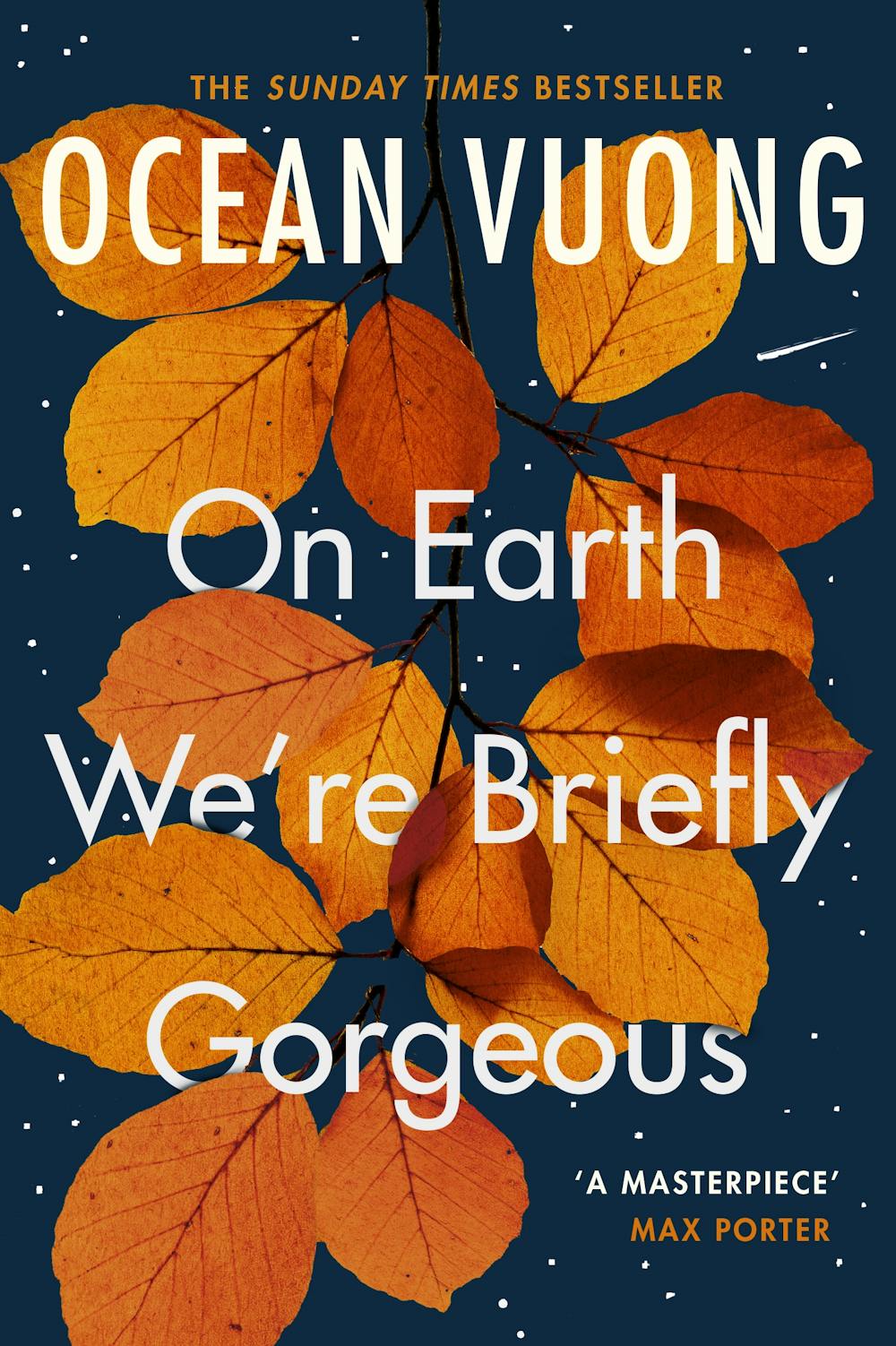
As a charged label itself “autofiction” is not neutral, nor inherently freeing. The approach to writing, however contentious, nonetheless enables some authors to gradually shift the norms that seek to contain them. Vietnamese-American poet Ocean Vuong is a good example. Vuong describes writing his debut novel, On Earth We’re Briefly Gorgeous (2019), to both attract and refuse an autobiographical reading. He wanted to give depth to real lives neglected by the mainstream and retain his freedom and agency as an artist.
On Earth We’re Briefly Gorgeous is made up of a series of intimate and poetic letters from “Little Dog” to his mother Rose. The work is labelled a “novel” and the letters are evidently fiction. Even so, the reader can readily discern similarities between Vuong and his first-person narrator: they both have immigrant parents, are Vietnamese-American, gay, and grew up in Connecticut.
Vuong writes from his own lived experience to disrupt stereotypes of American masculinity, queerness and immigrant families. He also invites readers to question the stories we tell about ourselves: what do we reveal or omit? Which languages do we use? To whom and for whom do we speak?
Autofiction thrives in fluidity, queerness, and multiplicity. Experimenting with writing about the “self” can enable authors to disavow the notion of a single authentic identity. More diverse narrating “I"s can reinvent dominant modes of writing, and alter what mainstream society considers to be a universal experience.
As genre or mode of writing, autofiction is difficult to pin down, but this is its merit – it adds depth to our understanding of the relationship between self and society. Humans are complicated, and so is autofiction. By placing themselves at the centre of a literary work, authors can explore the many facets of experience and offer nuanced and subjective "truths”.
Authors: Frances Egan, Lecturer in Global Studies, Monash University
blank.
As a charged label itself “autofiction” is not neutral, nor inherently freeing. The approach to writing, however contentious, nonetheless enables some authors to gradually shift the norms that seek to contain them. Vietnamese-American poet Ocean Vuong is a good example. Vuong describes writing his debut novel, On Earth We’re Briefly Gorgeous (2019), to both attract and refuse an autobiographical reading. He wanted to give depth to real lives neglected by the mainstream and retain his freedom and agency as an artist.
On Earth We’re Briefly Gorgeous is made up of a series of intimate and poetic letters from “Little Dog” to his mother Rose. The work is labelled a “novel” and the letters are evidently fiction. Even so, the reader can readily discern similarities between Vuong and his first-person narrator: they both have immigrant parents, are Vietnamese-American, gay, and grew up in Connecticut.
Vuong writes from his own lived experience to disrupt stereotypes of American masculinity, queerness and immigrant families. He also invites readers to question the stories we tell about ourselves: what do we reveal or omit? Which languages do we use? To whom and for whom do we speak?
Autofiction thrives in fluidity, queerness, and multiplicity. Experimenting with writing about the “self” can enable authors to disavow the notion of a single authentic identity. More diverse narrating “I"s can reinvent dominant modes of writing, and alter what mainstream society considers to be a universal experience.
As genre or mode of writing, autofiction is difficult to pin down, but this is its merit – it adds depth to our understanding of the relationship between self and society. Humans are complicated, and so is autofiction. By placing themselves at the centre of a literary work, authors can explore the many facets of experience and offer nuanced and subjective "truths”.
Authors: Frances Egan, Lecturer in Global Studies, Monash UniversityRead more https://theconversation.com/how-autofiction-turns-the-personal-into-the-political-192180


















