

romance writer Susan Meachen's fake death reminds us 'the author' is a construct
- Written by: Ika Willis, Associate Professor in English Literatures, University of Wollongong
2023 may have peaked early for those of us who are fascinated by online literary controversies and fakes: Cat Person, Bad Art Friend, #ReceptioGate.
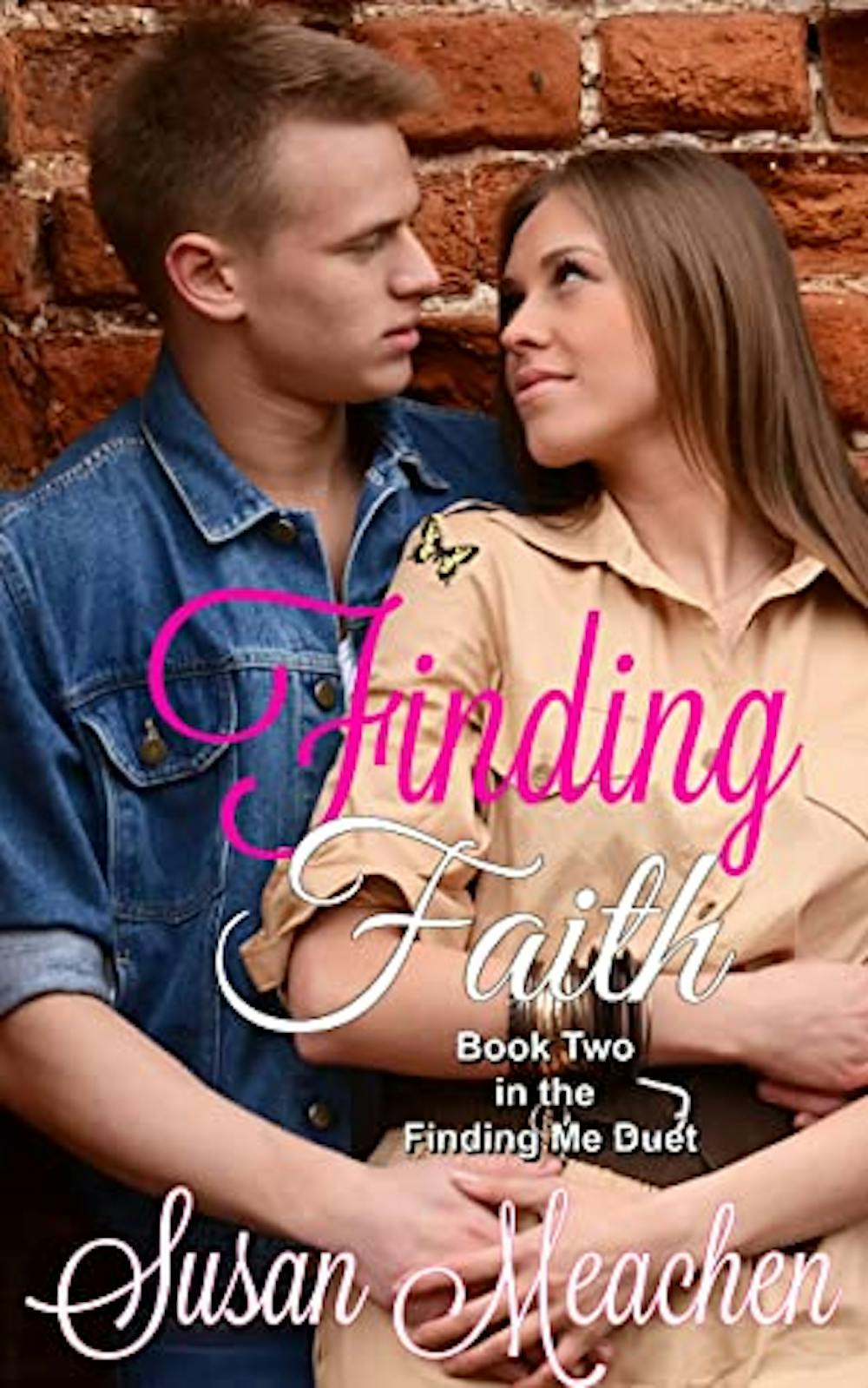
 Back in 2020, when someone announced on Facebook that Meachen had died by suicide as a result of online bullying, the indie romance community responded by dedicating an anthology of stories to her: The Bully King Anthology, a collection of romance stories with a bullying theme (originally produced in response to a different bullying scandal). The proceeds of the anthology go to an anti-bullying charity; its dedication to Meachen transformed the fictional stories into a real-life gift to her.
Although not everyone who reads indie romances – or hears about Meachen’s story – is woven into the community’s interpersonal networks, digital media has transformed the author-reader relationship Booth and Barthes examined in the last days of print. (More recent work, like that of Simone Murray, explores the new post-print dynamics at play in Meachen’s story.)
We consume authors’ written words both in the form of fictional stories and in the form of blogs, tweets and Facebook posts that seem to offer a more personal connection to the real-life author, passing easily back and forth across the boundary between text and world, book and life.
Meachen’s story shows how easy this boundary is to cross, but it also shows, in how easy it was to stage her death and in the very real hurt and anger caused by her fake death, that the boundary still exists.
“We were only Facebook friends,” Samantha Cole told NBC News. “We had never met in person. It’s very common in the book world.” A spokesman for the medical examiner’s office in Polk County, Tennessee, where Meachen lives, told NBC it had “no record of anybody by that name being reported dead going back to 2020”.
More plot twists
An author Q&A with Upstream Reviews this week only further complicated matters. Meachen apparently said “a Fiction Author’s job is to create New Realities which is what I did”, and that “the end of my life was a work of fiction” which “transcend[ed] the pages of a book”. But after the interview was published, “people close to her on social media” cast doubt on the identity of the person who answered Upstream’s questions. Meachen herself then denied it was her, too.
It’s a story that keeps on churning out plot twists and layers of real, implied, and performed identity.
For all the complexities and fuzziness, there’s a difference between the relationship we have with an author and the one we have with a friend. Reading fiction involves, as poet and philosopher Samuel Taylor Coleridge put it, a willing – that is, consensual - suspension of disbelief: plot twists, fake-outs, and reversals are part of a game that we’ve consented to play with the author.
When the twists, turns, and returns from the dead “transcend the pages of the book”, they’re not part of the game of fiction any more. They’re real - and so are their consequences.
Authors: Ika Willis, Associate Professor in English Literatures, University of Wollongong
Back in 2020, when someone announced on Facebook that Meachen had died by suicide as a result of online bullying, the indie romance community responded by dedicating an anthology of stories to her: The Bully King Anthology, a collection of romance stories with a bullying theme (originally produced in response to a different bullying scandal). The proceeds of the anthology go to an anti-bullying charity; its dedication to Meachen transformed the fictional stories into a real-life gift to her.
Although not everyone who reads indie romances – or hears about Meachen’s story – is woven into the community’s interpersonal networks, digital media has transformed the author-reader relationship Booth and Barthes examined in the last days of print. (More recent work, like that of Simone Murray, explores the new post-print dynamics at play in Meachen’s story.)
We consume authors’ written words both in the form of fictional stories and in the form of blogs, tweets and Facebook posts that seem to offer a more personal connection to the real-life author, passing easily back and forth across the boundary between text and world, book and life.
Meachen’s story shows how easy this boundary is to cross, but it also shows, in how easy it was to stage her death and in the very real hurt and anger caused by her fake death, that the boundary still exists.
“We were only Facebook friends,” Samantha Cole told NBC News. “We had never met in person. It’s very common in the book world.” A spokesman for the medical examiner’s office in Polk County, Tennessee, where Meachen lives, told NBC it had “no record of anybody by that name being reported dead going back to 2020”.
More plot twists
An author Q&A with Upstream Reviews this week only further complicated matters. Meachen apparently said “a Fiction Author’s job is to create New Realities which is what I did”, and that “the end of my life was a work of fiction” which “transcend[ed] the pages of a book”. But after the interview was published, “people close to her on social media” cast doubt on the identity of the person who answered Upstream’s questions. Meachen herself then denied it was her, too.
It’s a story that keeps on churning out plot twists and layers of real, implied, and performed identity.
For all the complexities and fuzziness, there’s a difference between the relationship we have with an author and the one we have with a friend. Reading fiction involves, as poet and philosopher Samuel Taylor Coleridge put it, a willing – that is, consensual - suspension of disbelief: plot twists, fake-outs, and reversals are part of a game that we’ve consented to play with the author.
When the twists, turns, and returns from the dead “transcend the pages of the book”, they’re not part of the game of fiction any more. They’re real - and so are their consequences.
Authors: Ika Willis, Associate Professor in English Literatures, University of Wollongong 

















