

Exploding carp numbers are 'like a house of horrors' for our rivers. Is it time to unleash carp herpes?
- Written by: Ivor Stuart, Fisheries ecologist, Charles Sturt University
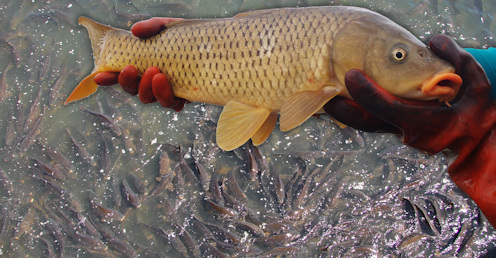
With widespread La Niña flooding in the Murray-Darling Basin, common carp (Cyprinus carpio) populations are having a boom year. Videos of writhing masses of both adult and young fish illustrate that all is not well in our rivers. Carp now account for up to 90% of live fish mass in some rivers.
Concerned communities are wondering whether it is, at last, time for Australia to unleash the carp herpes virus to control populations – but the conversation among scientists, conservationists, communities and government bodies is only just beginning.
Globally, the carp virus has been detected in more than 30 countries but never in Australia. There are valid concerns to any future Australian release, including cleaning up dead carp, and potential significant reductions of water quality and native fish.
As river scientists and native fish lovers, let’s weigh the benefits of releasing the virus against the risks, set within a context of a greater vision of river recovery.
Read more: Pest plants and animals cost Australia around $25 billion a year – and it will get worse
A house of horrors for rivers
Carp are a pest in Australia. They cause dramatic ecological damage both here and in many countries. Carp were first introduced in the 1800s but it was only with “the Boolarra strain” that populations exploded in the basin in the early 1970s.
Assisted by flooding in the 1970s, carp have since invaded 92% of all rivers and wetlands in their present geographic range. There have been estimates of up to 357 million fish during flood conditions. This year, this estimate may even be exceeded.
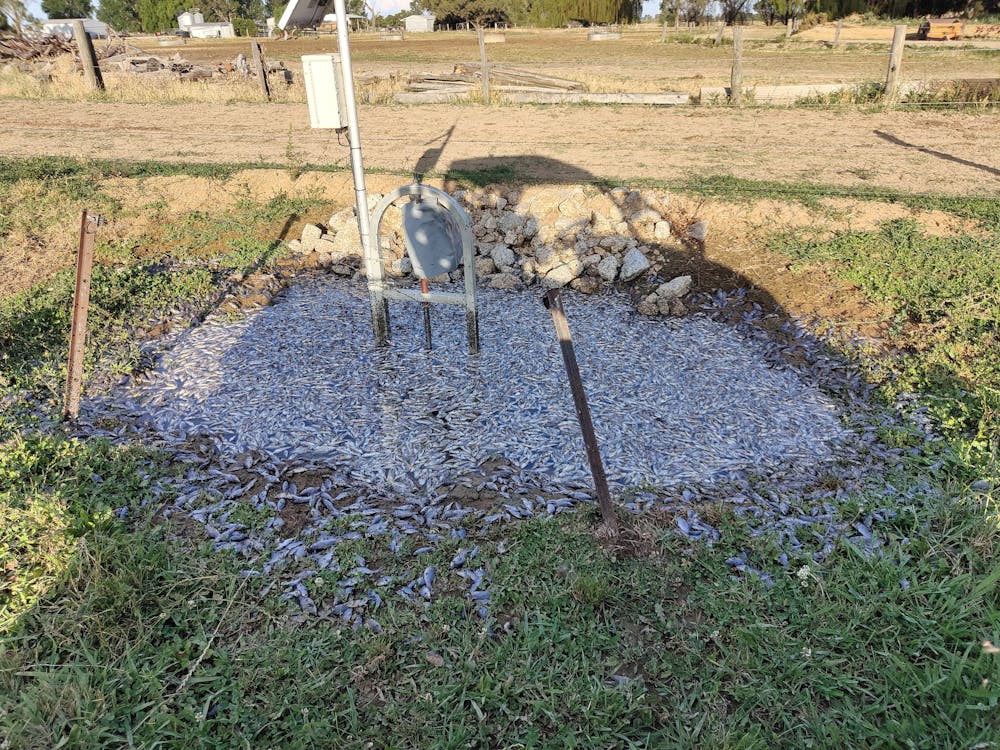
Carp are super-abundant right now because floods give them access to floodplain habitats. There, each large female can spawn millions of eggs and young have high survival rates. While numbers will decline as the floods subside, the number of juveniles presently entering back into rivers will be stupendous and may last years.
The impacts of carp are like a house of horrors for our rivers. They cause massive degradation of aquatic plants, riverbanks and riverbeds when they feed. They alter the habitat critical for small native fish, such as southern pygmy perch. And they can make the bed of many rivers look like the surface of golf balls – denuded and dimpled, devoid of any habitat.
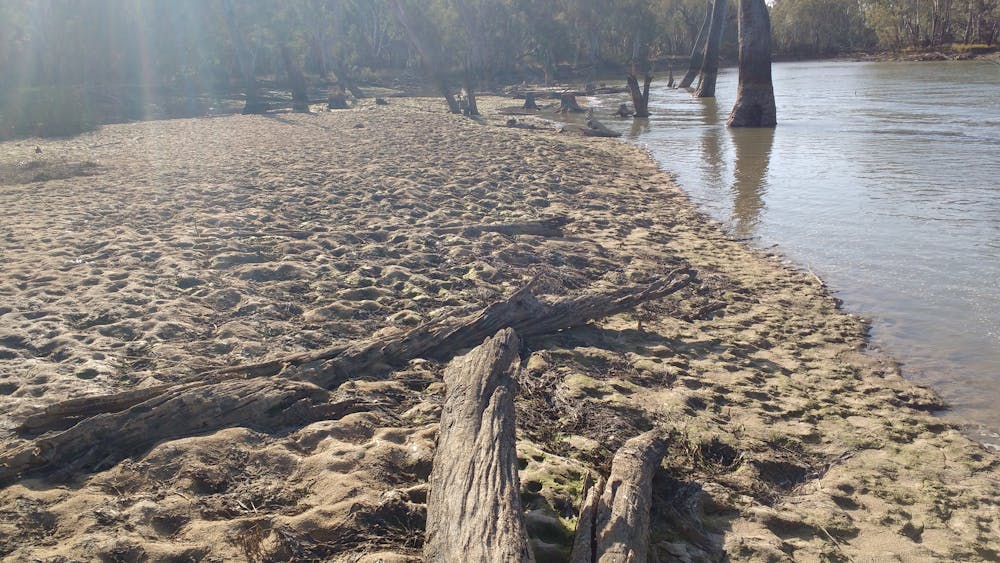 Adult carp usually search for food at the bottom of rivers, stirring up sediment and creating dimples on the riverbed.
Ivor Stuart, Author provided
Adult carp usually search for food at the bottom of rivers, stirring up sediment and creating dimples on the riverbed.
Ivor Stuart, Author provided
Read more: Before and after: see how bushfire and rain turned the Macquarie perch's home to sludge
Most strikingly, this feeding behaviour contributes to turbid rivers, reducing sunlight penetration and productivity for native plants, fish and broader aquatic communities.
Carp truly are formidable “ecosystem engineers”, which means they directly modify their environment, much like rabbits. Their design leads to aquatic destruction of waterways.
We know when their “impact threshold” exceeds 88 kilograms per hectare of adult carp, we see declines in aquatic plant health, water quality, native fish numbers and other aquatic values. At present, we expect carp to far exceed this impact threshold. For river managers, the challenge is to keep numbers below that level.
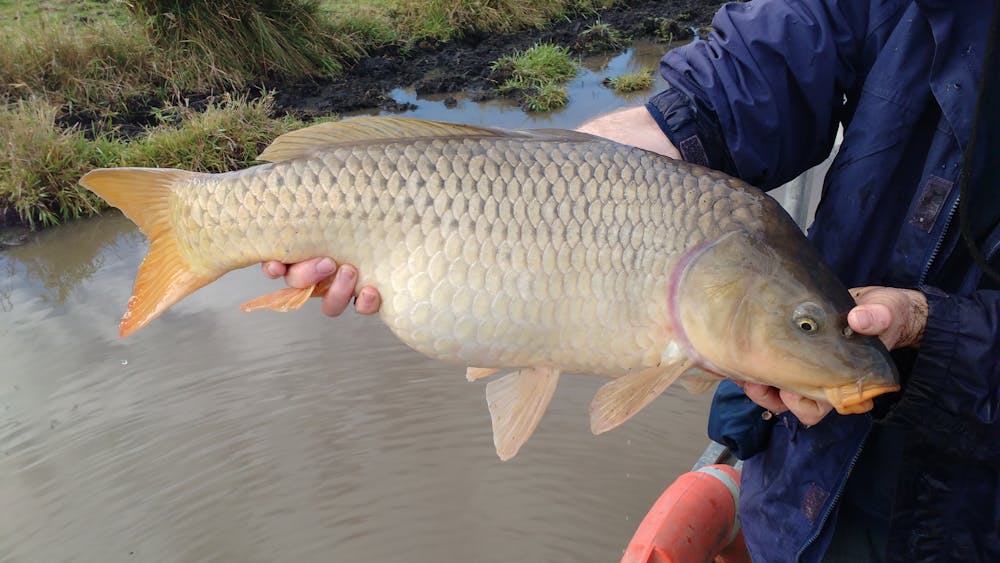 Carp alter the habitat critical for small native fish.
Ivor Stuart, Author provided
Carp alter the habitat critical for small native fish.
Ivor Stuart, Author provided
The carp herpes virus
The carp virus (Cyprinid herpesvirus 3) represents one of the only landscape-scale carp control options, although there are some exciting genetic modification technologies also emerging.
Mathematical modelling suggests the carp virus could cause a 40-60% knockdown for at least ten years, which may help tip the balance in favour of native fish. Certainly, there have been some well documented virus outbreaks in the United States resulting in large-scale carp deaths.
The risks and benefits of a potential Australian release of a carp virus are transparently addressed under the federal government’s National Carp Control Plan, released last year. This plan provides some sorely needed leadership in the carp management space.
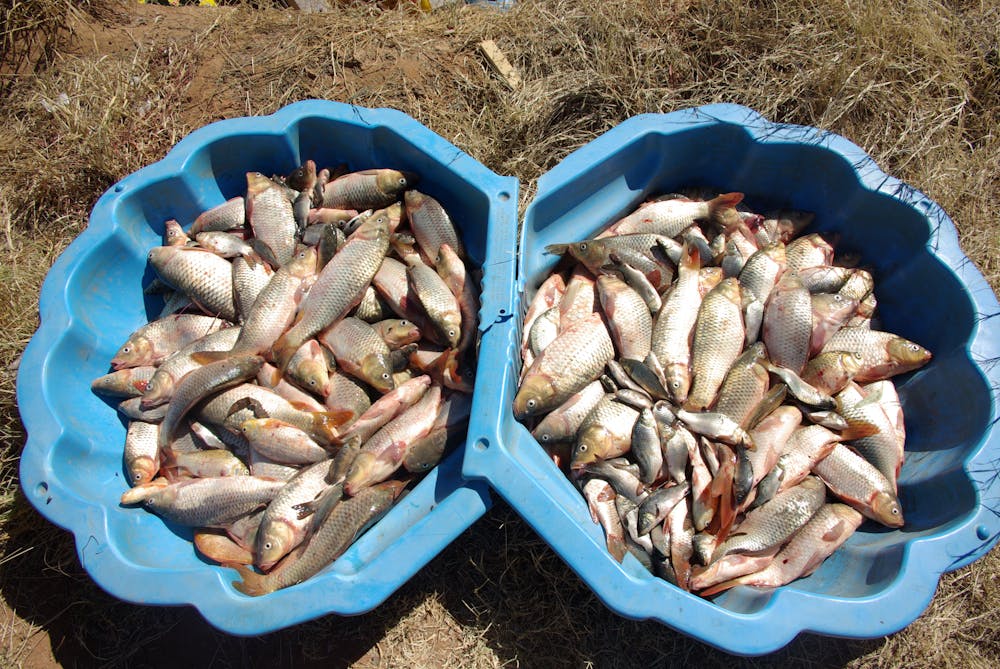 Carp account for up to 90% of live fish mass in some rivers.
Katie Doyle, Author provided
Carp account for up to 90% of live fish mass in some rivers.
Katie Doyle, Author provided
Risks the plan identifies include:
- major logistic challenges in cleaning up dead carp
- potentially serious short-term deterioration in water quality
- potential native fish deaths due to poor water quality.
On the other hand, the benefits of releasing the virus include:
- recovery of aquatic biodiversity populations – fish, plants and invertebrates
- major long-term improvements to water quality
- improved social amenity of inland waterways.
As carp continue to destroy Australia’s riverine heritage, it’s time to lay our cards on the table and have a serious conversation about the carp virus. Managing expectations is a key and the confidence of stakeholders and the community is vital for its success.
Like rabbits and other vertebrate pests, carp are emblematic of our inability to deal with entrenched pest animals. There are no silver bullets.
Read more: Australia's smallest fish among 22 at risk of extinction within two decades
How else can we manage carp?
Rolling out the carp virus is only one potential pathway away from carp. If we truly want to reduce carp numbers and impacts in the long-term then we need to examine all the roles humans play supporting them.
For example, the series of weir pools in the lower Murray create perfect conditions for carp because they give fish access to floodplains year round.
Strategically lowering and removing weir pools to re-create flowing water habitats would be one solution to help Murray cod and other flowing water specialists, such as silver perch, river snails and Murray crays. This is one of many integrated actions that could help tip the balance against carp.
Also, floodplain structures (which create artificial “floods”) generate static, warm-bathtub conditions that carp, being from Central Asia, prefer, contributing to huge numbers especially in dry years. Few medium or large native fish benefit from these conditions.
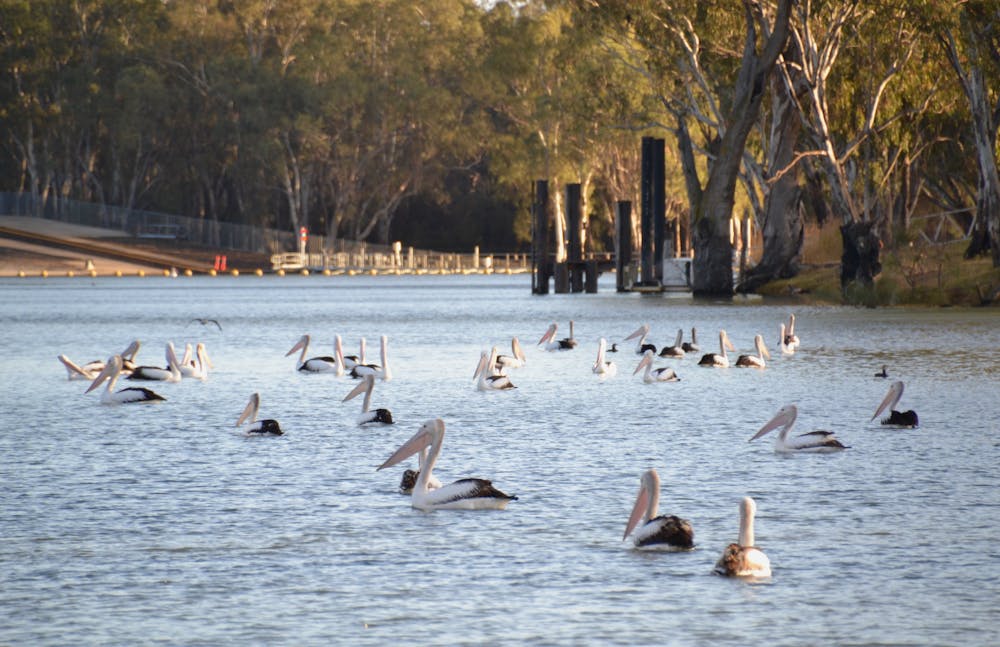 Some native animals such as pelicans would be dining on carp in this population boom.
Shutterstock
Some native animals such as pelicans would be dining on carp in this population boom.
Shutterstock
Another pathway is to seek guidance from increasingly sophisticated environmental modelling, which can identify optimal population trajectories for native fish over carp.
Now the floods have returned, we need to move away from local decisions at the site-scale and instead manage ecosystems across the entire Murray-Darling Basin.
The present flooding also reminds us of the huge potential increases in the numbers of golden perch, frogs, yabbies and water birds. Animals that eat carp (Murray cod, golden perch, pelicans, cormorants) should all be as fat as can be.
Read more: Floods can be a disaster for humans – but for nature, it's boom time
Looking beyond carp
Just like the huge numbers of dead native fish from the Darling River fish kills in 2018-2019, the huge numbers of carp is a big wake-up call on the poor state of rivers in the Murray-Darling Basin and how we’re managing them.
Perhaps what has been missing from the whole conversation is a vision for what our rivers should look like in ten or 20 years time. We don’t want to leave a legacy of degraded rivers for future Australians.
River health is an issue all Australian’s, country and city, need to engage with. If we don’t identify a common purpose, then we will likely continue to remain in lock-step with the great armies of carp and rivers of fish kills for generations to come. We need to do better than this. The future of our rivers depends on it.
Authors: Ivor Stuart, Fisheries ecologist, Charles Sturt University


















