

Interim housing isn't just a roof and four walls. Good design is key to getting people out of homelessness
- Written by: Anahita Sal Moslehian, Postdoctoral Research Fellow, HOME Research Centre, Deakin University
State governments across the country have plans to increase social and affordable housing to address ballooning waitlists.
While necessary, this won’t be enough to clear the backlog of people waiting for public housing.
It also takes time to make more affordable long-term housing options available. So what can be done in the meantime?
Our research shows a new way of providing interim housing to support people transitioning out of homelessness.
Short-term solutions in high demand
Studies have stressed the importance of meeting people’s immediate needs for secure and affordable homes, even in the short term.
It’s fallen to community housing providers to look at ways to provide immediate shelter.
Two providers in Victoria launched the Independent Living Units Program to address this gap.
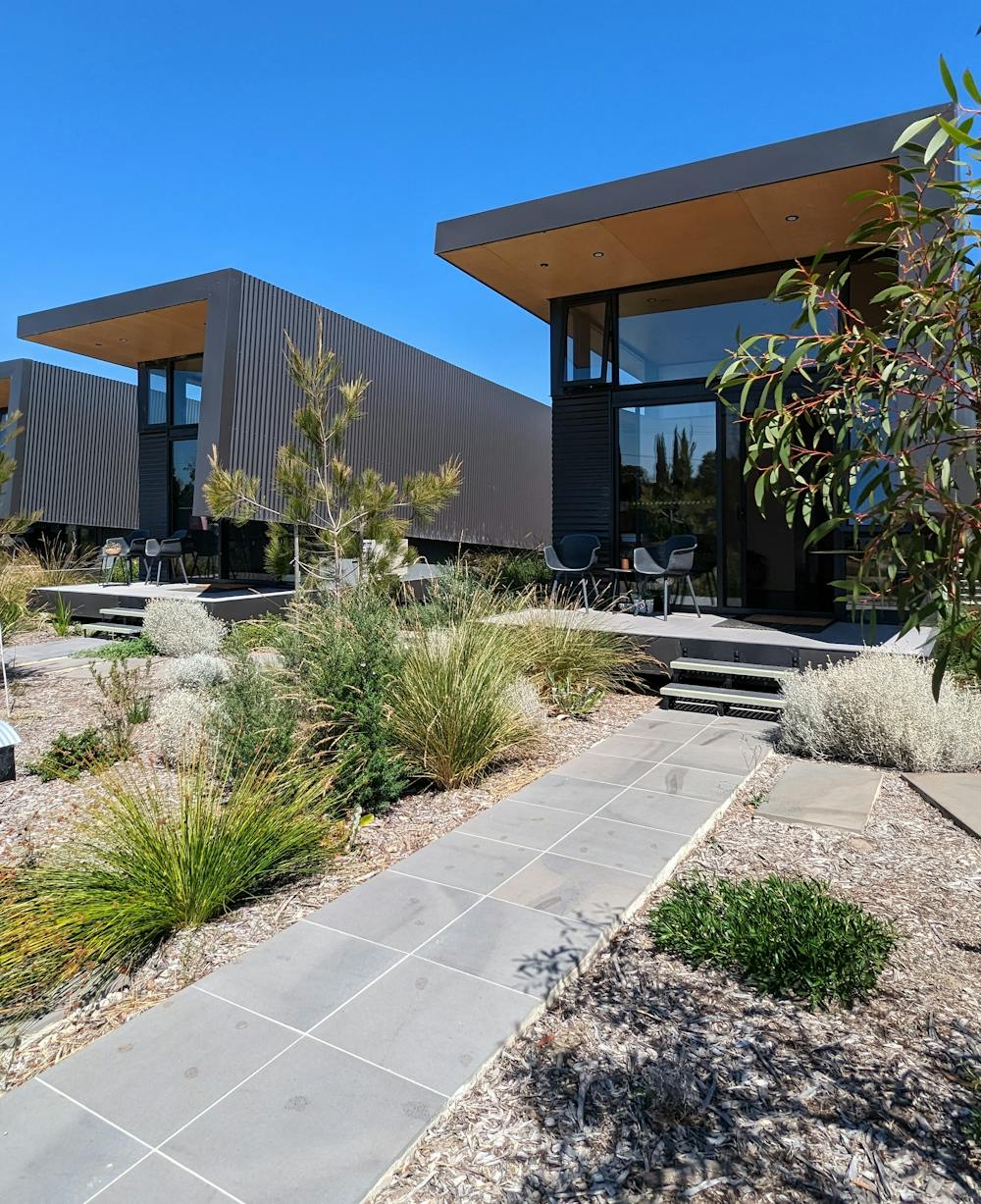
The prefabricated units, or “tiny homes”, are homely, stylish, energy-efficient and compact.
Designed to house men experiencing homelessness, they’re a temporary home for six months to get people out of crisis accommodation while they try to break into the private housing market.
Importantly, the residents are also provided with individual case managers and tailored support services on site to help them transition from homelessness.
It’s a careful balance of two different housing approaches you may have heard of: housing first and treatment first.
Housing first prioritises stable and permanent housing over all else.
Treatment first integrates housing with support services, prioritising addressing underlying issues such as mental health disorders. This often means people must be able to demonstrate a period of treatment compliance before they’re allowed to live independently.
These two approaches haven’t worked perfectly alone. This program sought to put the best of both of them together.
Built environment key to success
Early in the project, testimonials were promising, so we were brought on board to evaluate it academically.
Our research analysed the experiences of people who’d lived in the units. It also looked at the goals of the program, the demand for it and viability of funding.
Perhaps unsurprisingly, our analysis supported the importance of having supportive, forgiving environments for people escaping homelessness.
There’s already plenty of research supporting this idea.
We found, in practice, such an environment should support independent living and meaningful community connectedness.
Read more: Ageing in a housing crisis: growing numbers of older Australians are facing a bleak future
All this may sound obvious, but it’s not just about a roof and some support services. The key to achieving the environment people need is in the design of the housing itself.
In other words, the built environment helps create the social and emotional one.
The Independent Living Units Program demonstrates this idea in practice.
In particular, we identified 18 factors that were important, including appropriately sized self-contained units, planned activities, semi-open spaces and clustered unit arrangements.
Our research also shows how these factors need to function together to create a sense of home after homelessness, especially when such a place is temporary.
Residents told us there were many benefits beyond immediate relief of homelessness. These include:
reduced levels of anxiety
enhanced safety and security
stable and consistent daily routines and overall wellbeing
boosted self-confidence and self-reliance
a sense of worthiness and empowerment over their life
a burgeoning sense of community.
On a logistical level, the program brought together various stakeholders.
A housing association, local higher education and research institutions, a local manufacturer, state government departments, philanthropists and a charitable organisation were all involved.
Overall, our study found the program fills a gap in the current wide range of housing solutions.
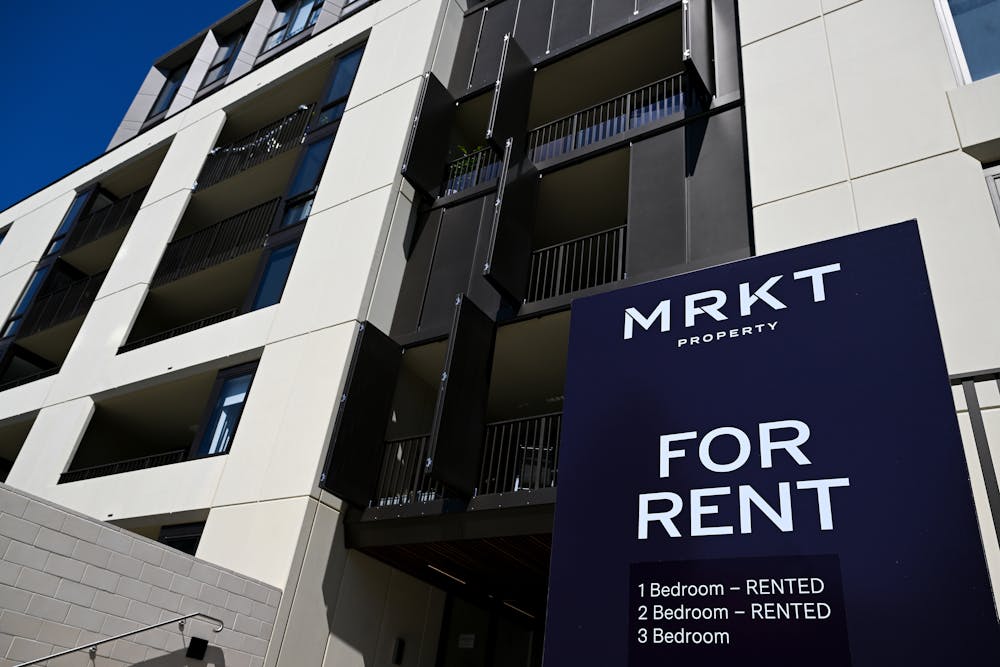 As private rental prices remain high, the need for innovative housing solutions grows.
Lukas Coch/AAP
As private rental prices remain high, the need for innovative housing solutions grows.
Lukas Coch/AAP
How would it work on a larger scale?
The Independent Living Units Program is a small initiative based in Geelong, but its unique approach could be replicated across the country.
For that to happen, however, there are some key challenges to navigate:
Funding would need to be flexible and ongoing.
Housing regulations in each area would need to be flexible and evidence-based.
Limited land availability means governments and communities would need to work together to make space for interim housing.
Service providers would need to be trained in trauma-informed care to best help people transitioning from homelessness. One way of doing this is by mandating it in policy.
The existing scarcity of affordable housing, coupled with low vacancy rates in rentals, makes it more likely residents end up homeless again after leaving interim programs.
Read more: 'It's soul-destroying': how people on a housing wait list of 175,000 describe their years of waiting
Our study also found perceived competition within the housing sector between transitional and permanent housing programs. This, too, would need to be addressed.
Even with those challenges, the Independent Living Units Program provides a much-needed stepping stone into permanent housing.
With the right support, it could form part of the solution to the complex housing crisis.
Authors: Anahita Sal Moslehian, Postdoctoral Research Fellow, HOME Research Centre, Deakin University


















