pharmacies are ripe for bigger disruption
- Written by: Peter Martin, Visiting Fellow, Crawford School of Public Policy, Australian National University
There’s something curious about the proposed merger between Chemist Warehouse and Sigma Healthcare.
Chemist Warehouse has about 550 retail pharmacies. Sigma has another 400.
Yet the law limits owners to just a handful of pharmacies per state. Queensland, New South Wales and Victoria allow just five, Western Australia and Tasmania allow four, and South Australia allows six.
The two families that control Chemist Warehouse initially enlisted spouses and cousins to run individual outlets. Once they ran out of relatives who were registered pharmacists and eligible to own pharmacies, they signed up franchisees using contracts that appear to give their head office a fair amount of control.
The Australian Competition and Consumer Commission describes its influence over its franchised stores as “likely particularly strong”.
Large conglomerates
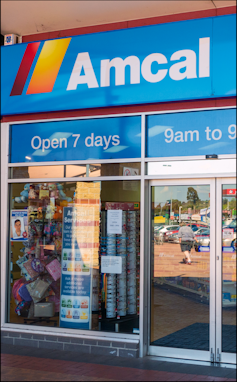
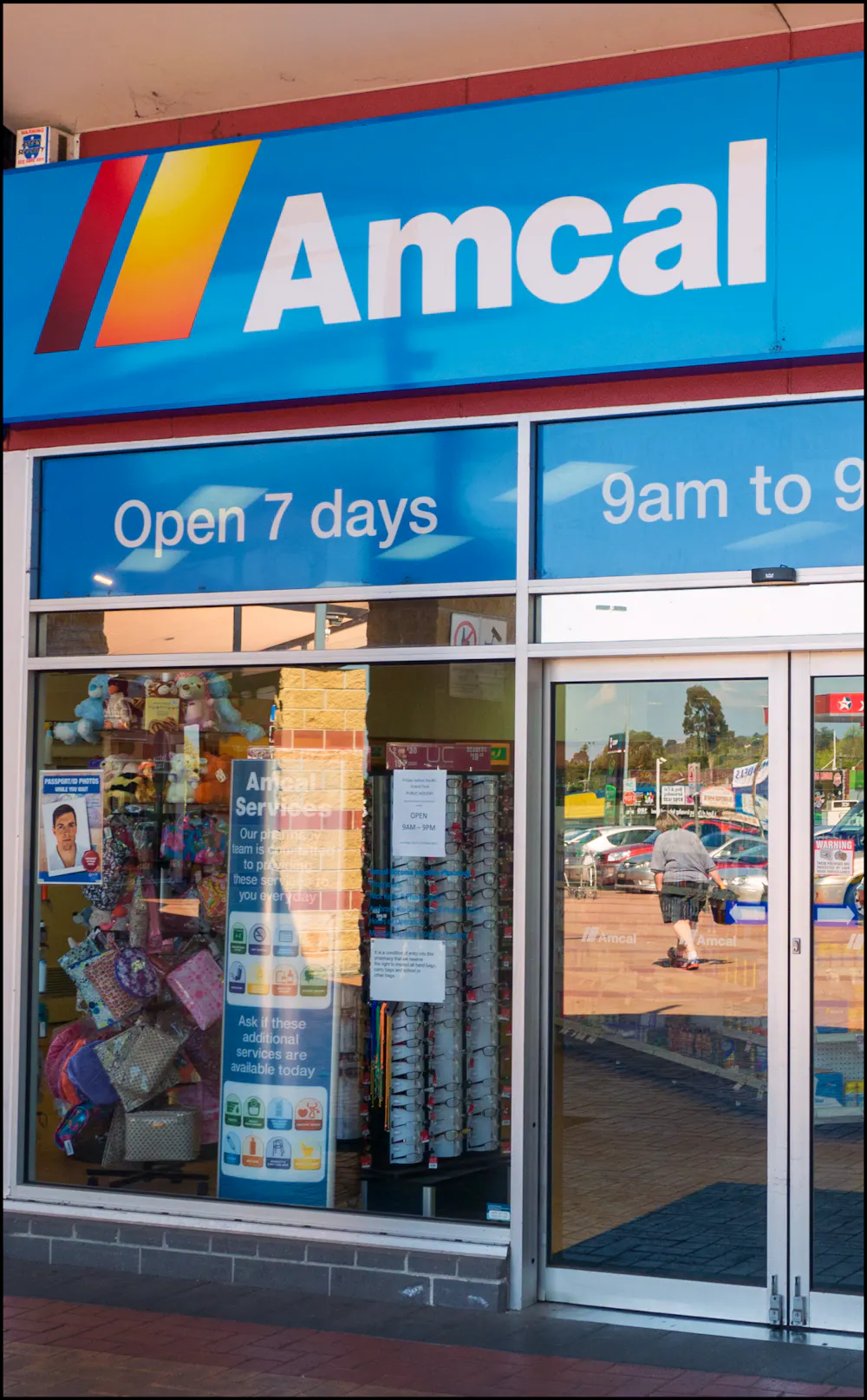
If you don’t see that many Chemist Warehouse stores as you walk around each day, and you see even fewer Sigma, that could be because of the different storefront names they use, such as MyChemist, Amcal, Discount Drug Store and PharmaSave.
Chemist Warehouse isn’t even Australia’s biggest pharmacy group. That’s EBOS, which runs brands including Terry White, healthSAVE, Cincotta Discount Chemist, Mega Save Chemist, Max Value Pharmacy, BetterBuy Pharmacy, MyMedical Pharmacy and Good Price Pharmacy Warehouse.
And true competition is even harder to find than the presence of these conglomerates suggests.
What matters for genuine competition is who owns the chemists nearby.
When an independent inquiry examined pharmacy remuneration and regulation in 2017 it found instance after instance of all of the pharmacies in a town being owned by the same group, even where the branding was different and they seemed to be competing.
In Alice Springs all four were owned by the same group; in Karratha both were; in Broome the proportion was three out of the four.
“We turned up to the first and said we were going to the next one afterwards,” the inquiry’s chair Stephen King said at the time. “They said: Why are you doing that? We own that one as well.”
‘Location rules’ keep out competition
Stores owned by a single owner are unlikely to compete on service, hours or price.
And bizarrely complicated location rules agreed to by the government and the Pharmacy Guild of Australia make it all but impossible for a new owner to come into a suburb or town and seriously compete.
It’d be taking a risk to summarise the rules (the handbook runs to 62 pages) but they broadly prevent a pharmacy that wants to fill prescriptions from setting up within 200 metres, 1.5 kilometres or 10 kilometres of an existing pharmacy, depending on whether it’s in a shopping centre, suburb or town.
If a competitor can’t come in and all the pharmacies in a particular location don’t compete, there’s little reason to expect them to discount. And most don’t, even though for the past eight years they have been able to.
Discounts rare
Back when King produced his report and the government paid pharmacies an average of A$11.50 per prescription, King’s team reckoned their actual average dispensing costs were lower, for some as low as $7 per prescription.
So the health minister Sussan Ley allowed pharmacies to discount, passing on some of the fat to their customers, but only up to $1 per prescription.
Chemist Warehouse pharmacies discounted by the full dollar. Few others did.
(In New Zealand, where unlimited discounts are allowed, and the legislated payment per patient was NZ$5, Chemist Warehouse discounted prescriptions by the full $5, offering customers prescriptions for free.)
The Pharmacy Guild was unhappy about the right to discount and lobbied the government to phase it out, something it did in this year’s May budget.
Ripe for an ‘Uber’ moment
The peculiar rules governing pharmacies ought to make them particularly profitable, except that they don’t, because pharmacies cost so much to buy. The benefit is baked into the price. King calls it the “taxi licence” phenomenon. The owners who sell get rich as a result of the rules, not the owners who buy.
Which gives new owners an even greater incentive to keep startups out.
Australia produces 1,400 pharmacy graduates a year. Many would like to own pharmacies and to offer discounts. Most will never get the chance. They are wage slaves, and they want the rules changed.
That’s how it was for years with taxis. The price of rides was high and the service was limited because of rules that choked competition. Until Uber.
All that needs to happen for pharmacies to face their own Uber moment is a change in the rules to allow unlimited discounting. The government could do it now if it wasn’t worried about a backlash from existing owners.
All it would take would be one registered pharmacy developing a really good interface with near-instant delivery.
Machines can dispense medicines
 Dispensing machine in the Netherlands.
OliverDelahaye/Shutterstock
A few years ago the Productivity Commission recommended the government move away from pharmacies as the vehicle for dispensing medicines and trial machines supervised by qualified staff.
They are ubiquitous in Canada. An Australian study found they work well within hospitals.
There would still be a role for pharmacists, but in primary health care, doing some of the work doctors now do.
The Australian Competition and Consumer Commission is wary about the proposed merger of Chemist Warehouse and Sigma Healthcare.
It says this is in part because they are also wholesalers and the combined group would have access to inside information on the pharmacists not in the group it supplied medicines to. It’ll decide by September.
Other decisions will matter more for service and prices. They concern discounting and location rules, and they’ll involve taking on existing owners.
Authors: Peter Martin, Visiting Fellow, Crawford School of Public Policy, Australian National University